BirthAid
Hippo Ad
Crack the Kiln
Say Hi
Dragon
Love
Docdocy
Bed frame

Home
Projects
Whistle
3D print Prototype
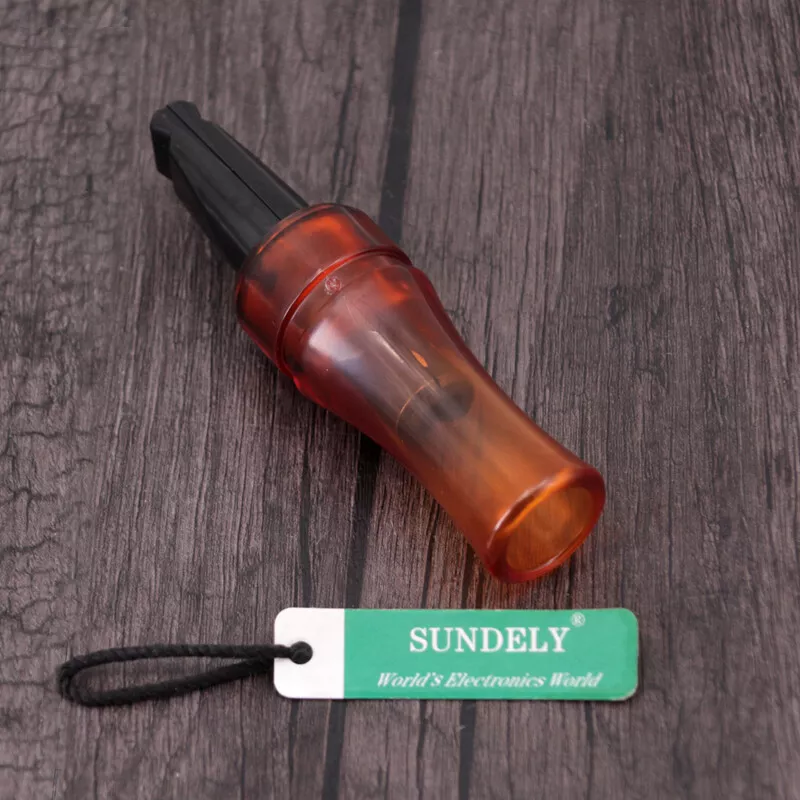
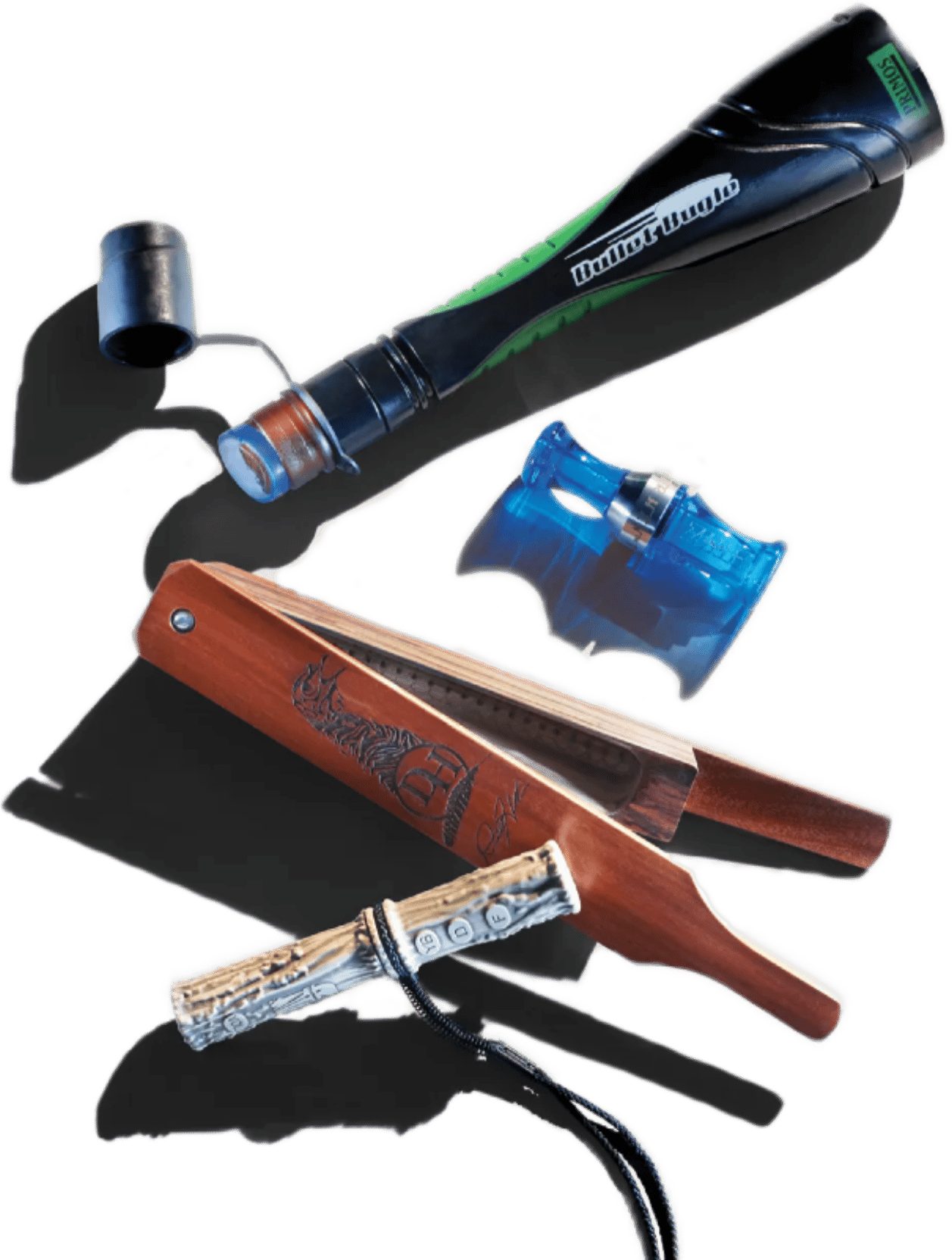
Duck Whistle (131 x 29mm) from Cebelas
People use three main methods
Wildlife Interaction Whistle - Smart Whistle
Fall 2024
22 x 8 x 9 cm
Material : Stainless steel, Rubber, and Plastic
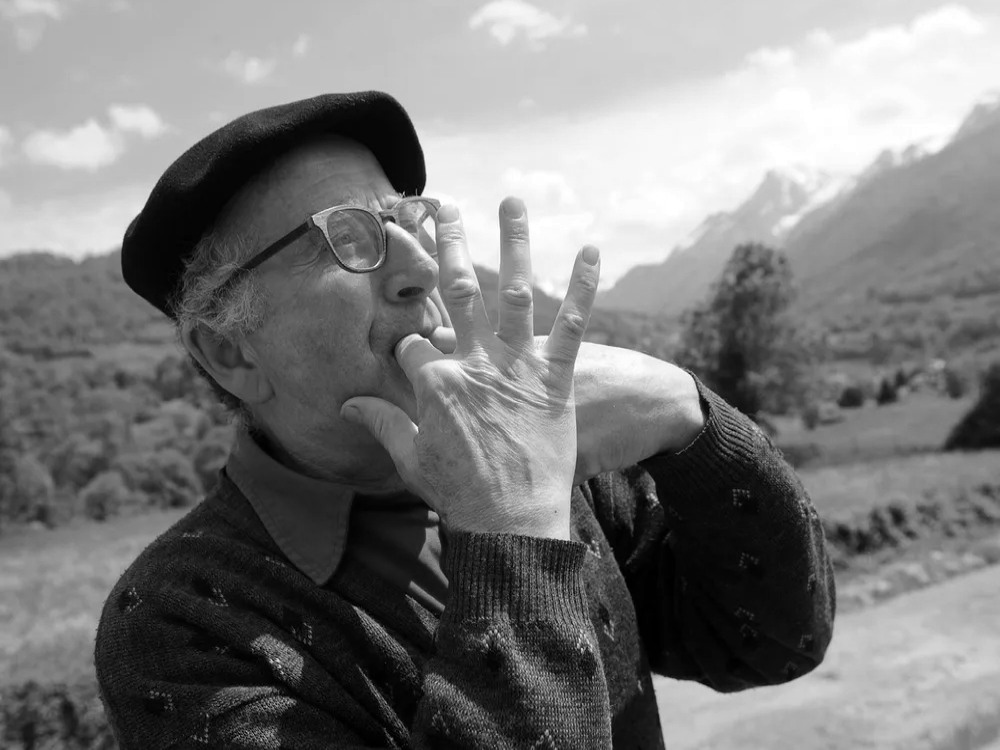
During a camping trip in Mount Rainier National Park, a friend used a whistle to attract birds by mimicking their calls. He also demonstrated how different hand techniques could amplify sound, useful for scaring away animals. This inspired the idea of a versatile whistle designed for both attracting and repelling wildlife.
My Role
Research of whistle, product design, physical computing (personal project)
Project description
Design a multifunctional whistle that allows users to attract or repel wildlife effectively by altering sound frequencies and releasing scents. Ideal for outdoor enthusiasts, photographers, and hikers seeking safe and versatile wildlife interactions.
Inspiration
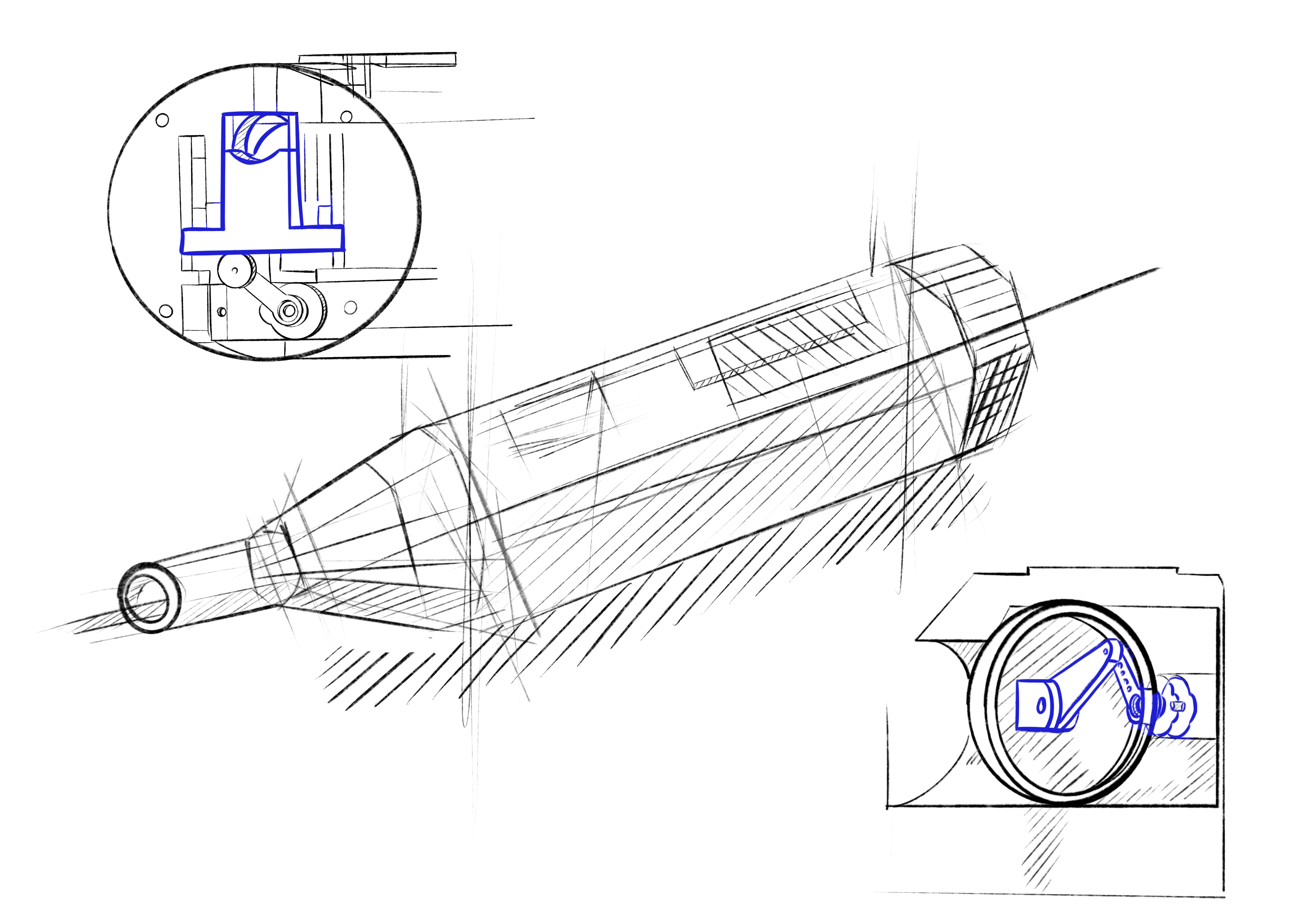
Structure Ideation
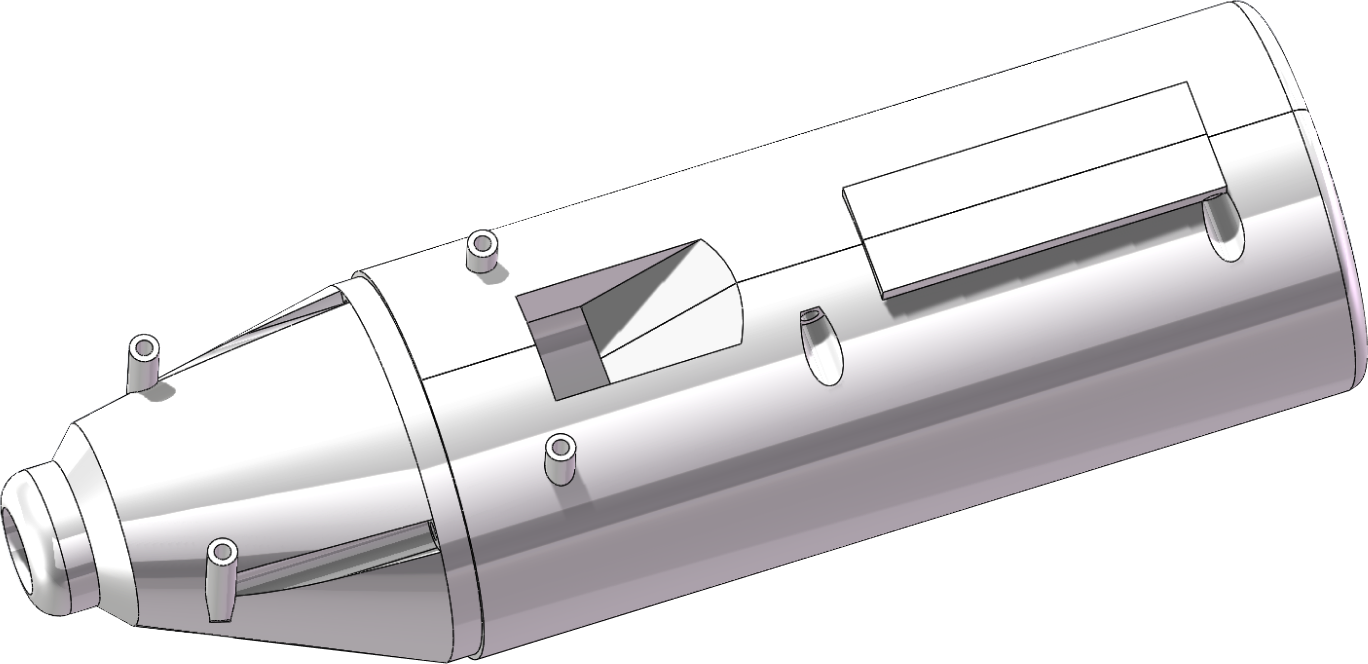
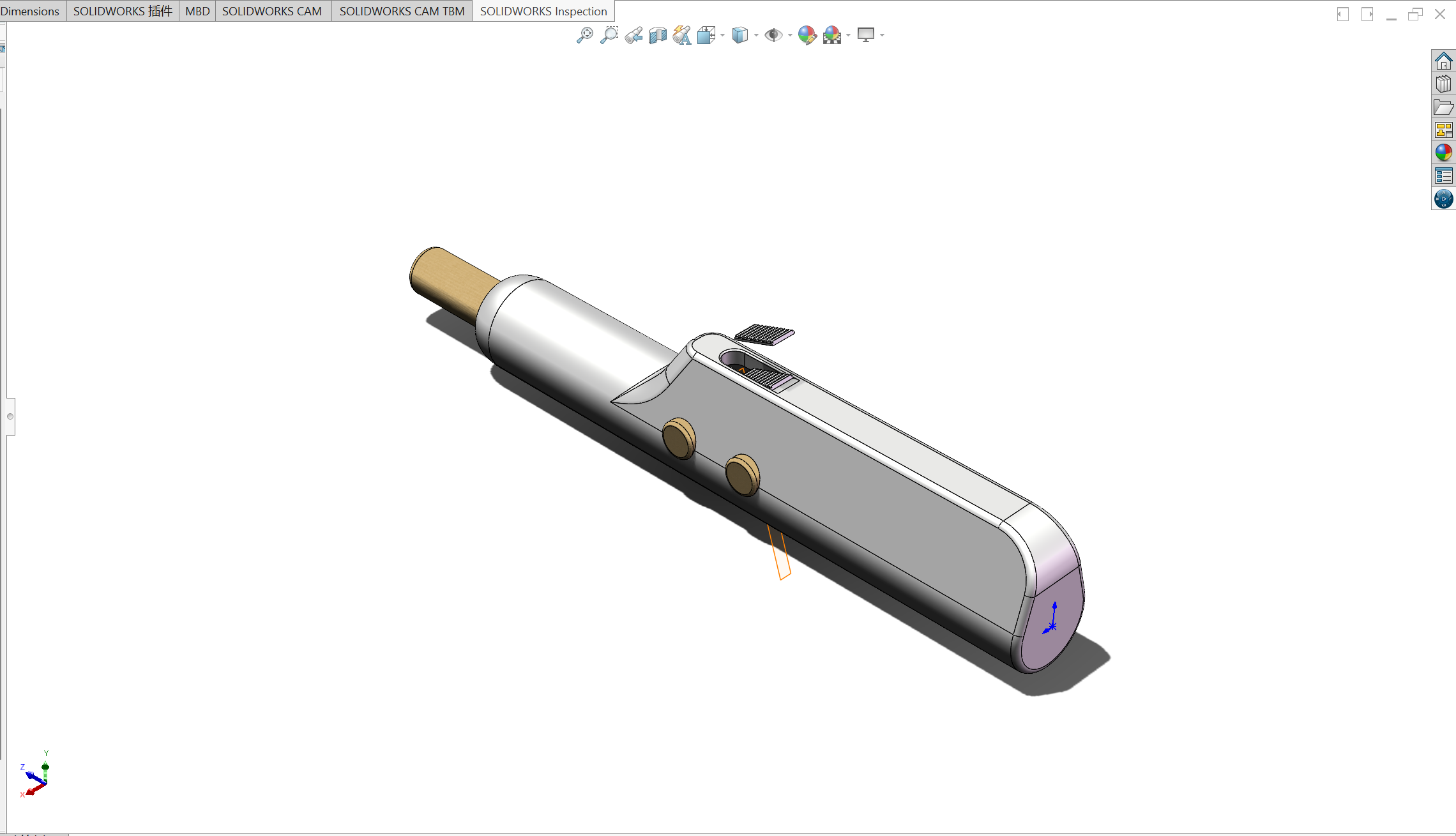
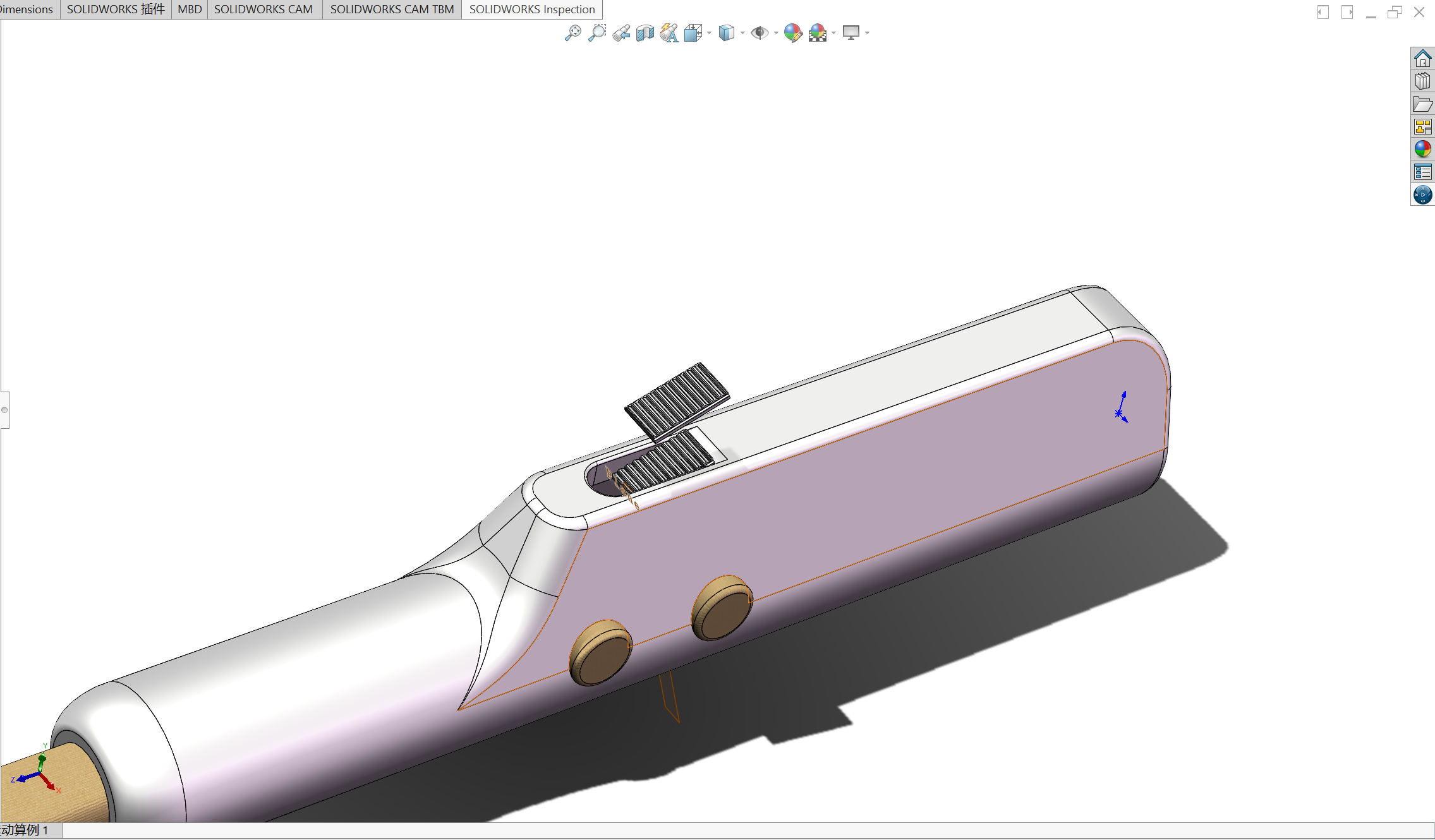
Solidwork Prototype


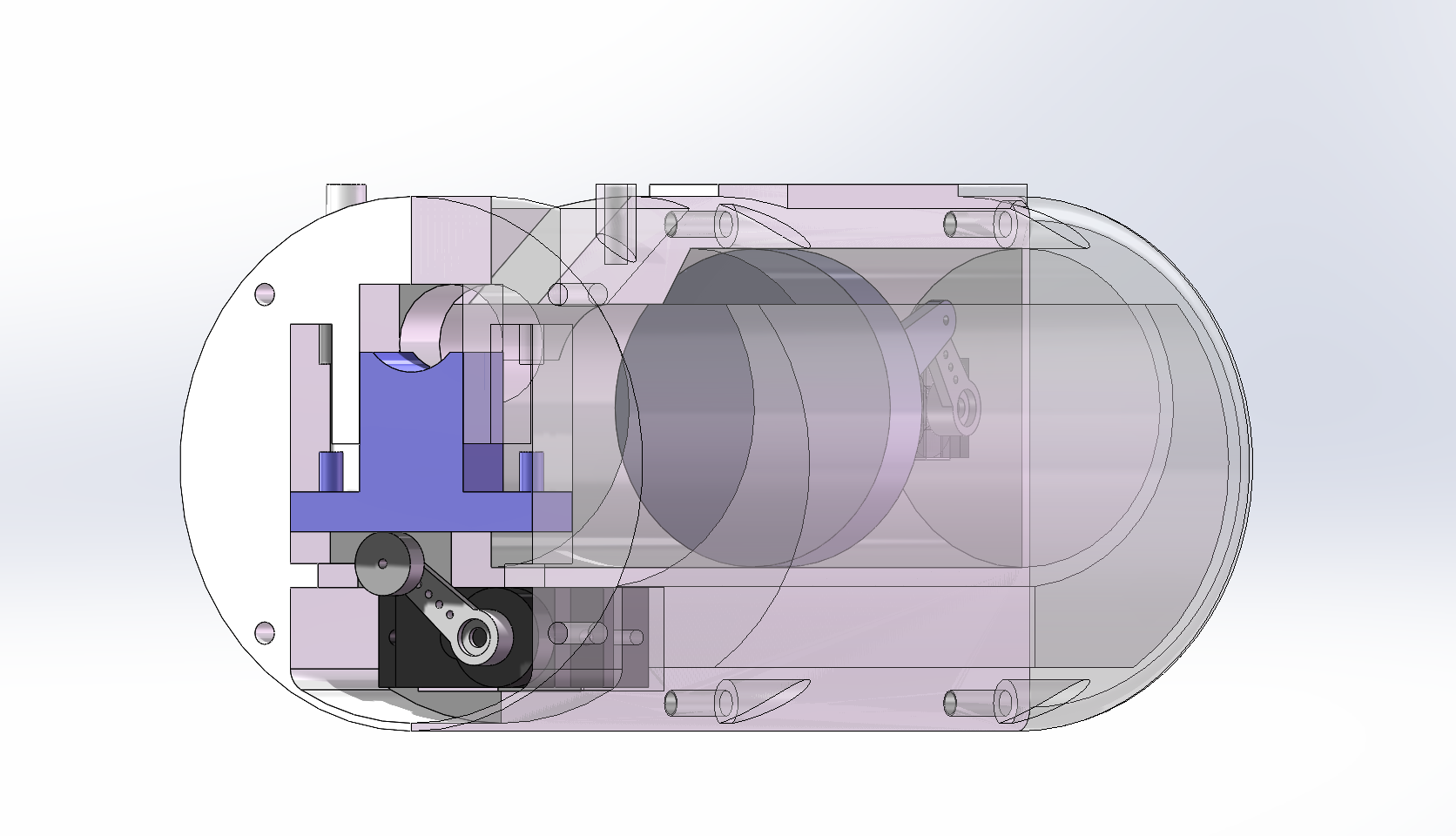
Slider structure
B
A closure mechanism is used to adjust the size of the inlet, controlling the airflow into the cavity to regulate the pitch.
-
There are four supports designed to mount the microcontroller and screen for controlling the whistle.
2

3

1

2
The outlet is designed to include a scent pad at the back, allowing air passing through to carry the scent and attract animals.

1
A solar panel is integrated to provide continuous power for the whistle's operation.
3
An inlet designed with a curved and funnel shape allows for more efficient airflow when blowing.
-
A piston mechanism is used to adjust the size of the air cavity, allowing control over the whistle's pitch.
-
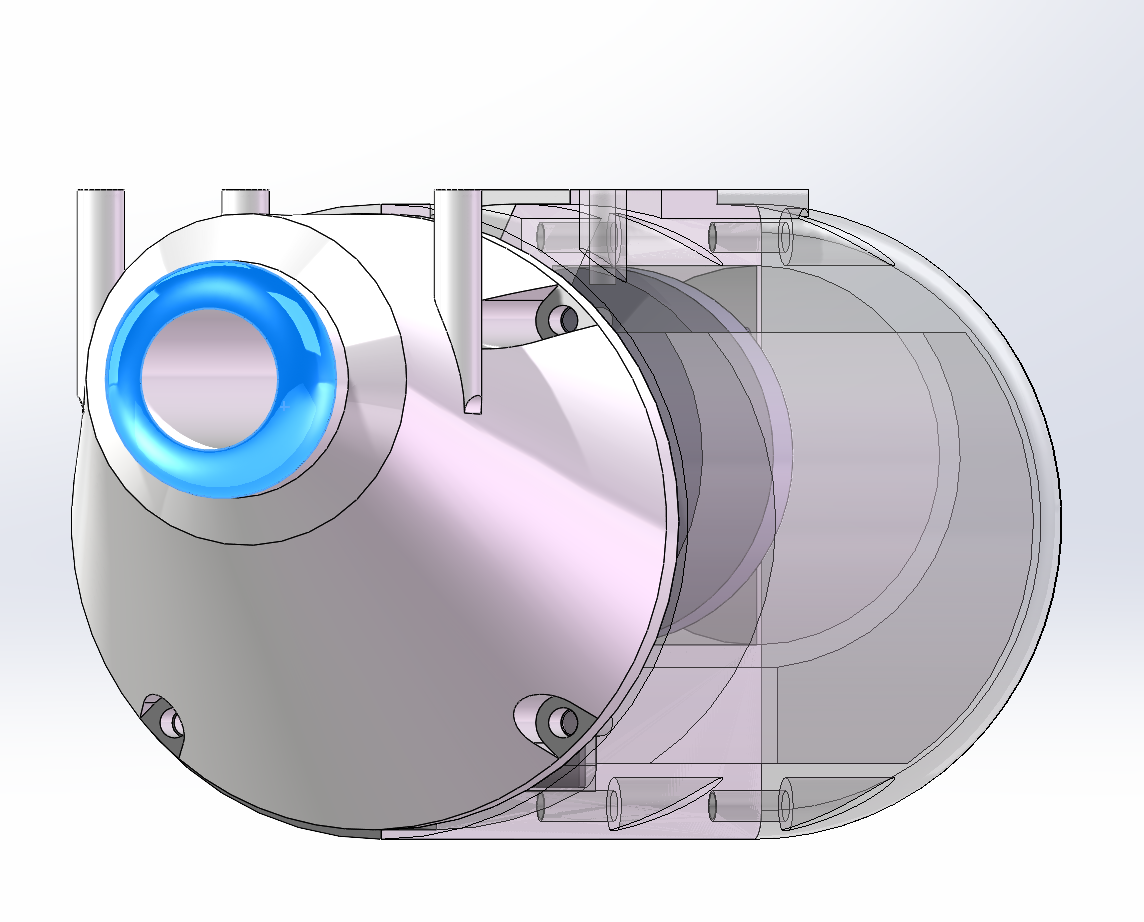
Air Inlet
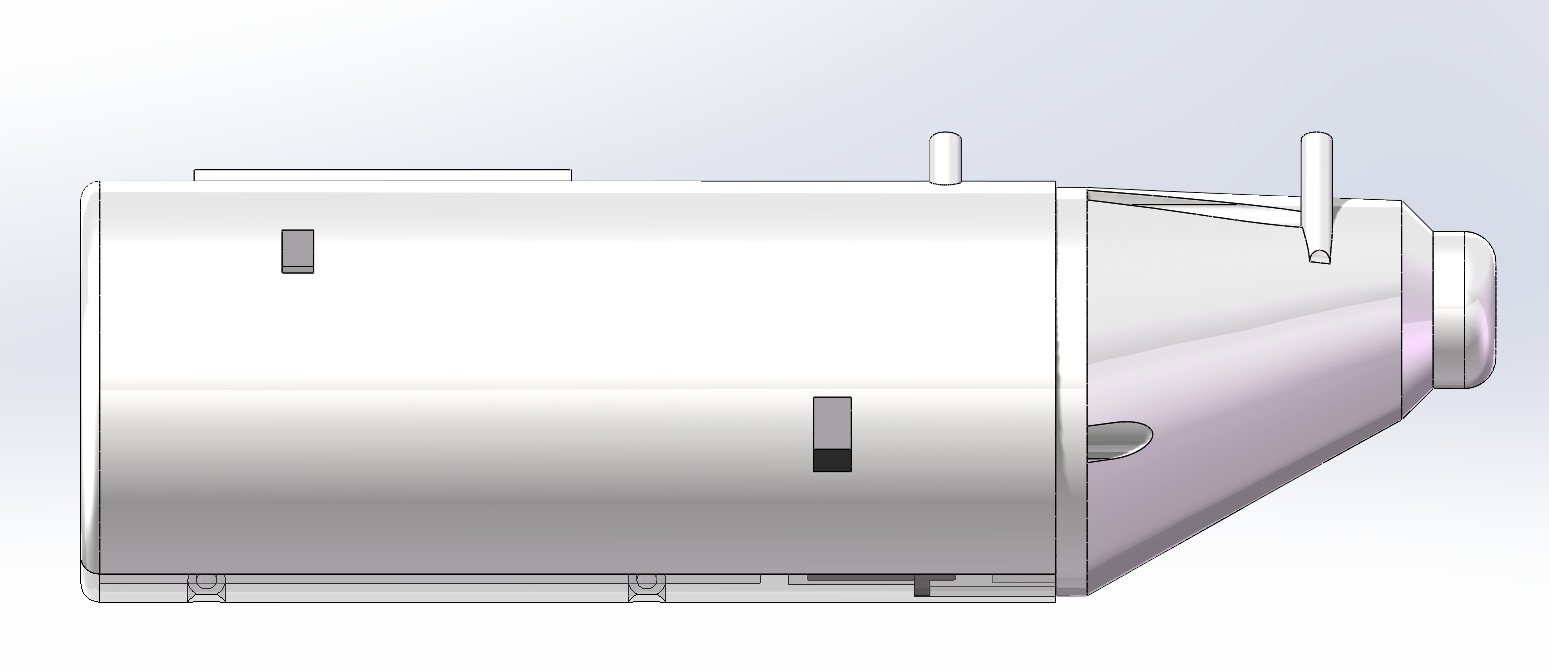
Hidden Side
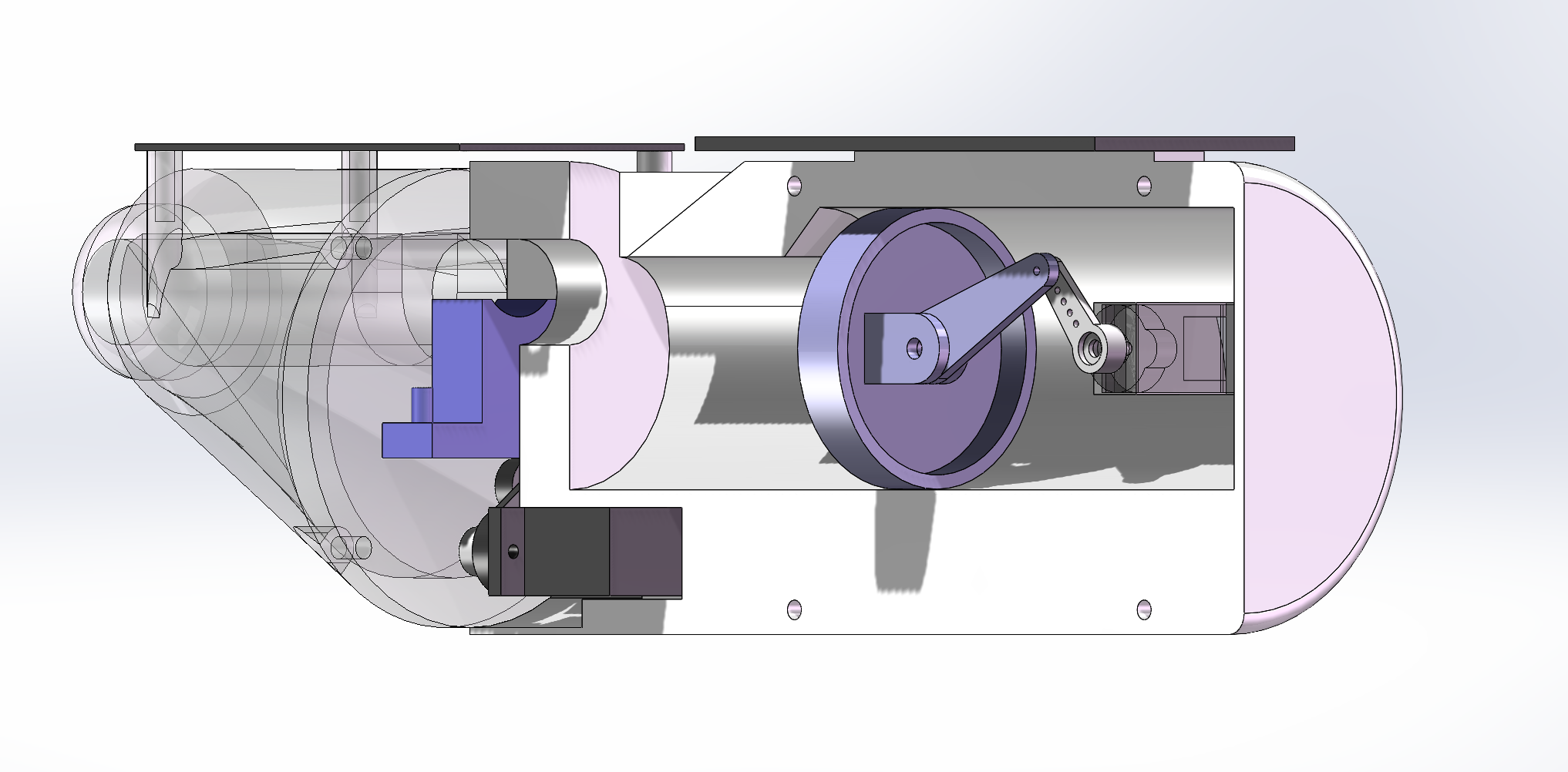
Piston structure
A
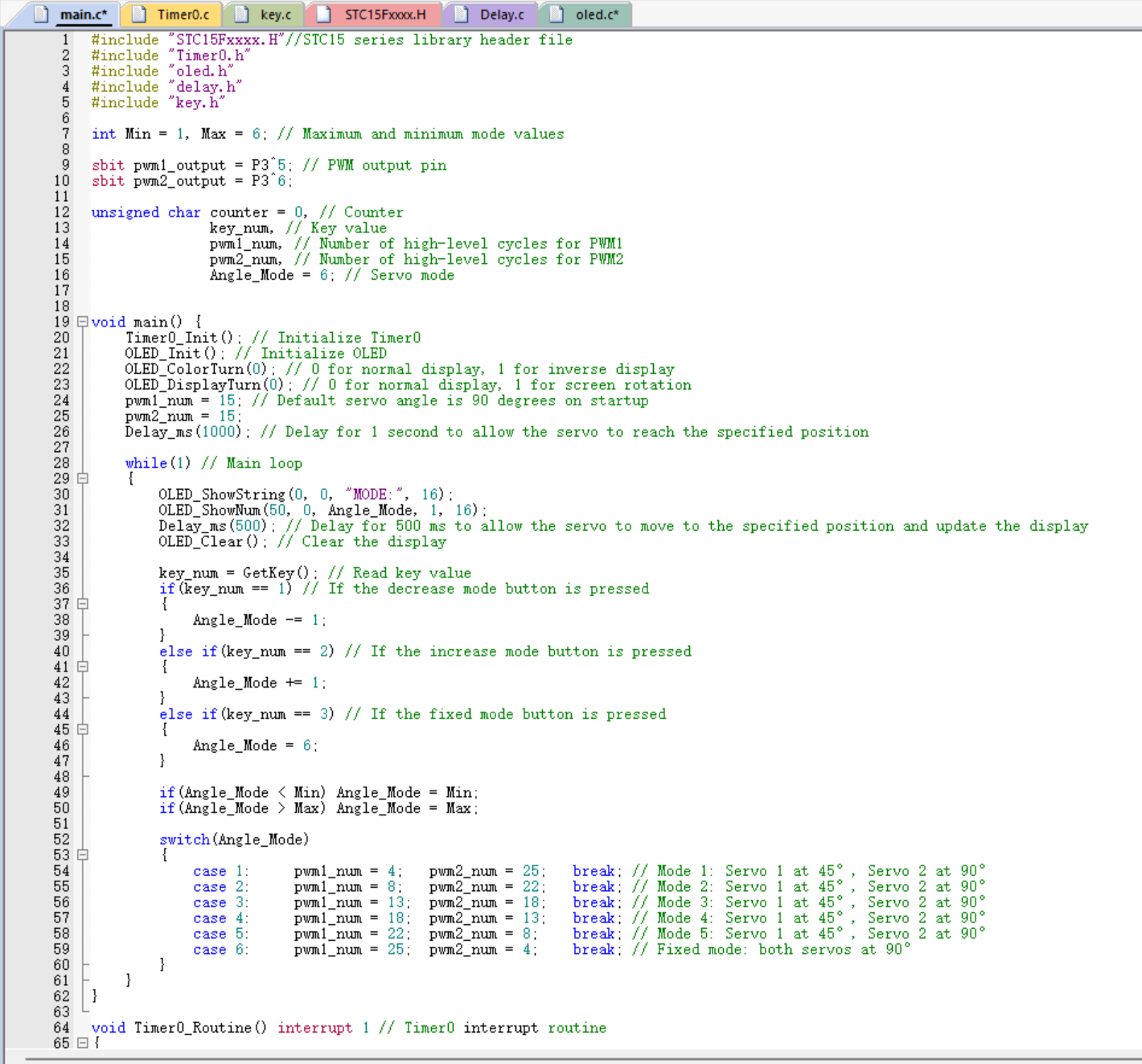
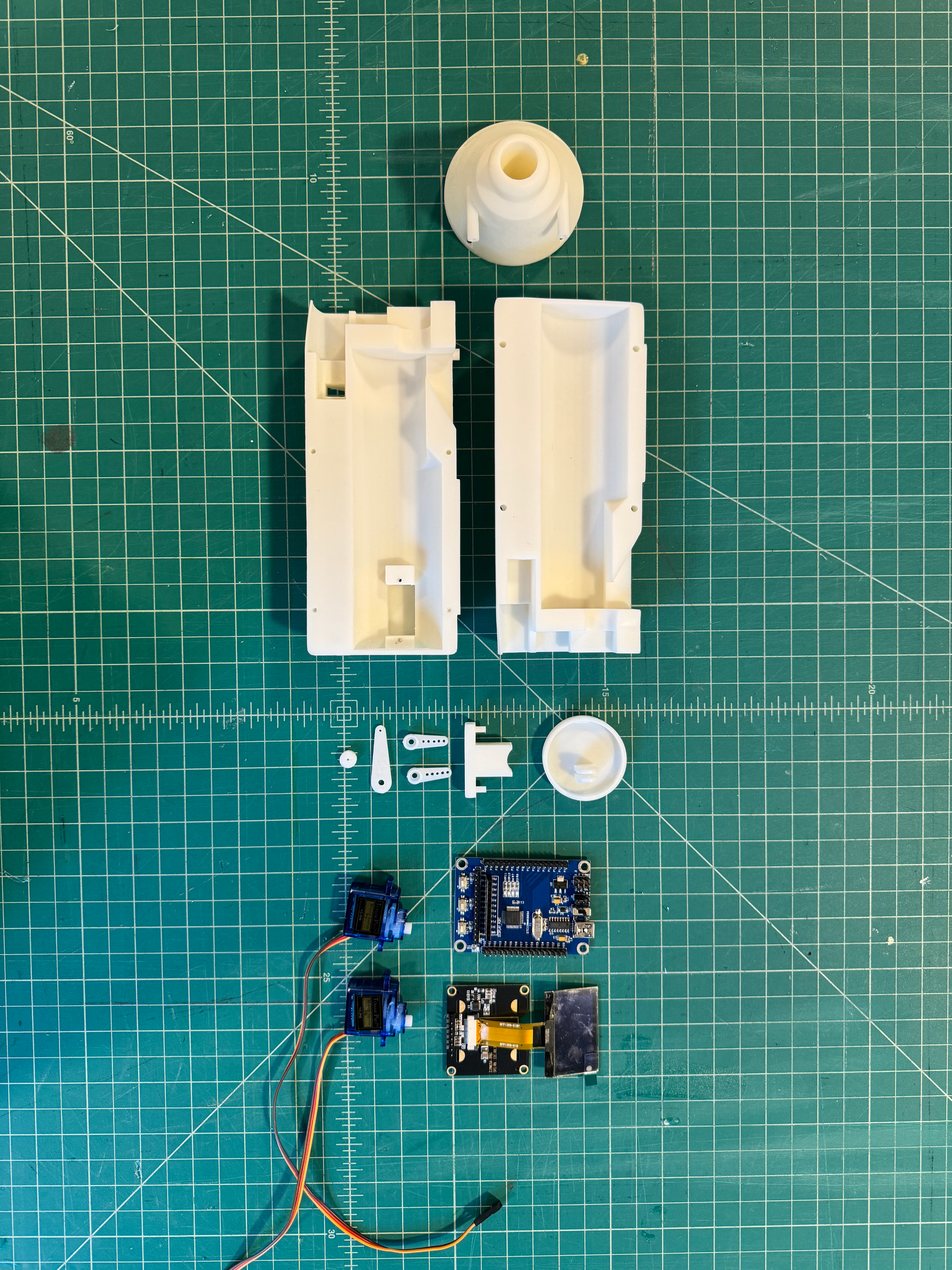
Elements Display
Keil uVision 5 code
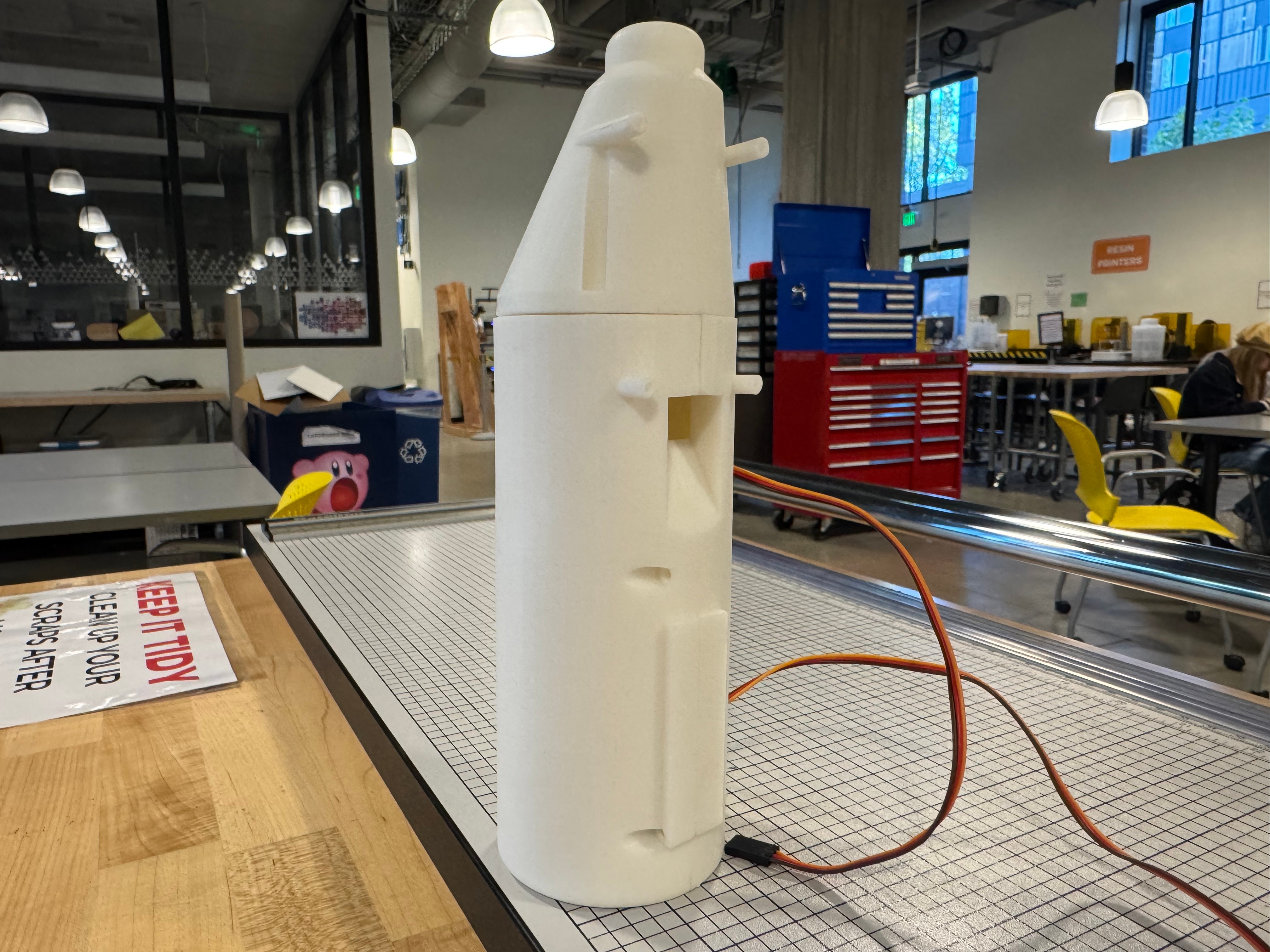
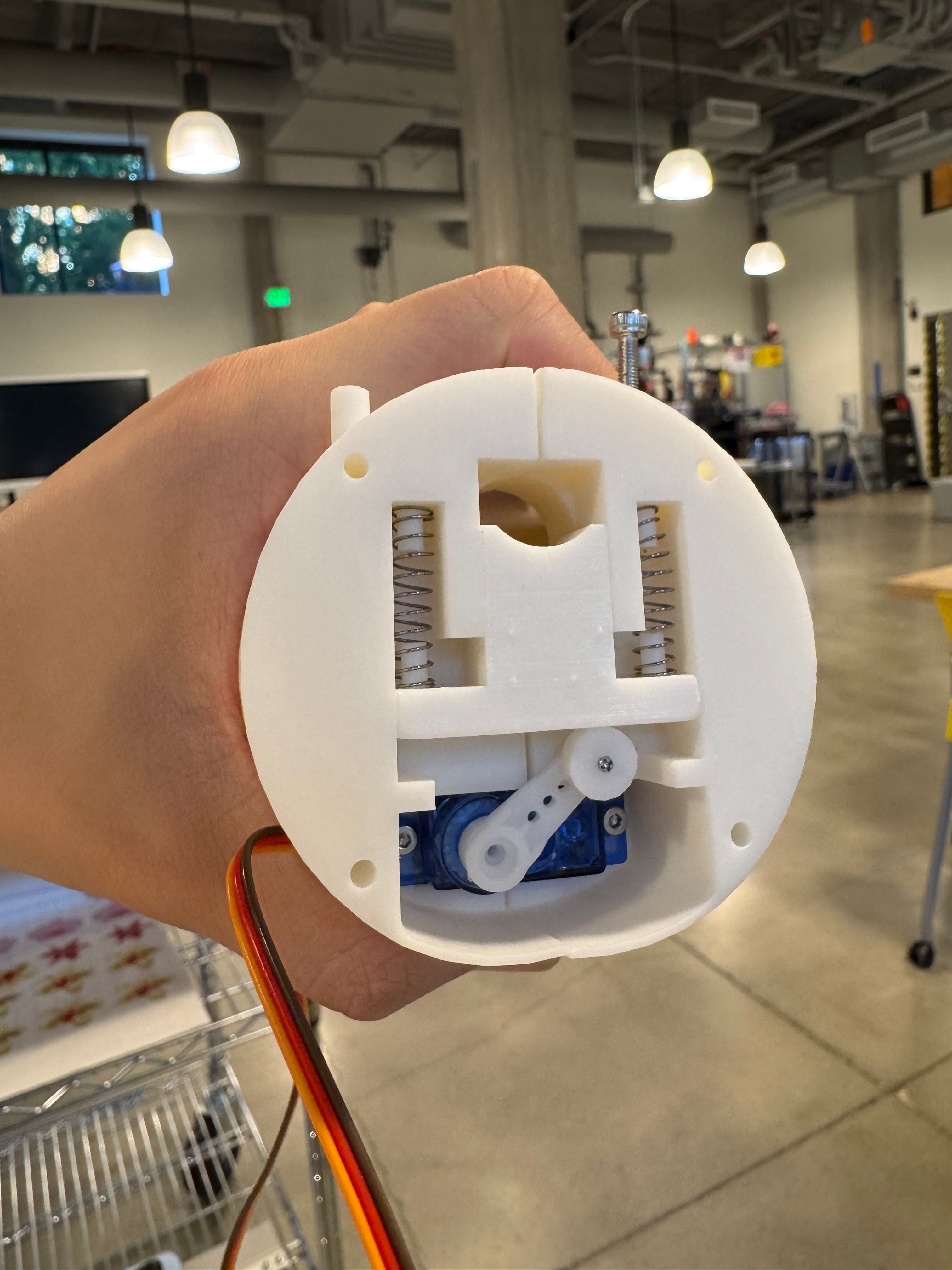
B
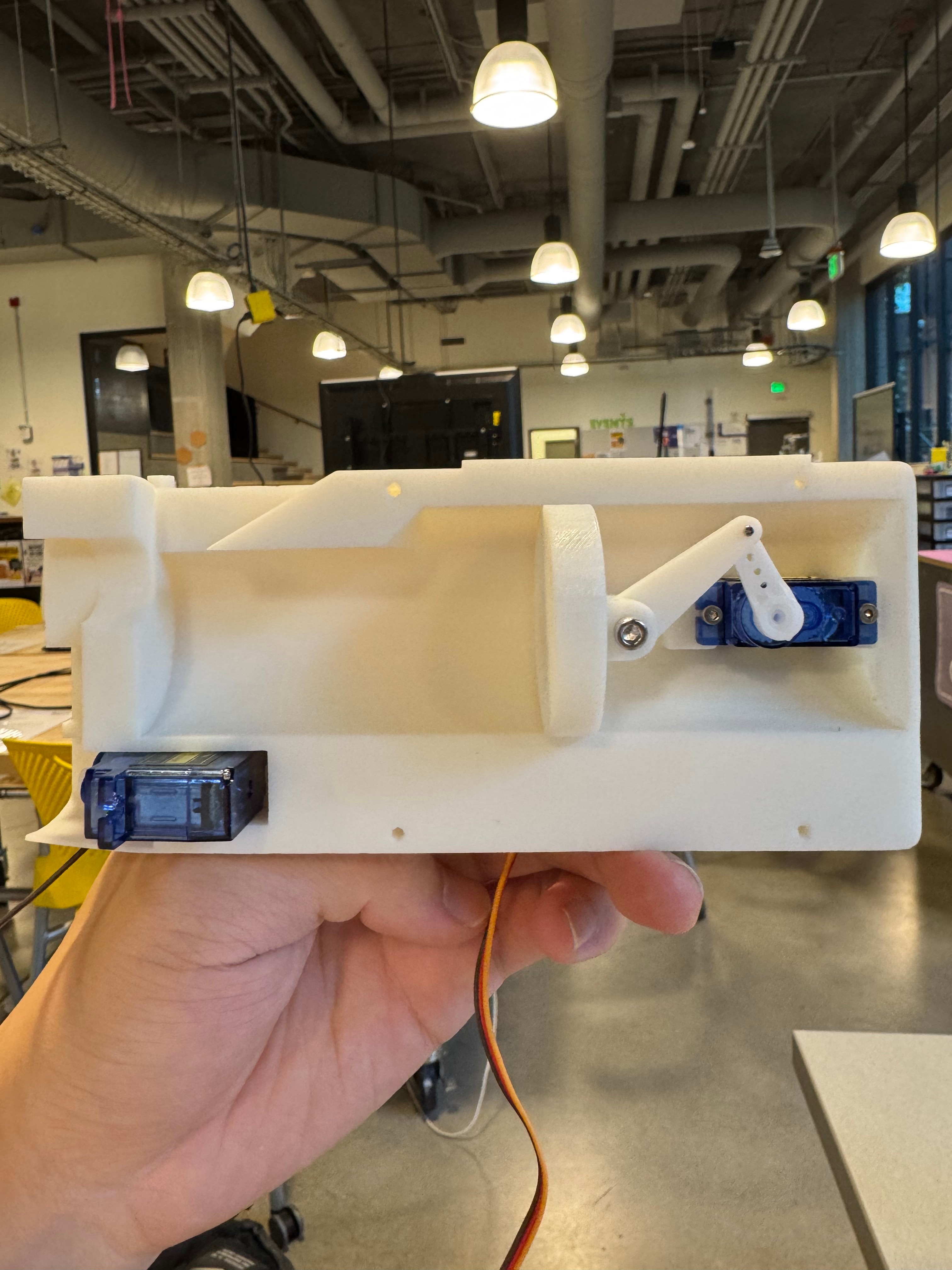
A
Whistle body

Sound Test Process

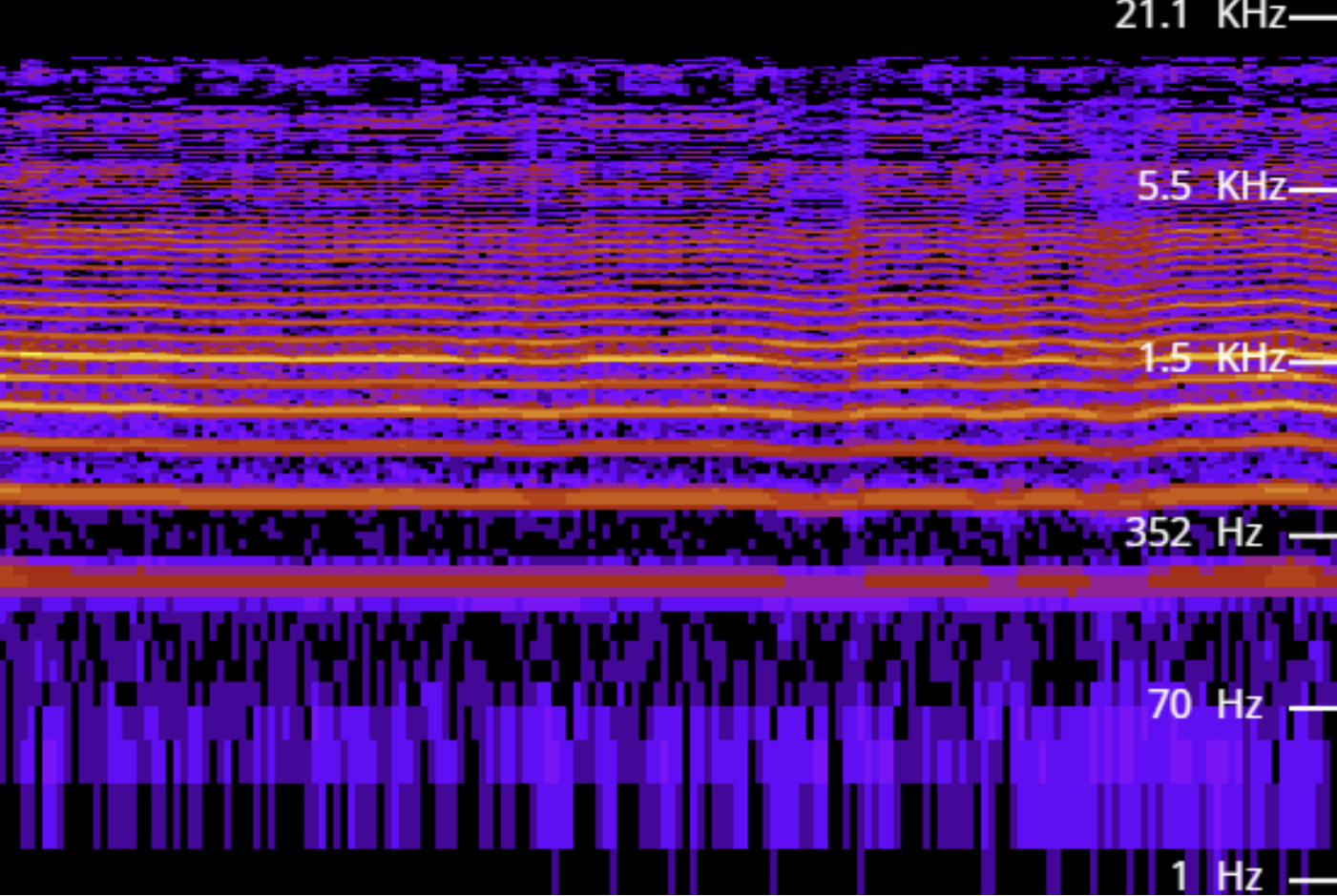
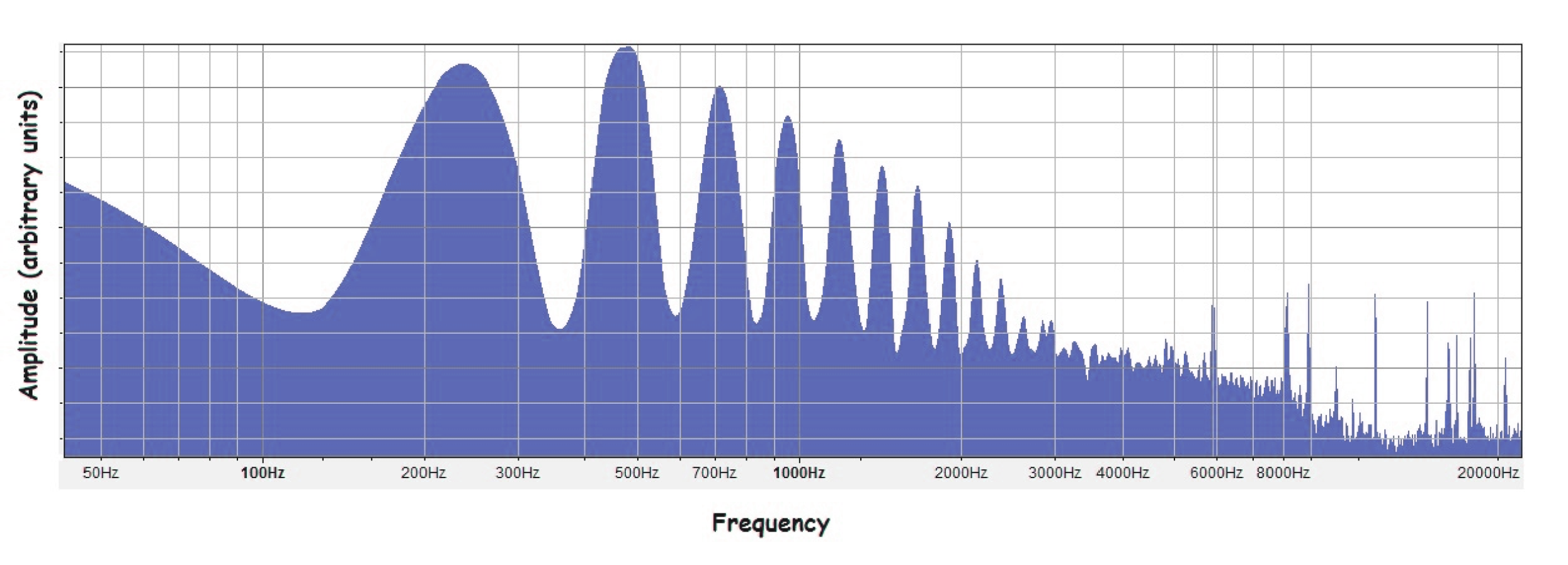
Test Process: I will adjust the two parts, A and B, of the whistle and modify the internal servo motor to different angles. These adjustments will alter the mechanical structure, changing the air cavity and the size of the air entrance. I will then record the sound, analyze it with a spectrum analyzer to generate plots, and compare the results to a store-bought duck whistle. By fine-tuning the angles to create different pitches, I aim to replicate the sound and spectrum plot of the duck whistle.


B
A
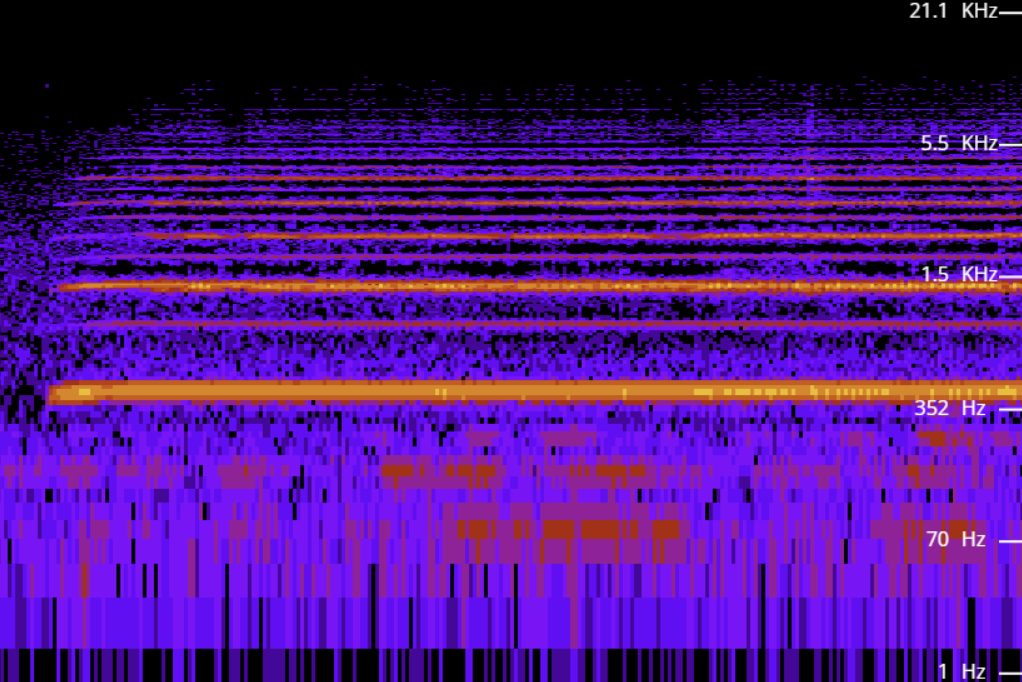
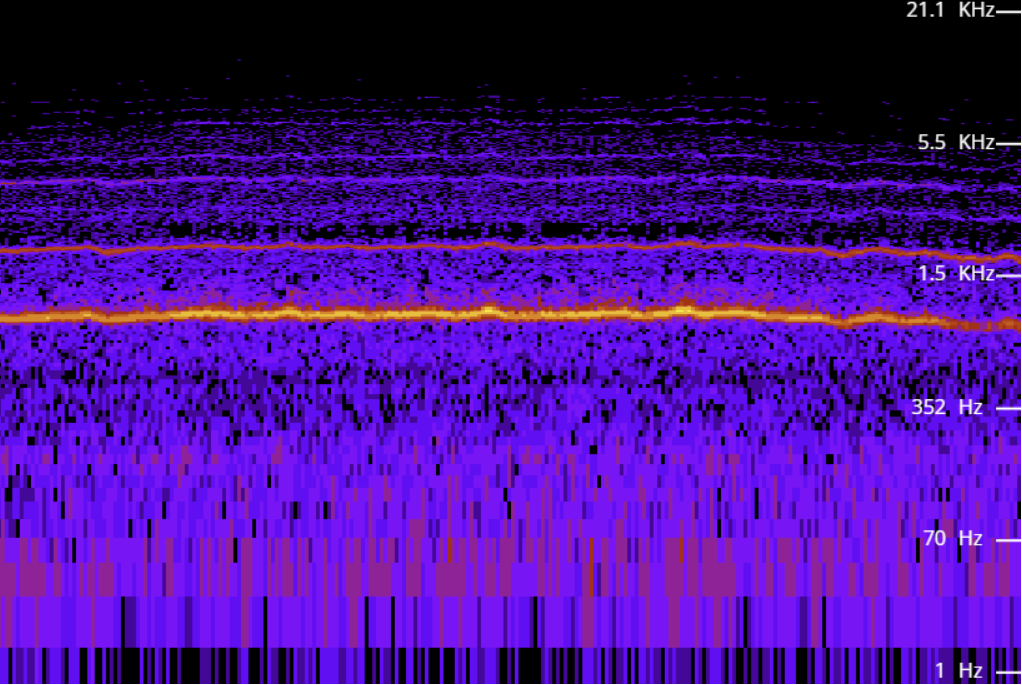
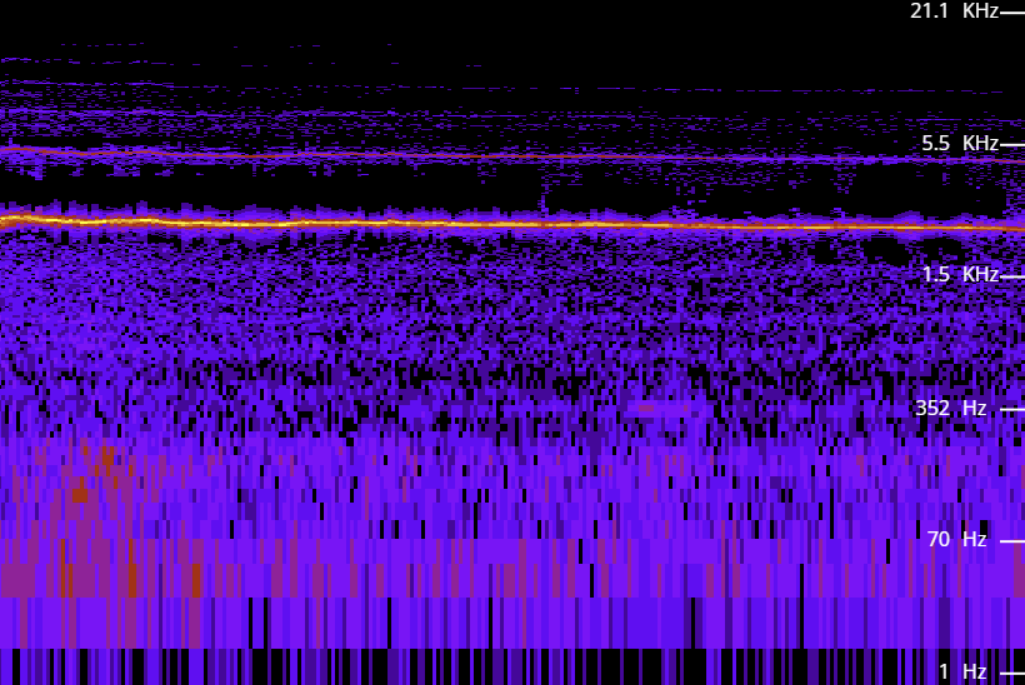


10°
10°

15°
10°

15°
20°
Test 1
Test 3
Test 2
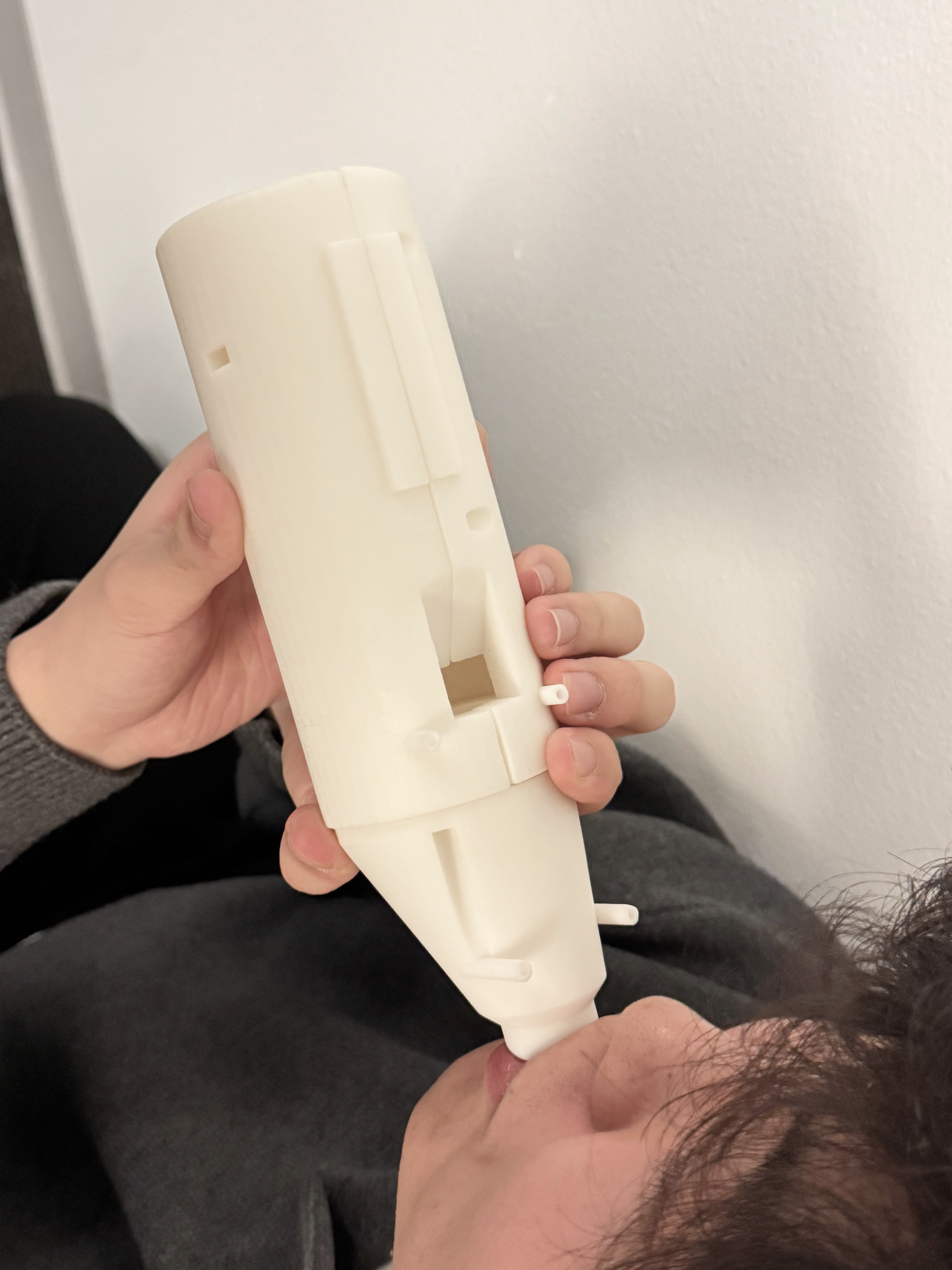
This test evaluates whether my designed whistle can replicate the sound of a commercially made duck whistle. Using a Spectrum Analyzer, I will compare the frequencies of both whistles. By adjusting my whistle’s structure to alter its frequency, I aim to match the frequency profile of the duck whistle, verifying its ability to produce specific sounds for wildlife interaction.
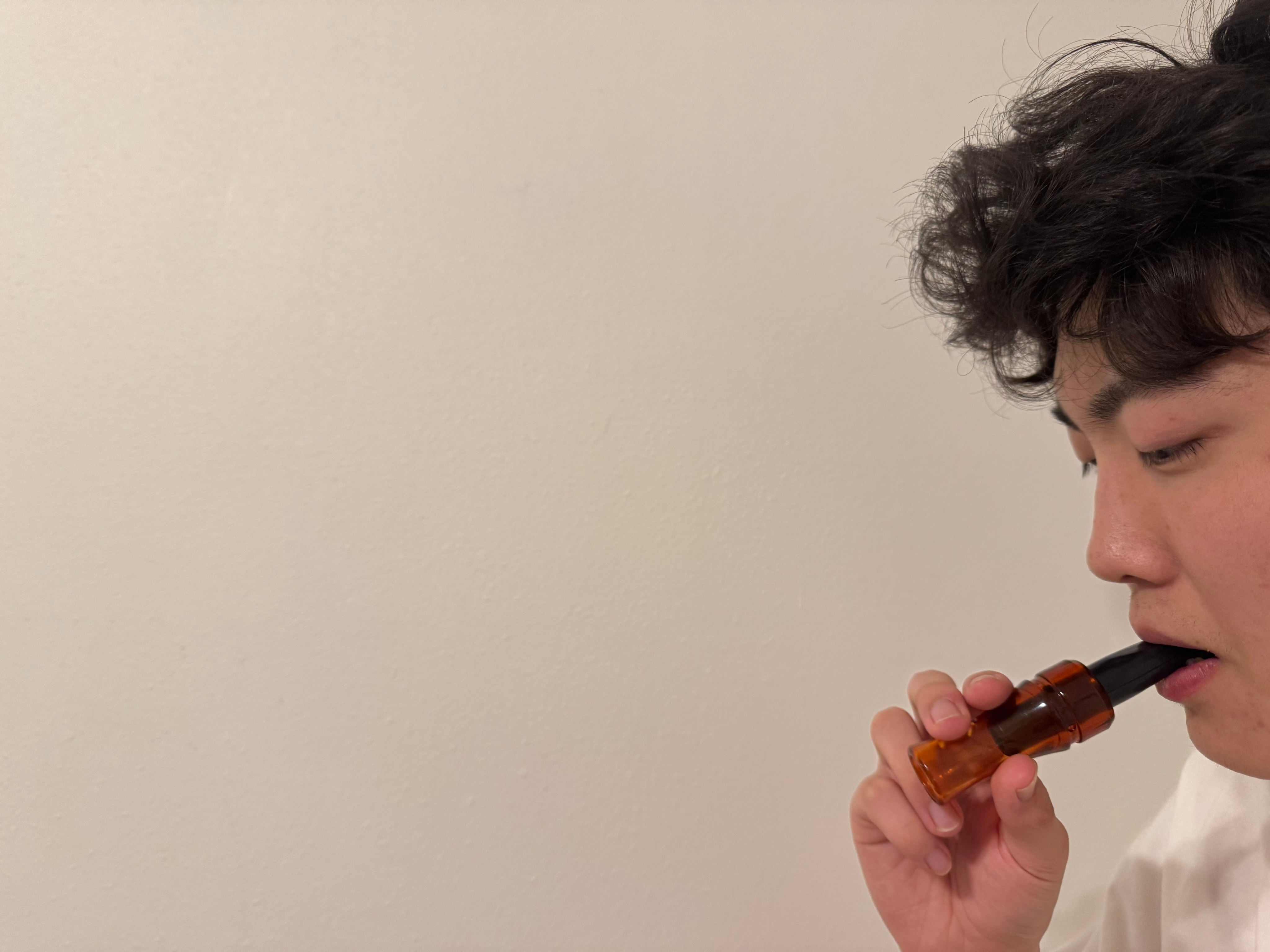
Use Duck Whistle and test the sound
Duck Whistle Sound Test
My Whistle Sound Test
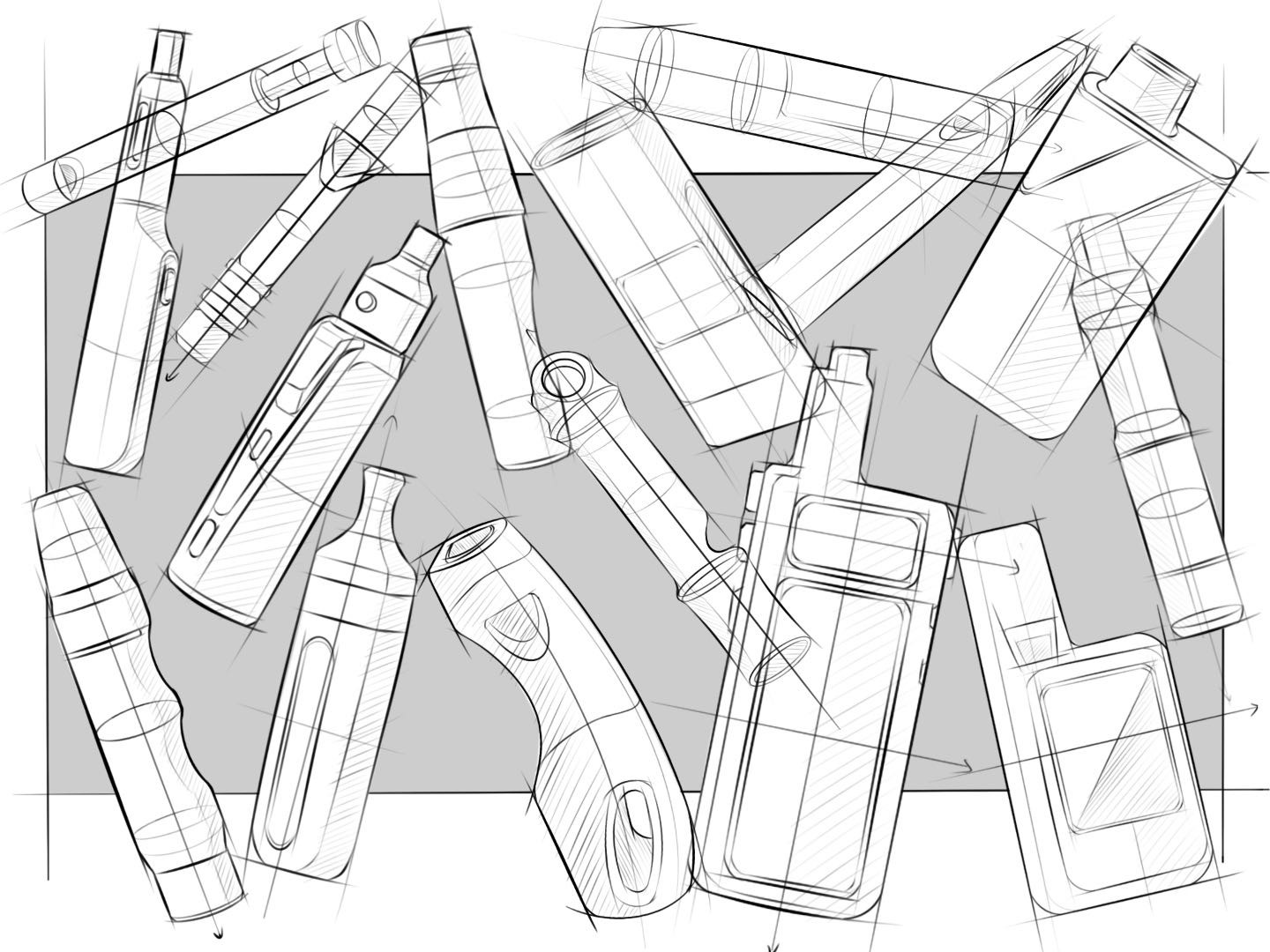
Refine Product Design Brainstorm

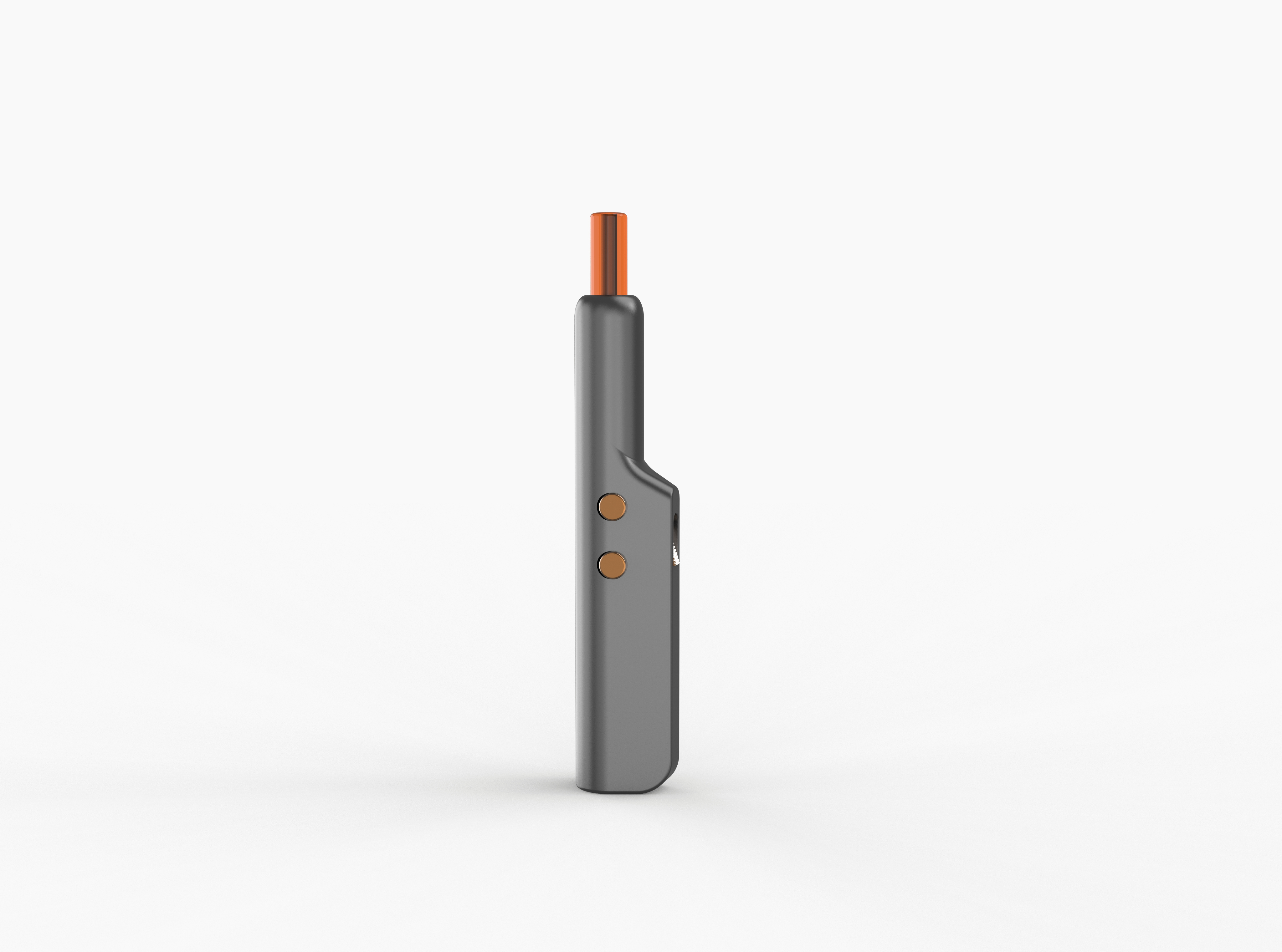
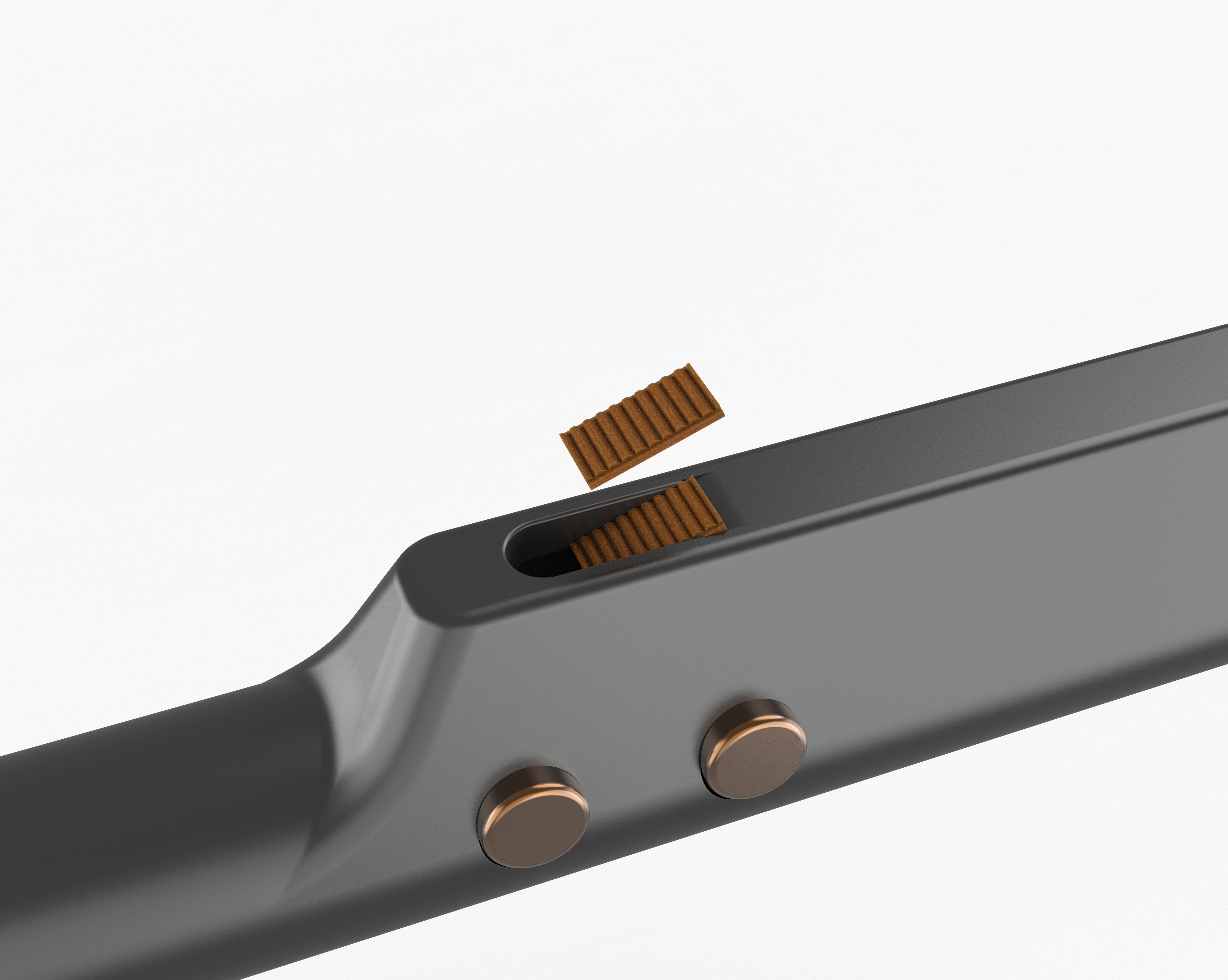
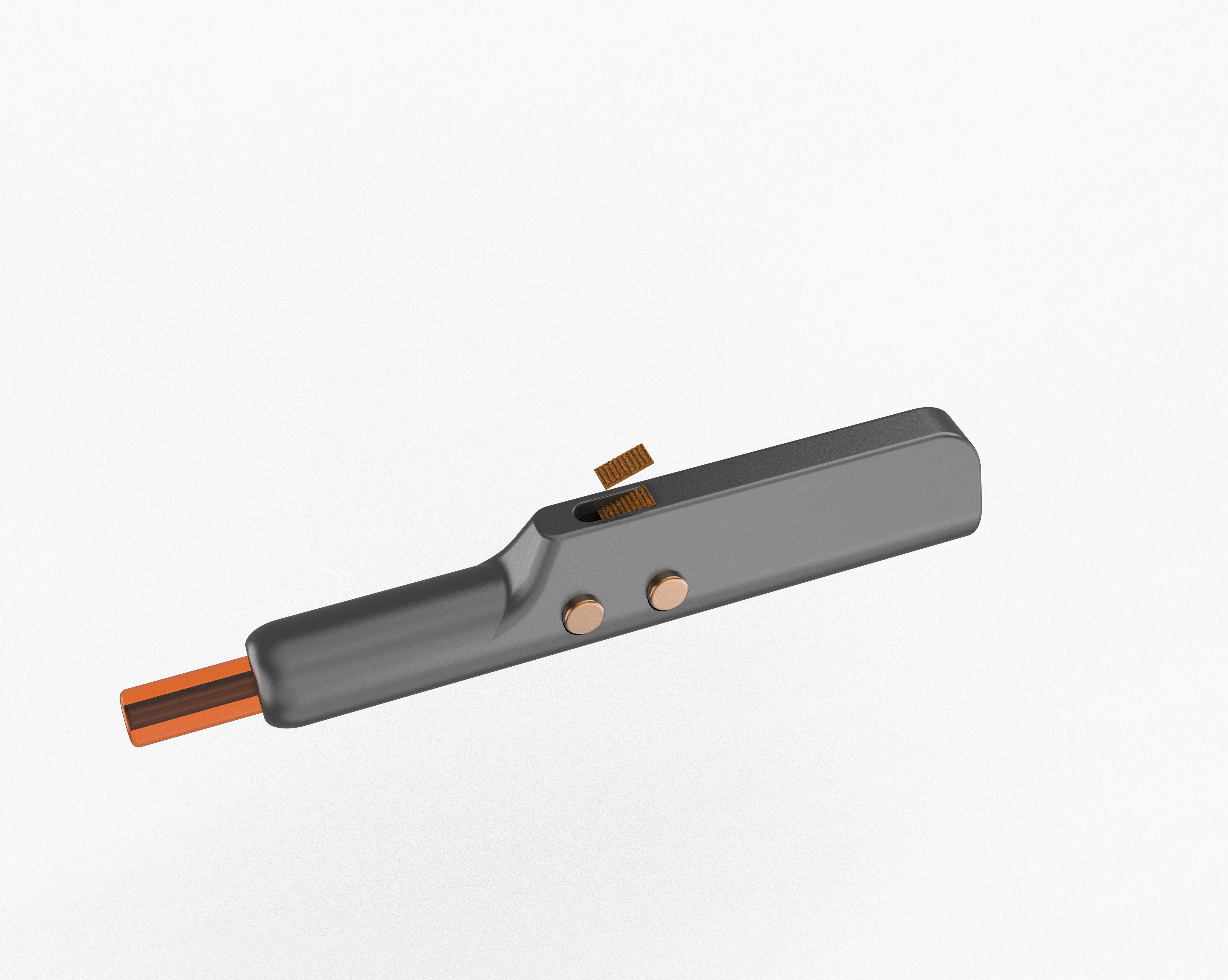
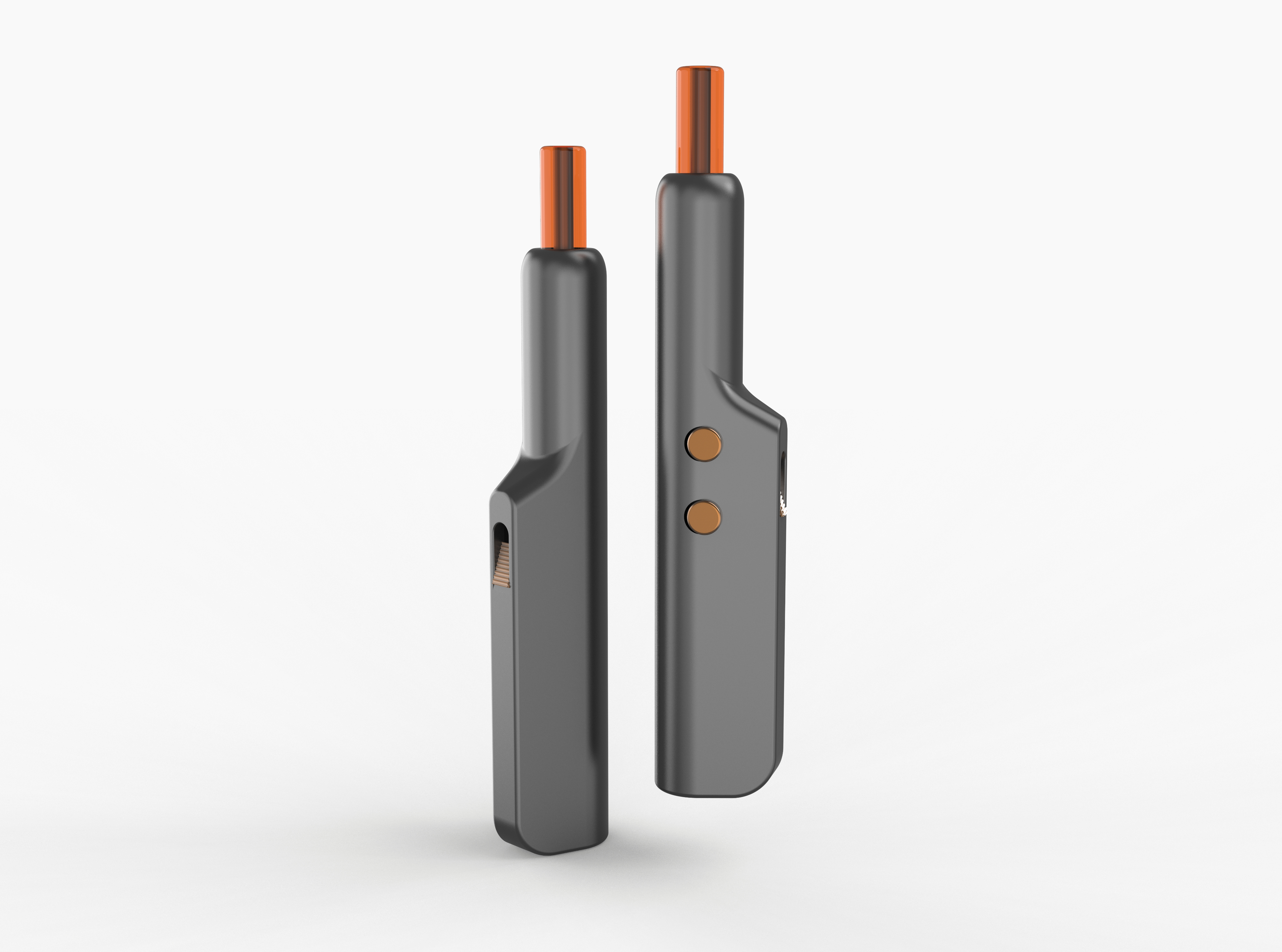
Rendering
Research Process
Product Design (SolidWorks)
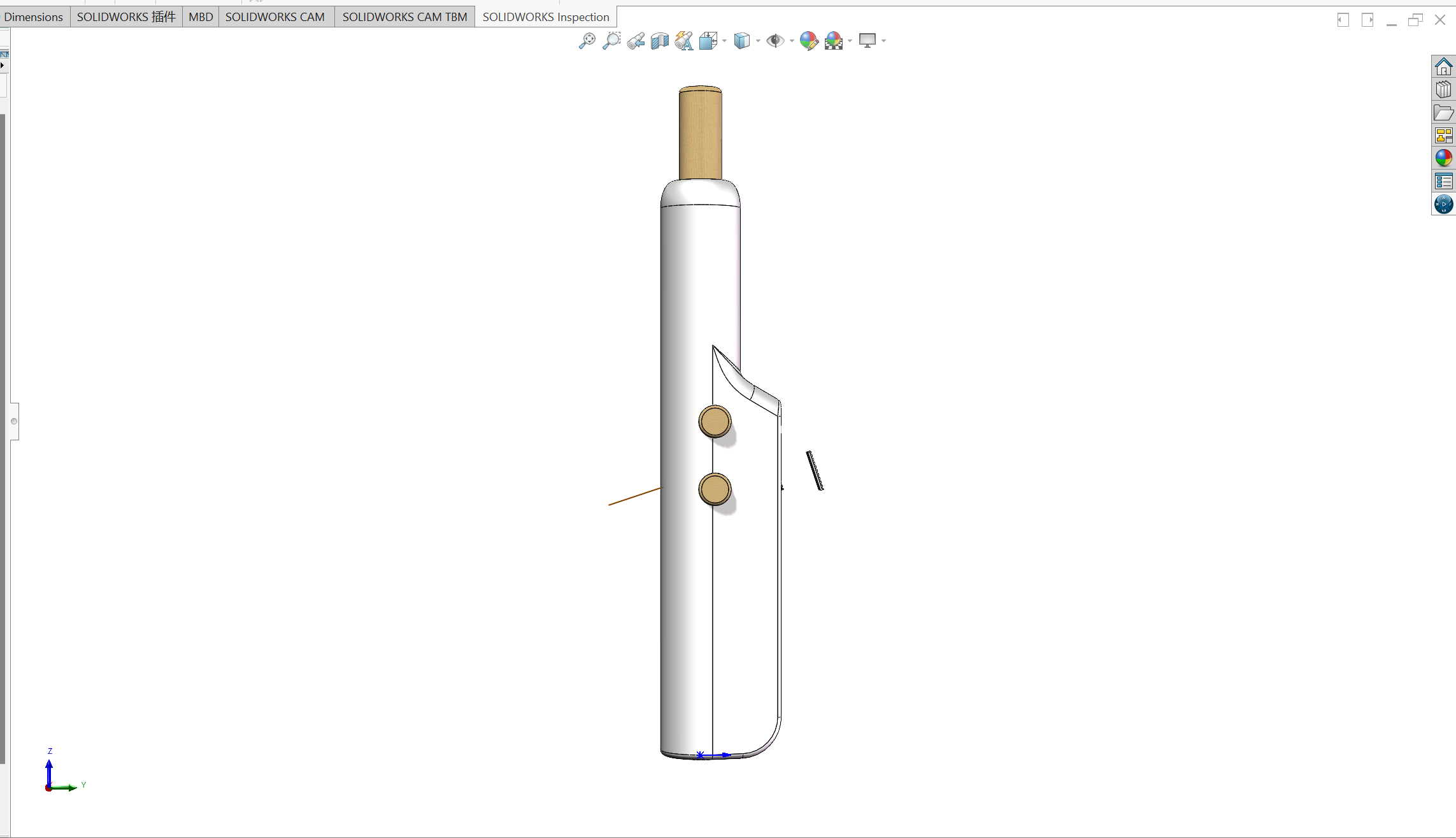
Observation
The most common way to whistle
The air travels down into the hollow to make a deep sound
Control the frequency of the sound by wiggling your fingers
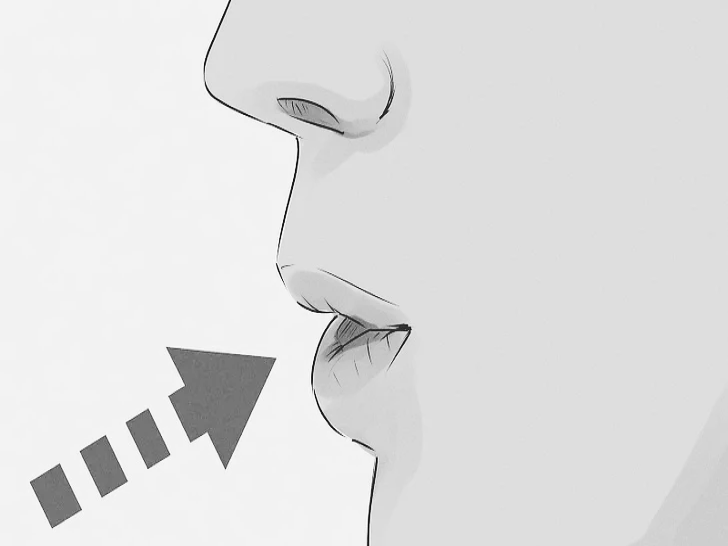
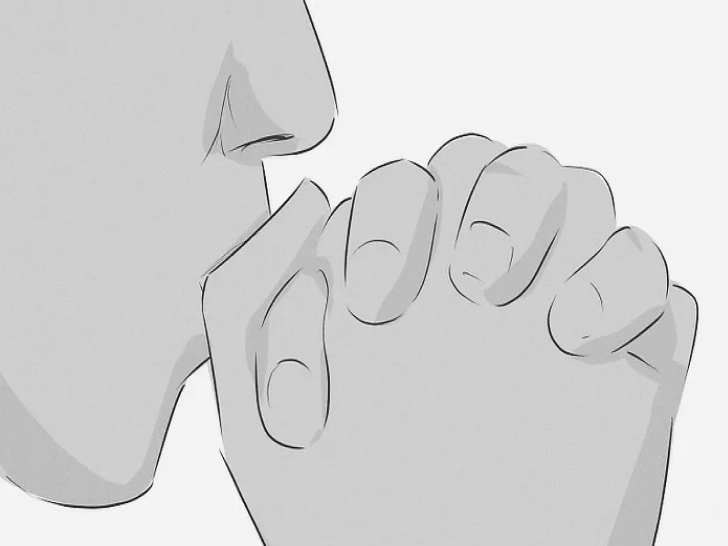
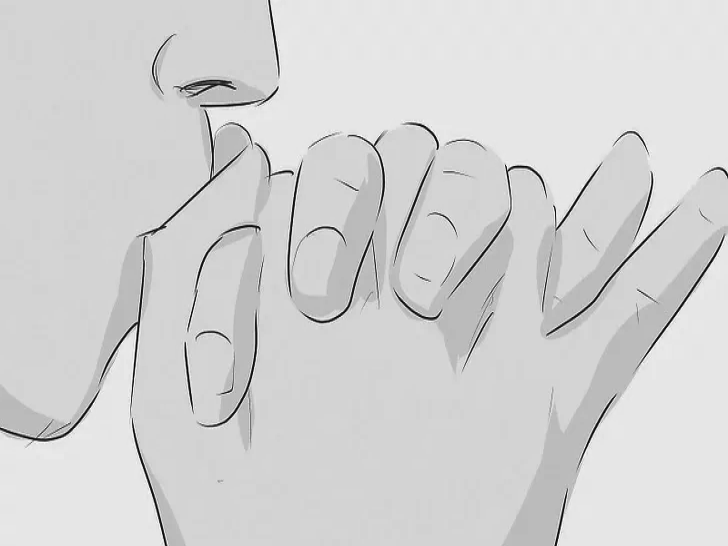



Use body parts to whistle for attract birds

Crafting from Plants to attract birds
Use bamboo to make a simple whistle
Use wood to make a whistle that can produce different sounds
Use bamboo to make a simple duck whistle
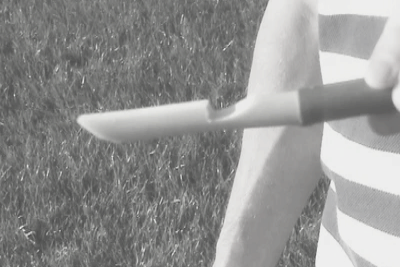
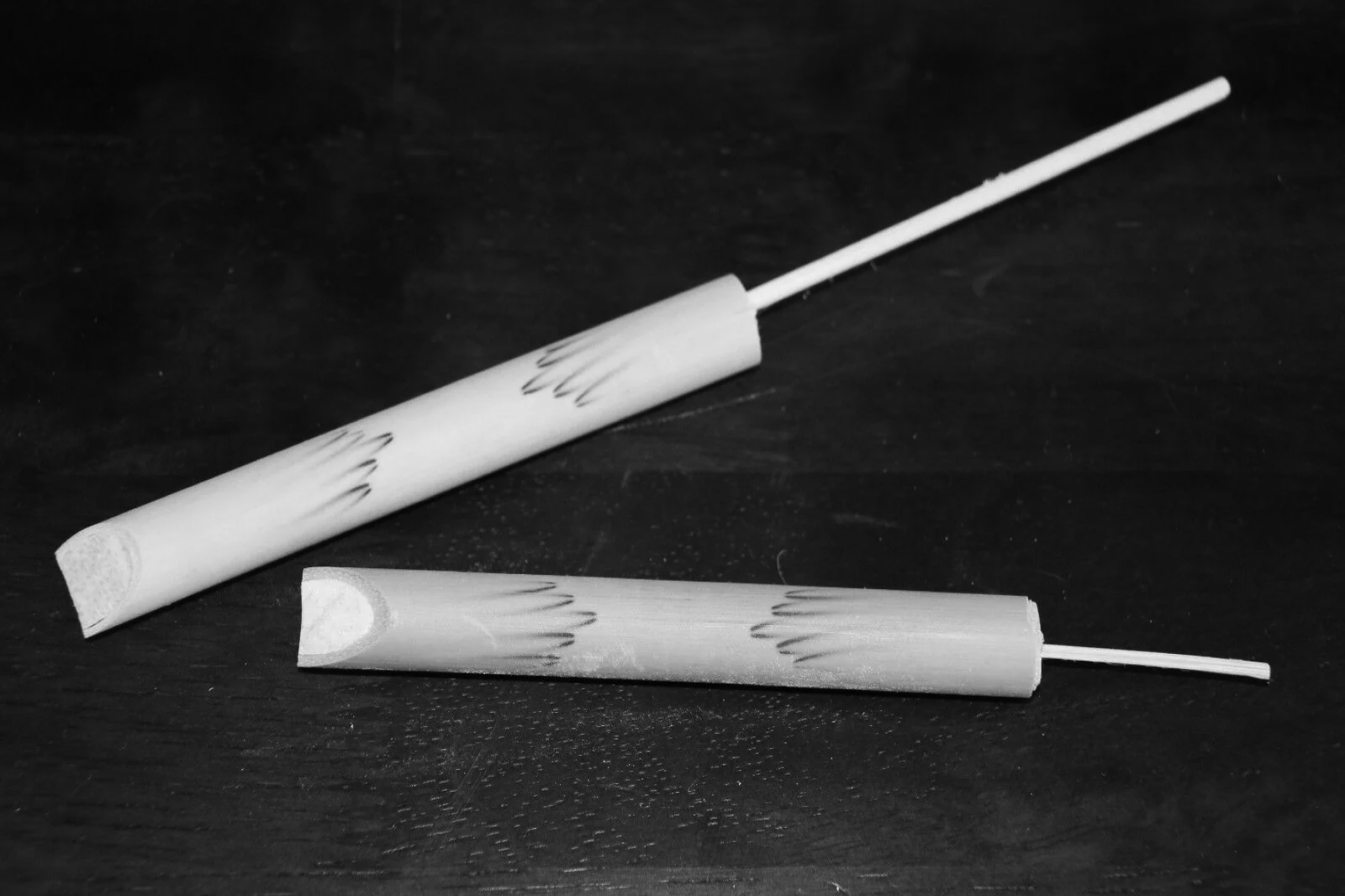
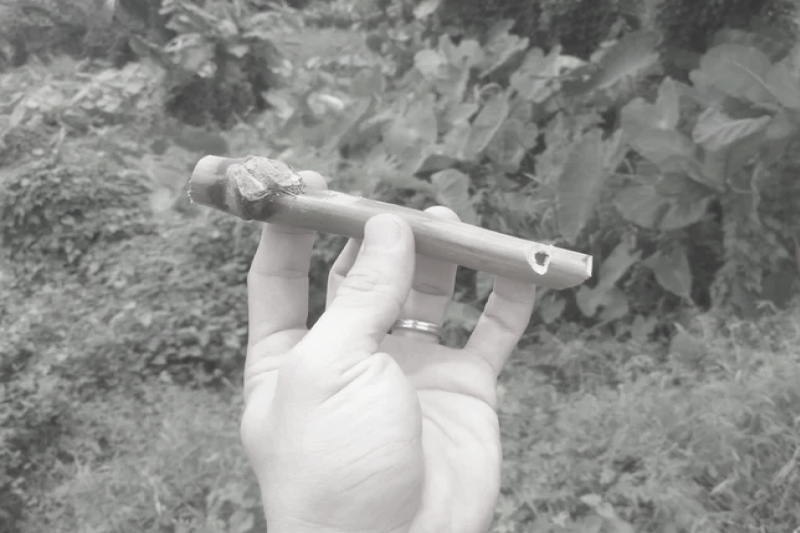
1
2
3
1
2
3


According to research, whistles are not only effective for attracting birds but can also attract a variety of animals by producing sounds at different frequencies through various gestures. By adjusting hand positions, people can create diverse sounds to mimic animal calls, allowing them to communicate with different species.
Mastering all the different whistles to attract various animals is challenging and impractical. To make it easier, modern factory-made whistles have been developed for hunters, campers, and wildlife enthusiasts. These whistles come pre-tuned to produce animal-specific sounds, allowing for effective interaction with wildlife in different outdoor settings without needing traditional techniques.
Whistle to attract duck
People use three main methods to attract or avoid wildlife: sound, visual cues, and scent. “Sound” mimics animal calls or scares them off, while “visual cues” like decoys or reflective objects deter animals. “Scent” uses attractants or repellents to manage wildlife interactions effectively.
The frequency of the sound is determined by several factors:
1. The dimensions of the cavity influence the volume of air inside, which in turn affects how quickly air pressure builds up and releases.
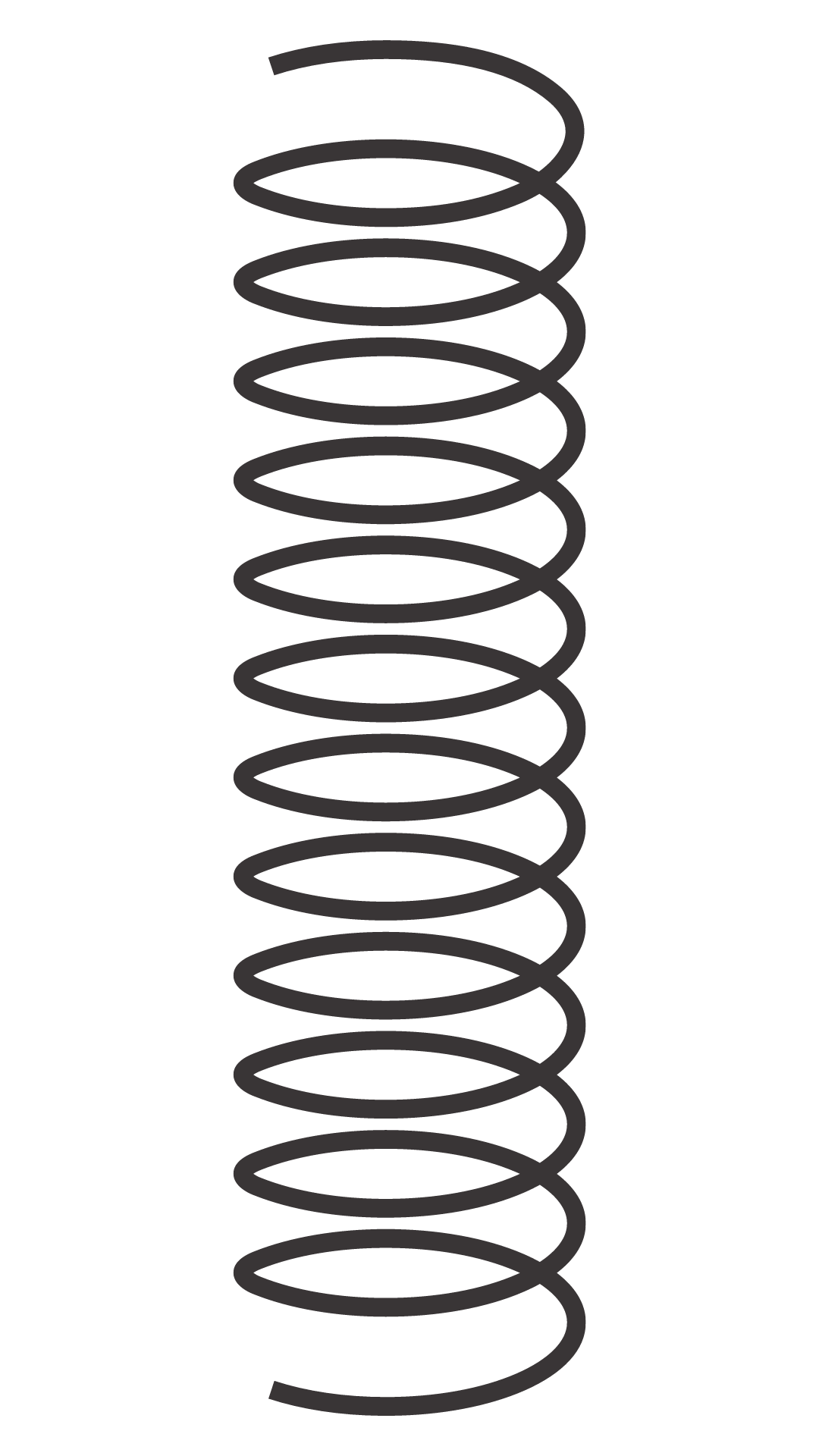
2. The elasticity of the air inside the cavity plays a critical role in how the pressure fluctuates, which contributes to the natural resonance.
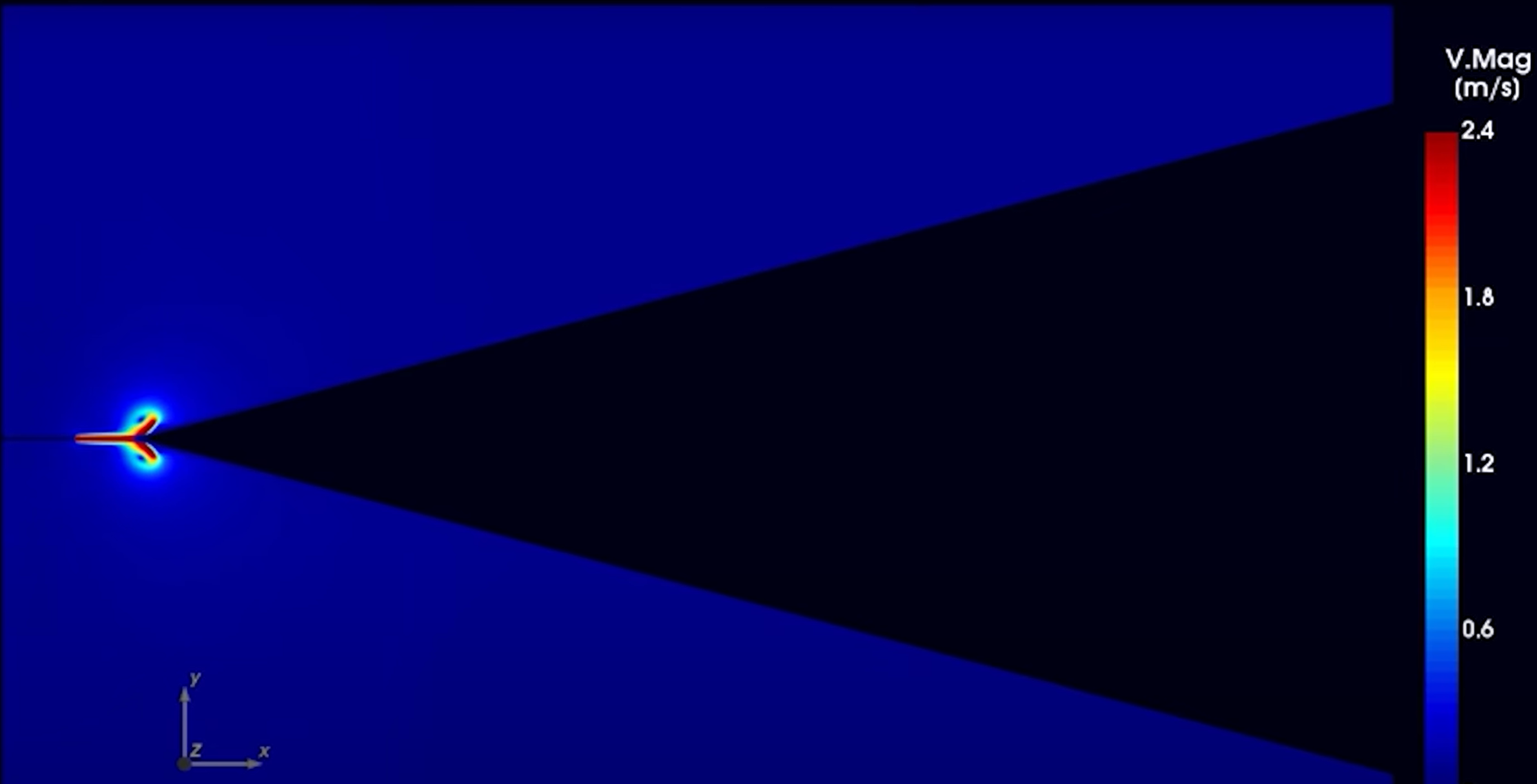
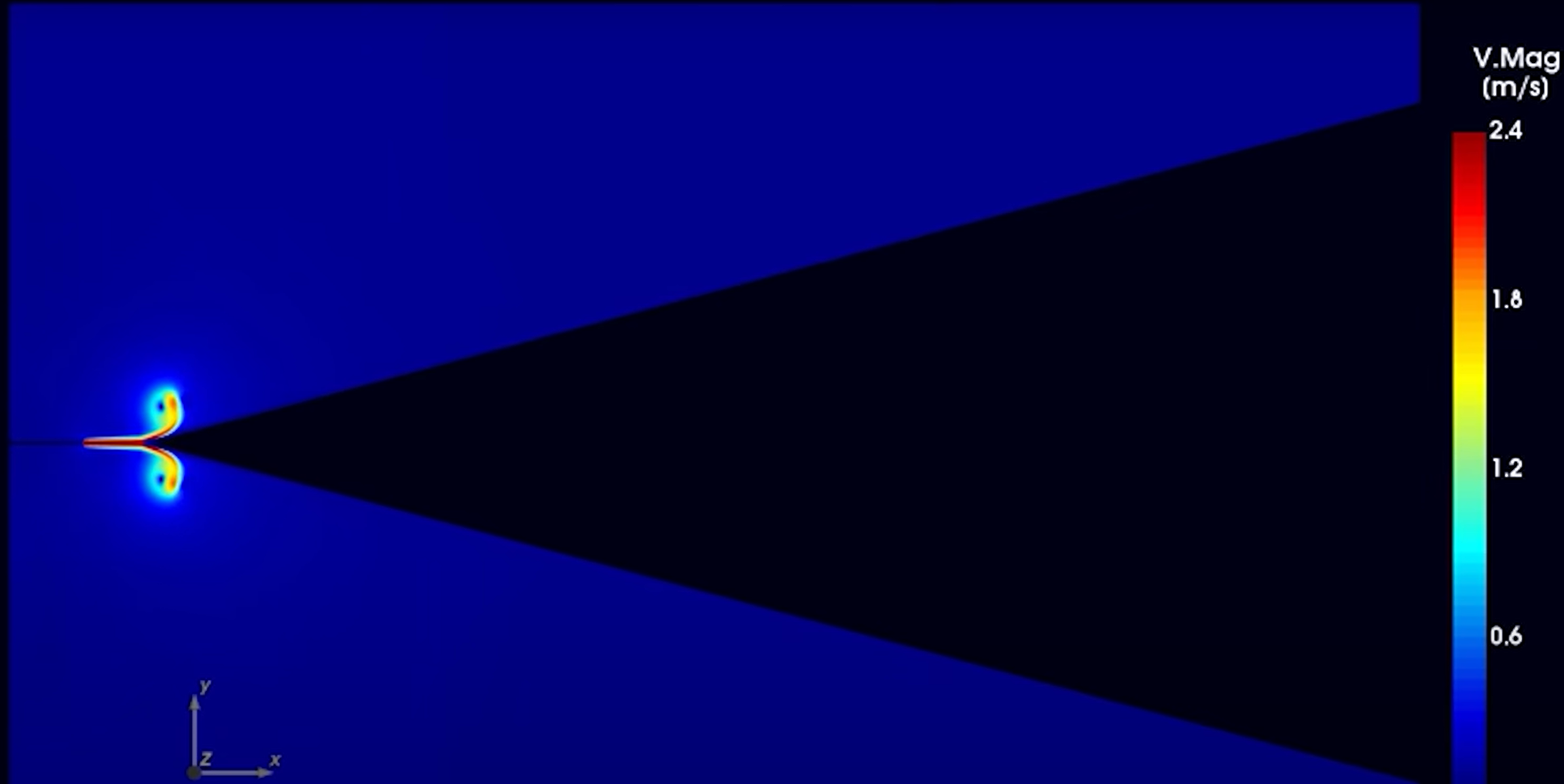
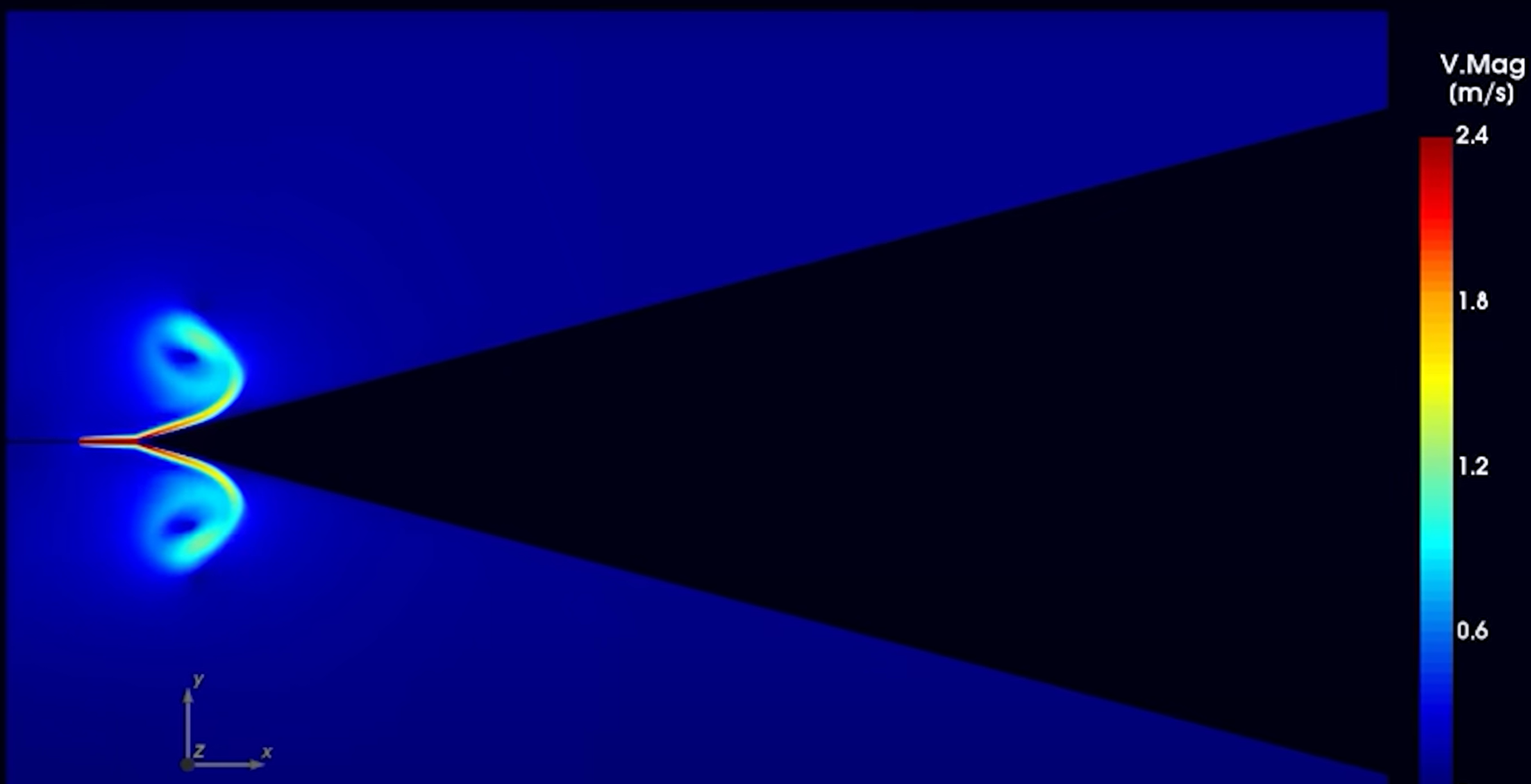
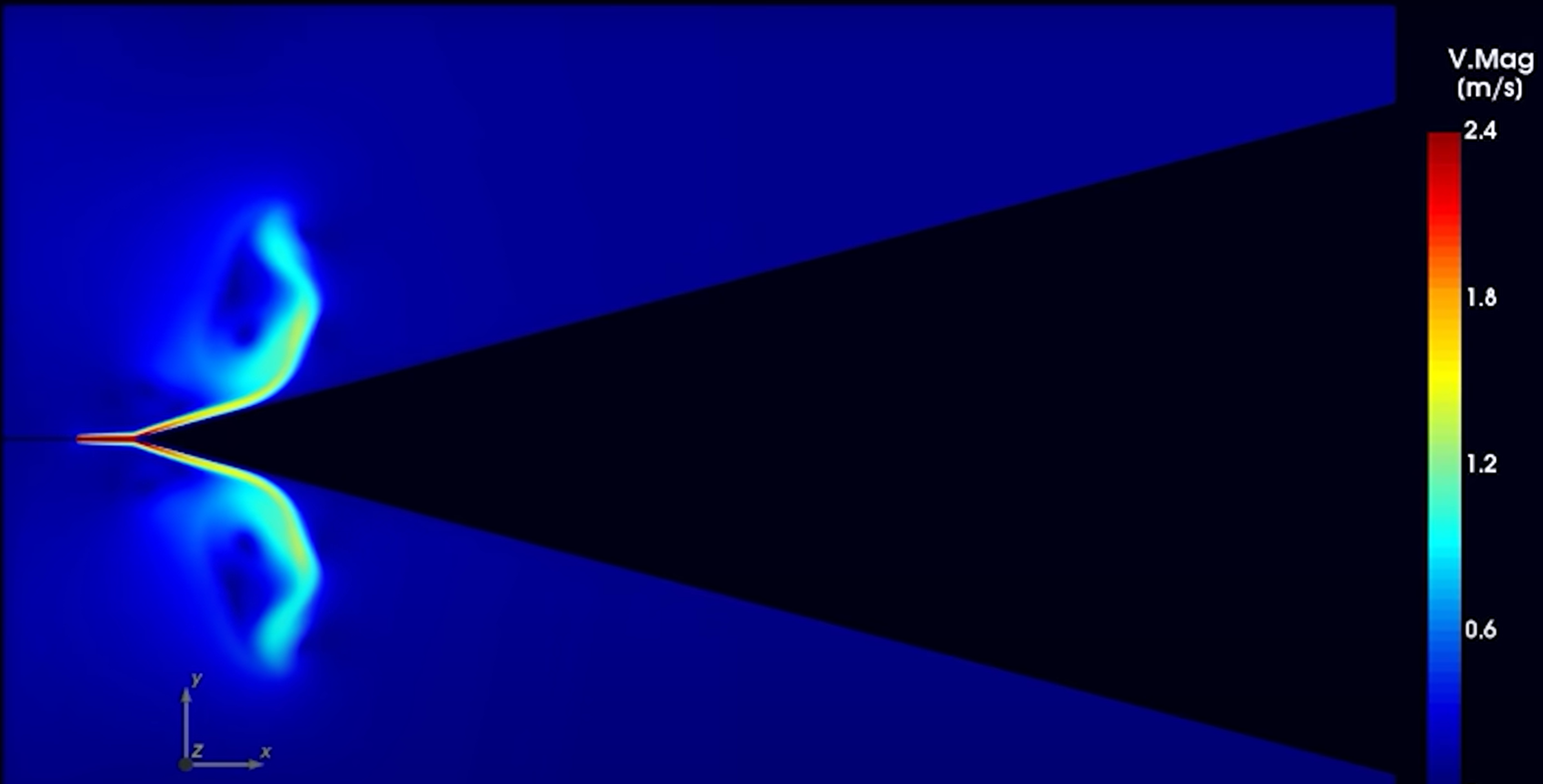
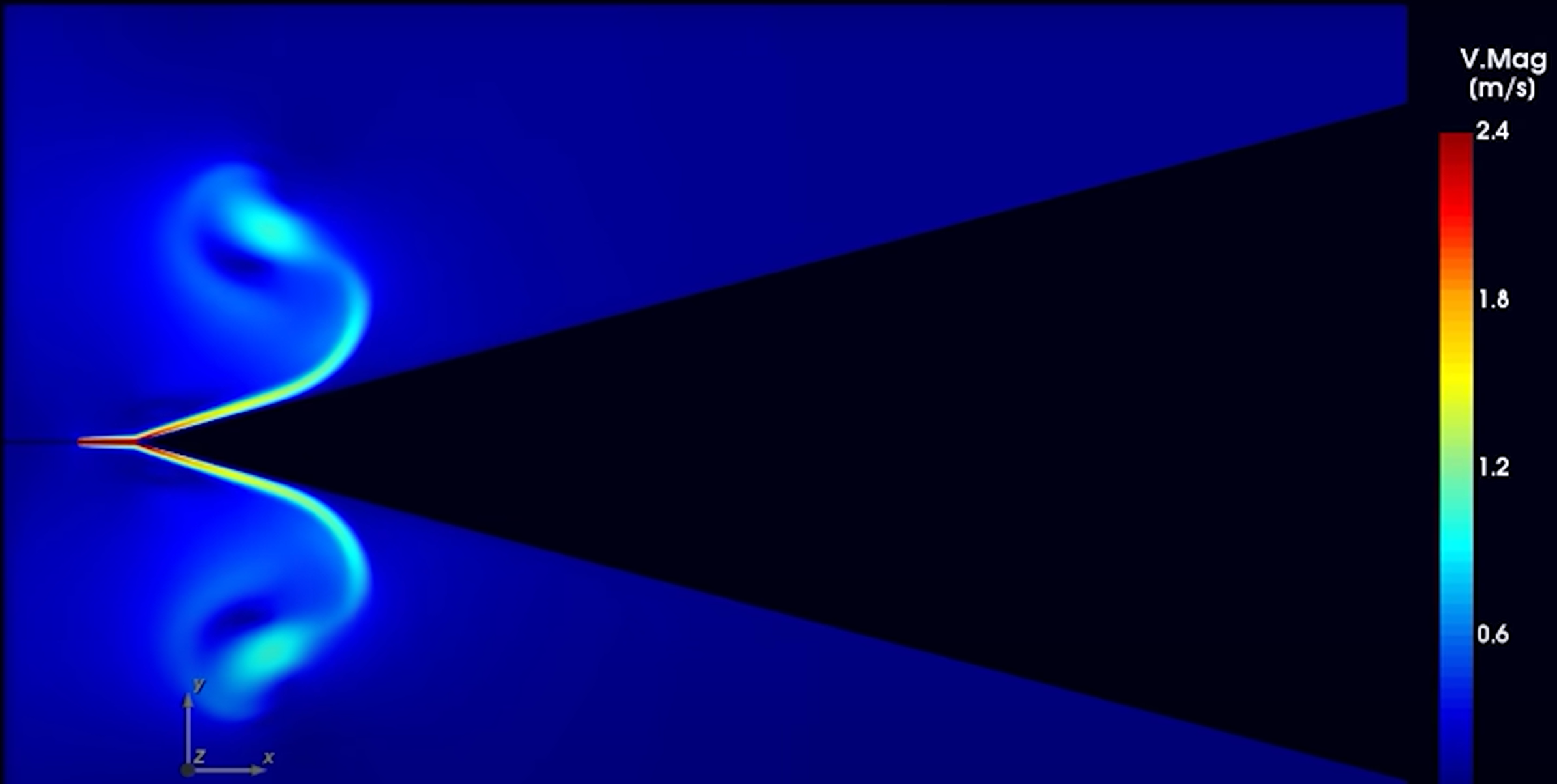
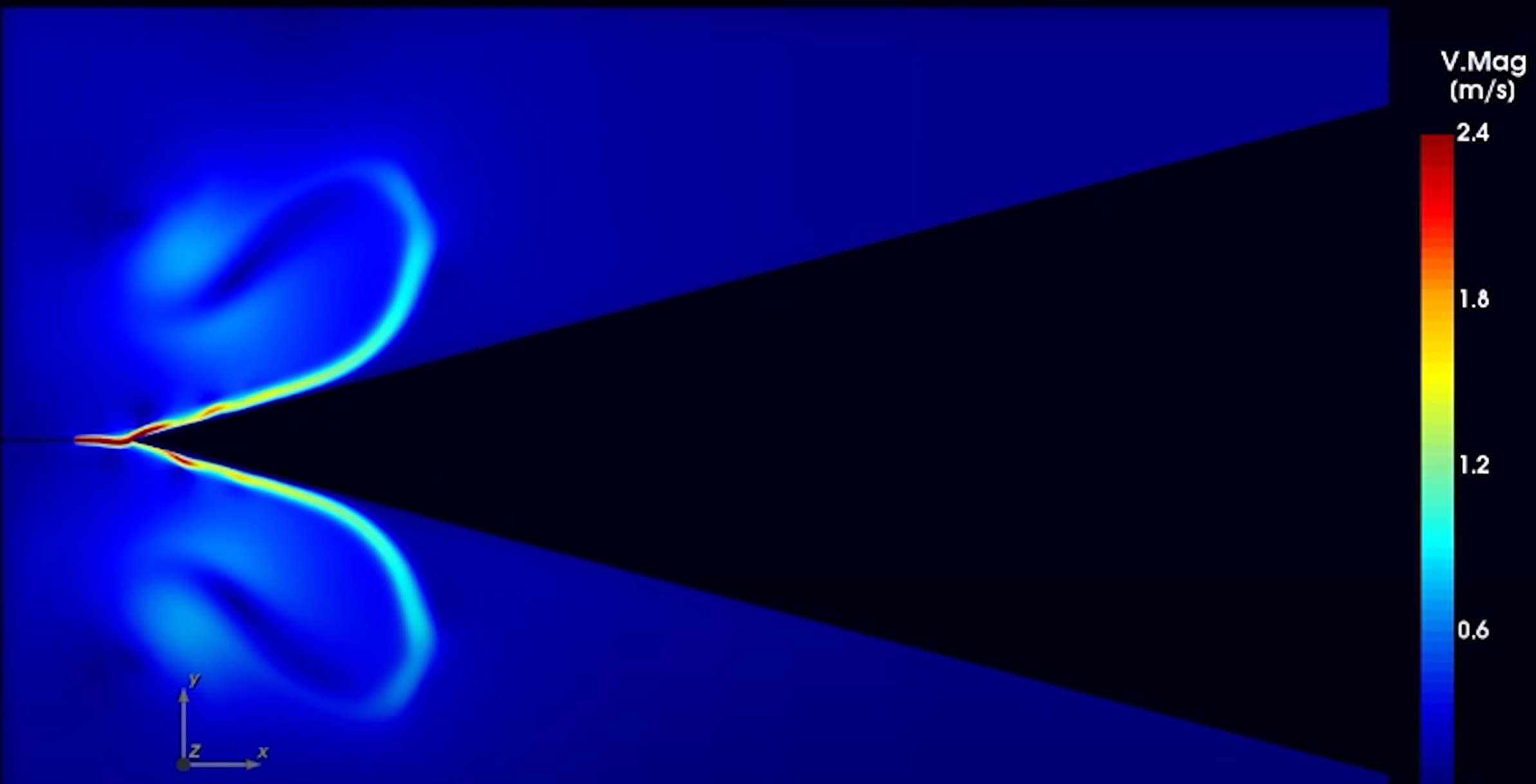
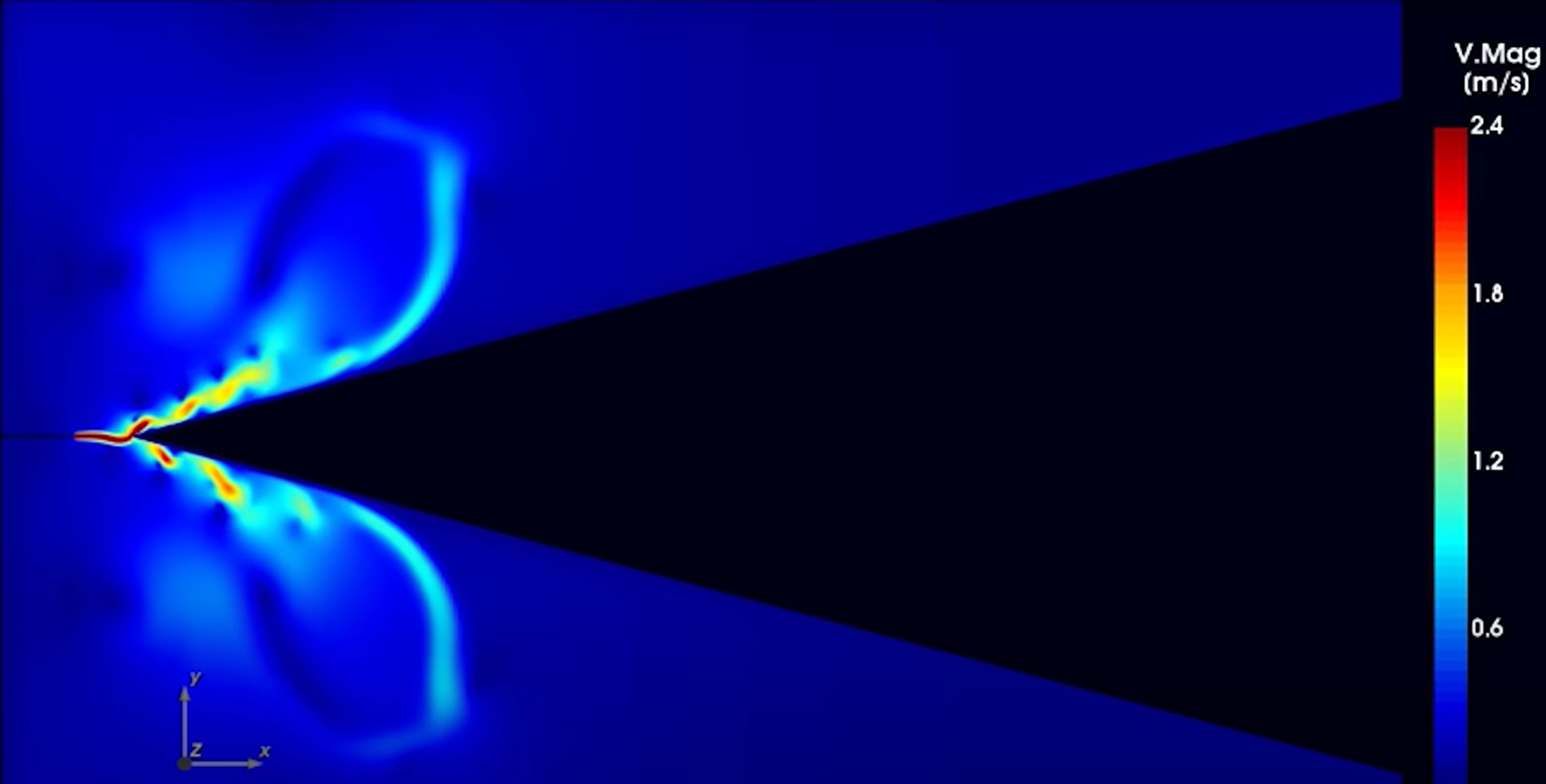
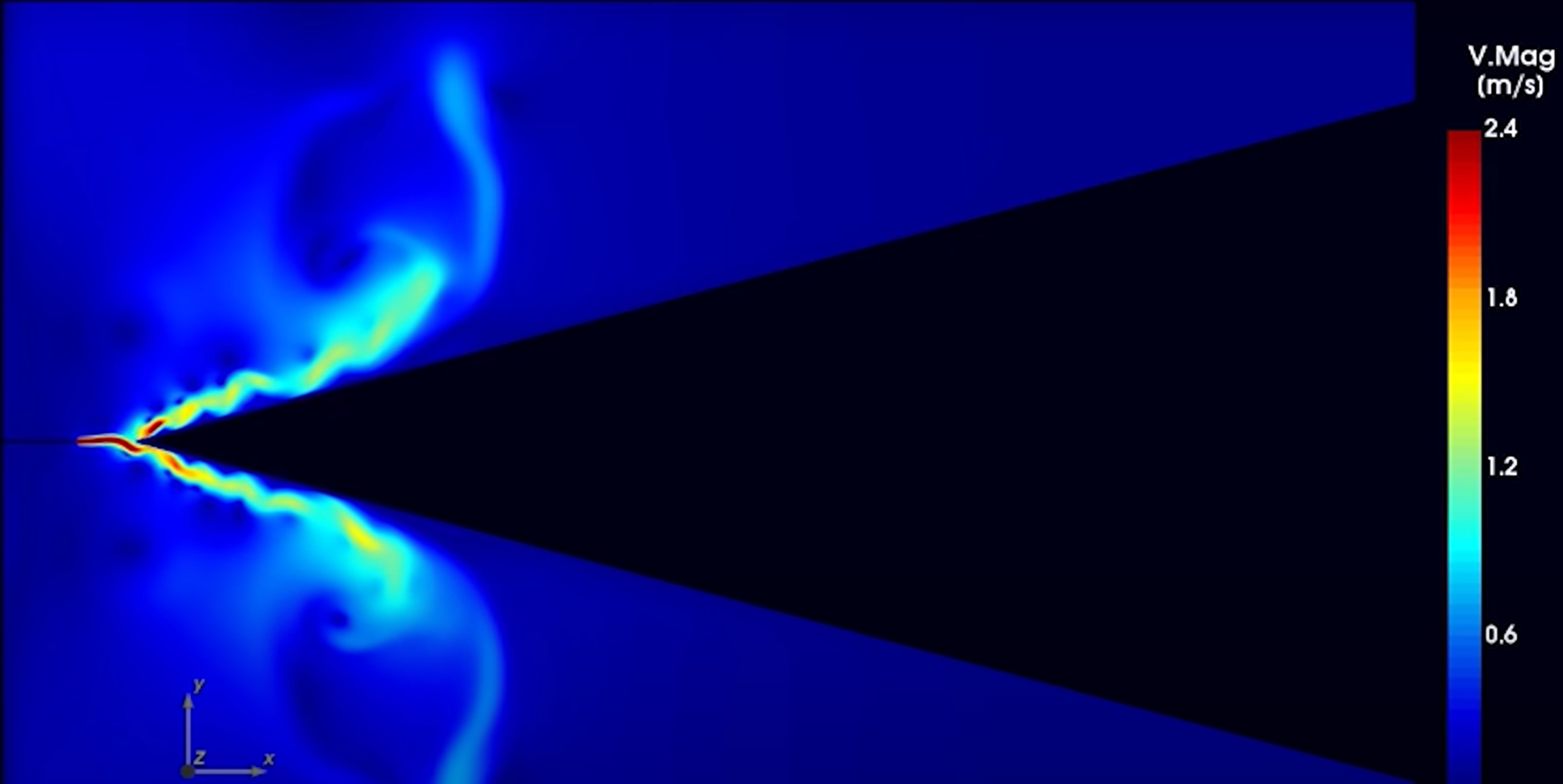
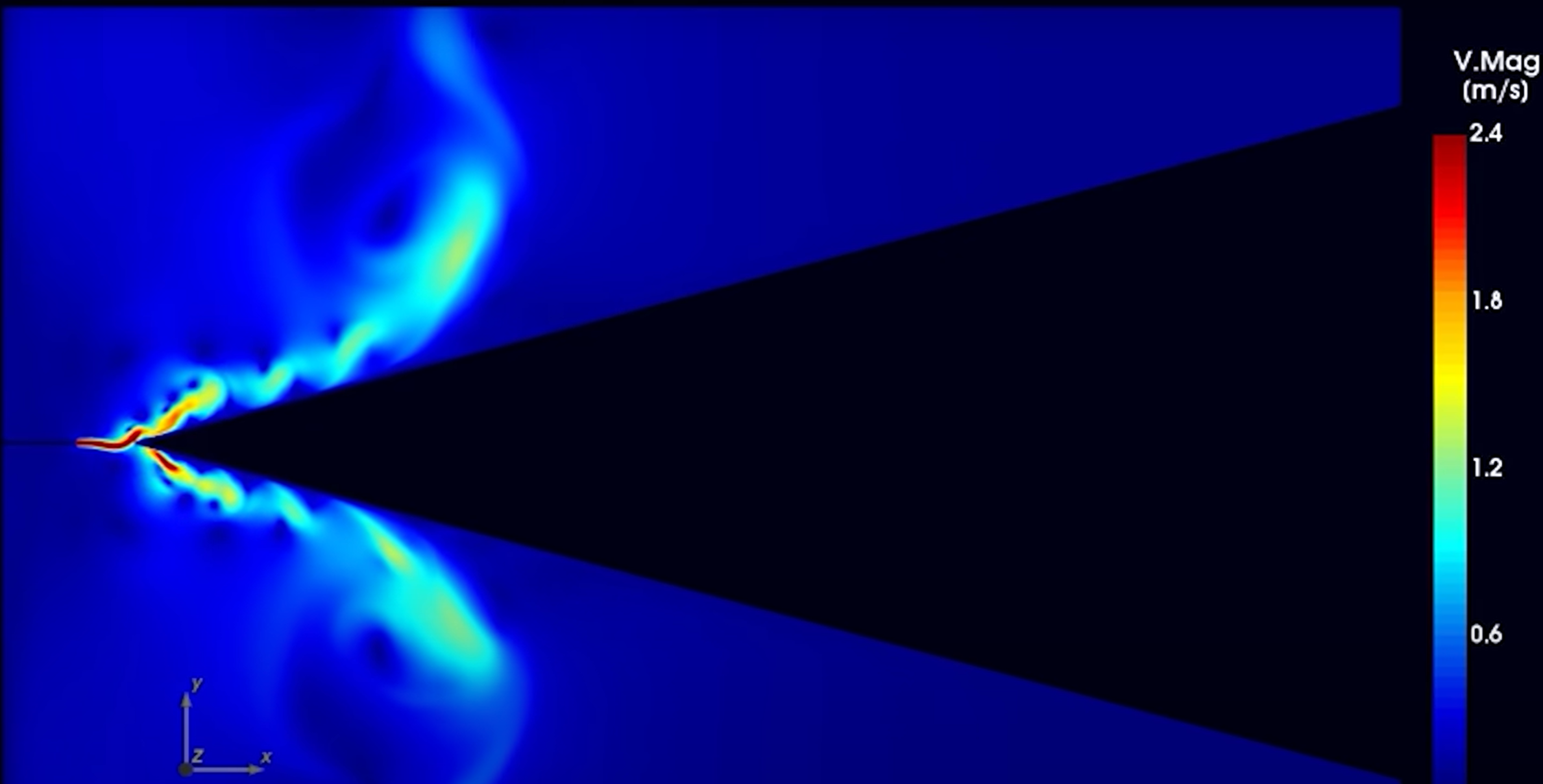
Phase 1. Initial Interaction with the WedgeAs the airstream approaches the wedge, it splits, with part of the air going above and part below. This split creates a small disturbance, starting the airflow oscillation.
Phase 2. Vortex SheddingAs the air moves around the wedge, small vortices (whirlpools of air) form on either side. These vortices alternate between the upper and lower sides of the wedge, causing airstream to move back and forth rapidly.
Phase 3. Airstream Flipping Back and ForthThis back-and-forth movement continues in a cycle, reinforcing the vortex shedding. The shifting air pressure creates sound waves, producing the whistling sound.
How is the whistle sound produced?
What determines the change in the pitch of the whistle?




Airstream enter cavity
Initial Airstream and Pressure Build-up: As the airstream enters the cavity and is directed below the wedge, it causes an increase in pressure within the cavity. The air inside the cavity acts as an elastic medium, meaning it behaves like a spring. As the pressure builds, the elastic air pushes back against the wedge.


Forces the airstream to above
Pressure Release and Airstream Redirection: Once the pressure inside the cavity reaches a certain point, it forces the airstream to be redirected above the wedge. This redirection reduces the pressure inside the cavity, as the air in the cavity expands due to its spring-like nature. The reduced pressure then pulls the airstream back down below the wedge, repeating the cycle.
Phase 1
Phase 2
Phase 3
Yanxi Feng
Up-to-date as of Nov 13. 2024

Credits
Tutor: Gary Hsieh