Home
Projects
Whistle

BirthAid
Hippo Ad
Crack the Kiln
Say Hi
Dragon
Love
Docdocy
Bed frame
Yanxi Feng
Up-to-date as of Nov 13. 2024

competitive analysis
To investigate existing products and find unsolved problems, we analyzed birthing related guidance websites and birthing related physical products.
Most products are mainly designed for normal childbirth. These products are generally used before or after childbirth to detect the physical condition of pregnant women and babies, analyze data, and draw conclusions for users or doctors.
However, there are almost no products for emergency or autonomous childbirth.
summary:


10
5
0
price
function
Ease of operation
intimacy
instructive


physical product


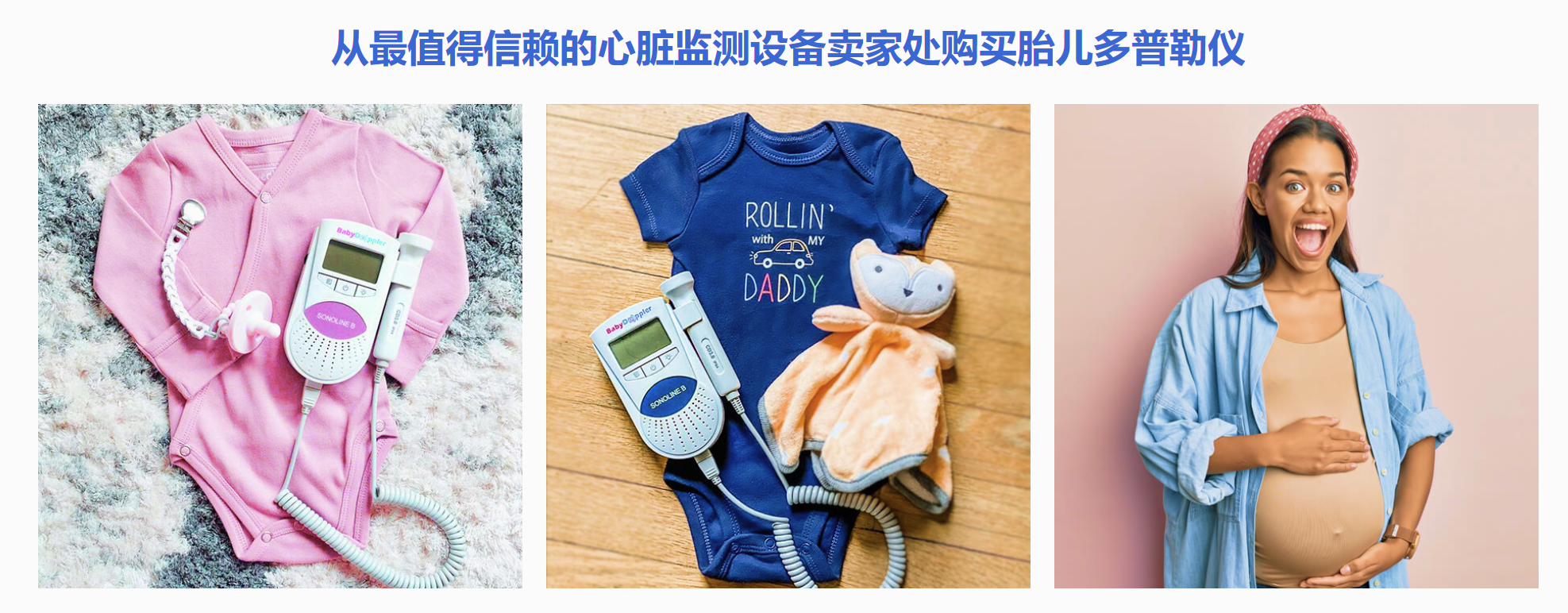
Baby Doppler

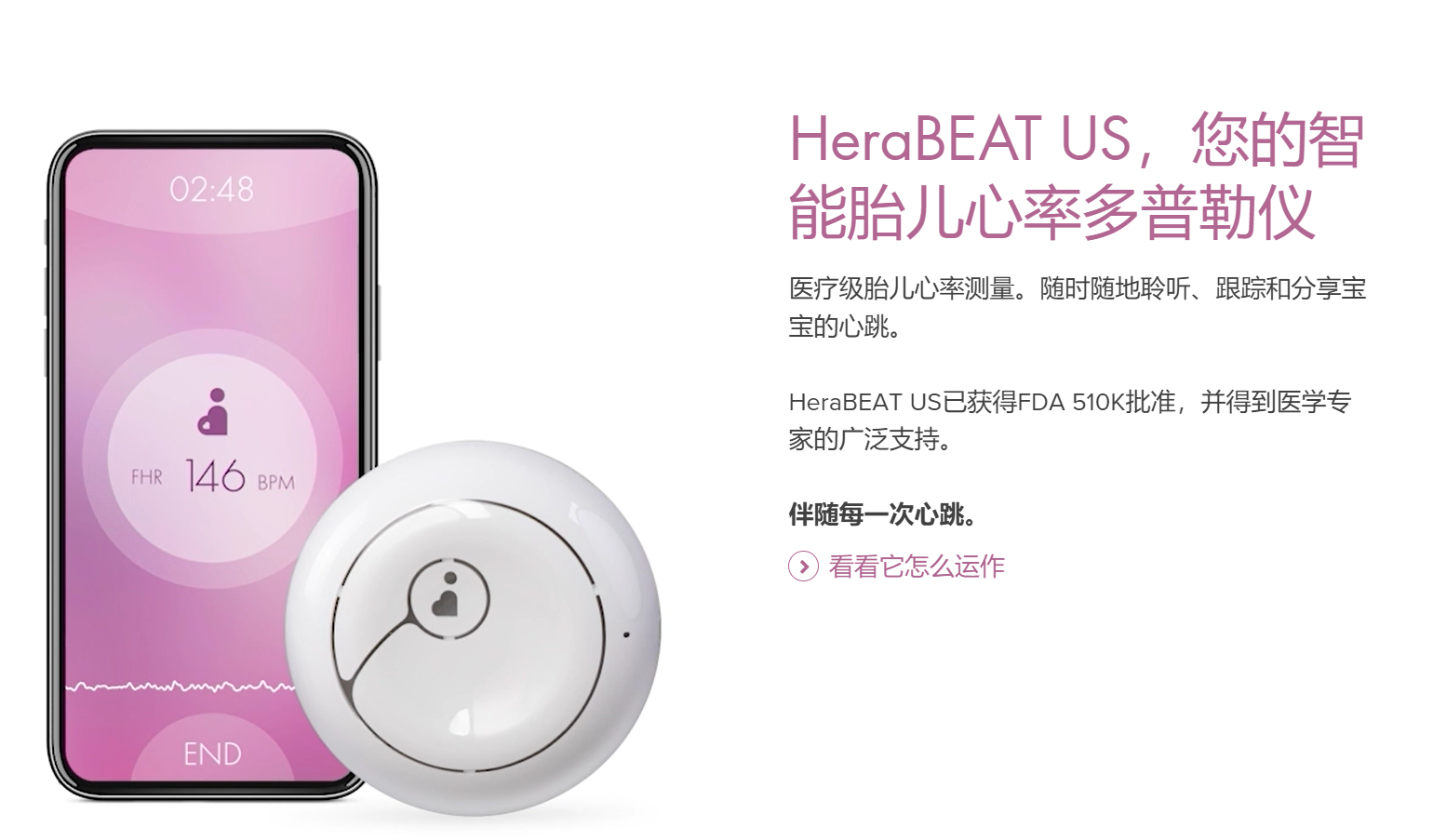
HeraBEAT

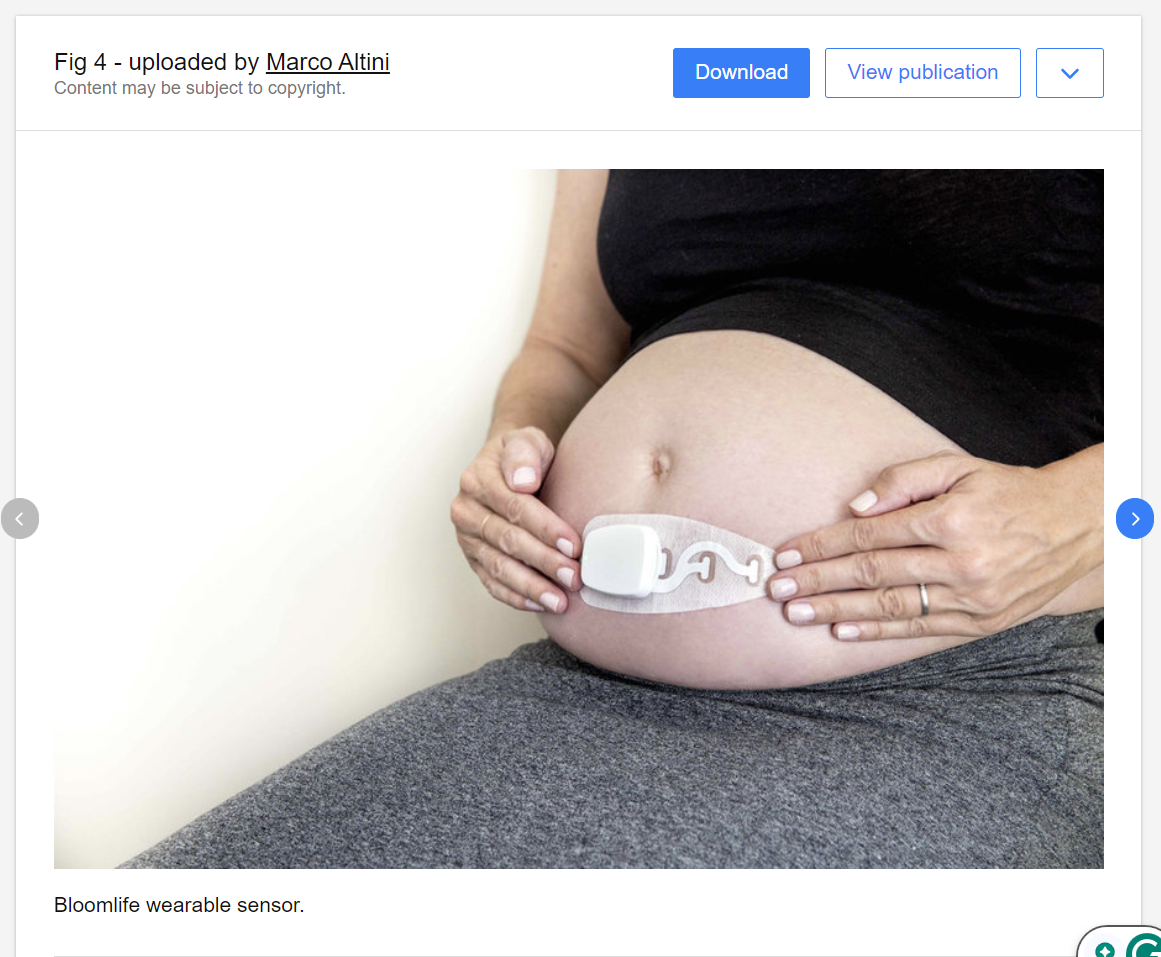
Bloomlife

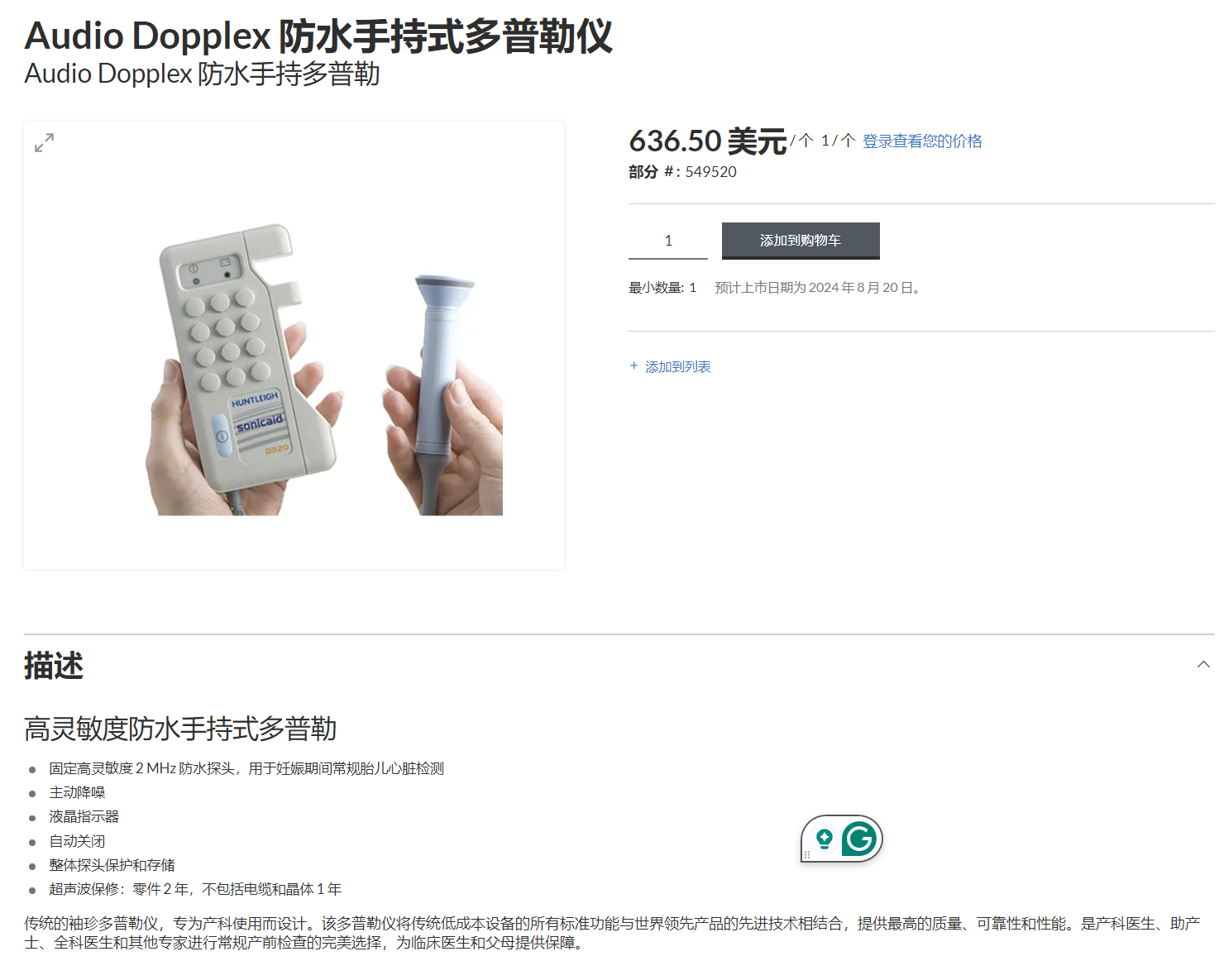
audio dopplex
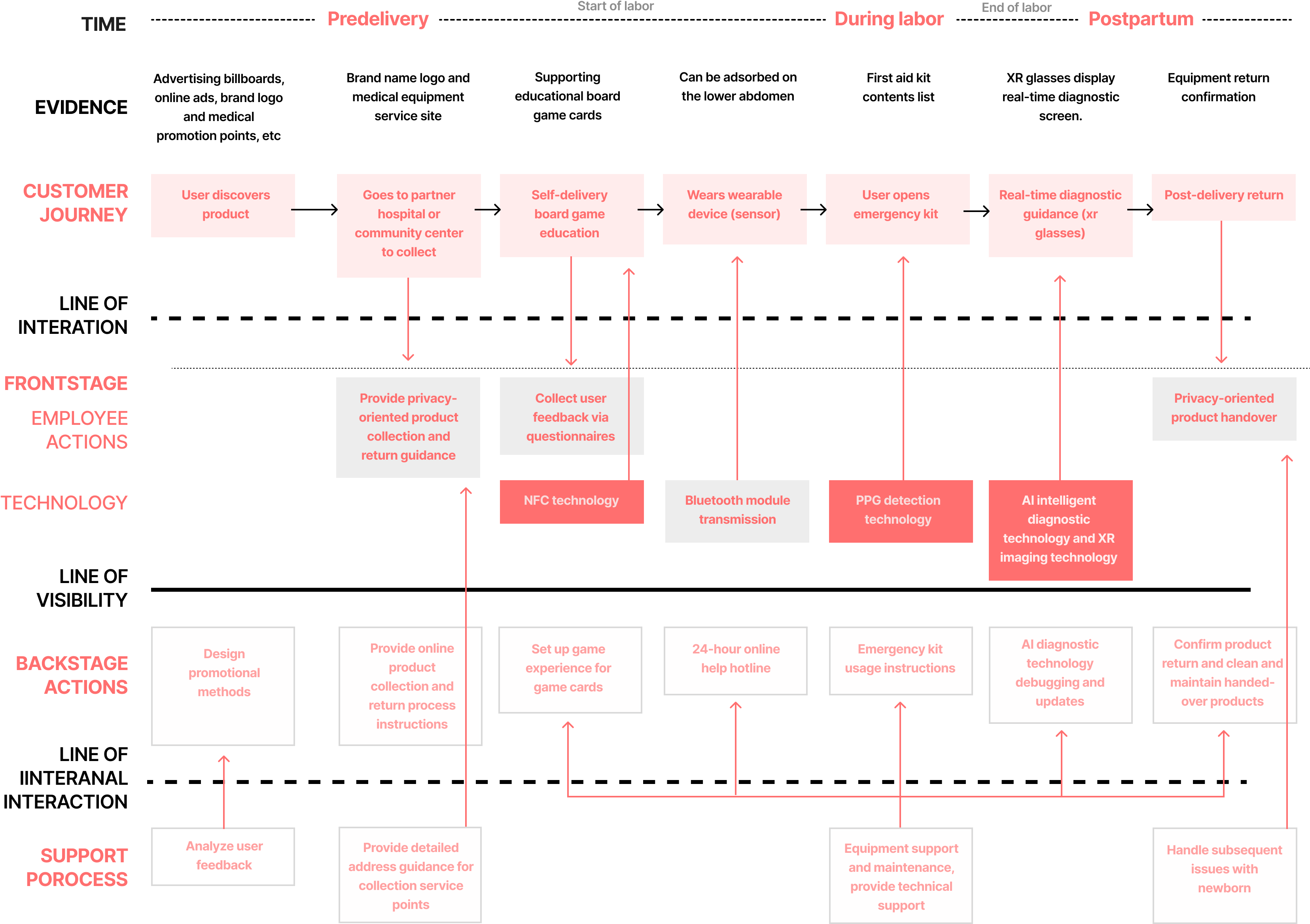
Service Blueprint
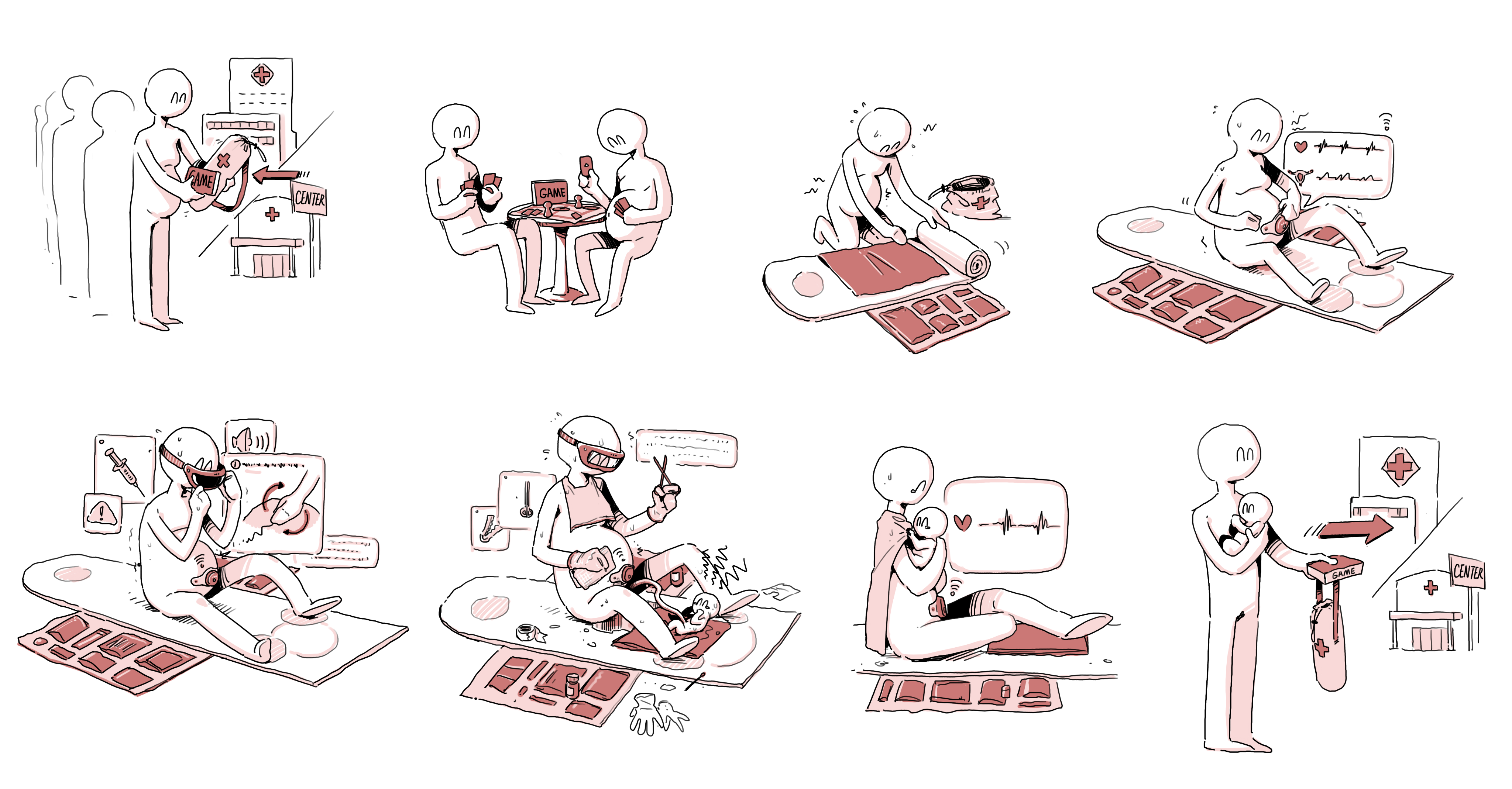
Story Board
Team
Receive products at partner hospitals or community centers
Labor begins. Open the first aid kit
Wear the sensor to monitor the situation
Wear XR guide glasses
Graphic Design / Sketches: Caroline Qian
Interactive Design: Bokun Ren
Delivery, real-time monitoring and guidance
Complete delivery, postpartum care

UNESCO-SDGs Competition 2024 - BirthAid
Summer 2024
Project Description
BirthAid is a set of tools that helps women give birth safely when they cannot reach a hospital. It includes smart XR glasses that show step-by-step instructions, and a first aid kit mat with all the basic medical tools needed for delivery. Together, they guide, monitor, and support mothers during unassisted childbirth, making the process safer and easier.
My Role
Physical computing and UX design
Background
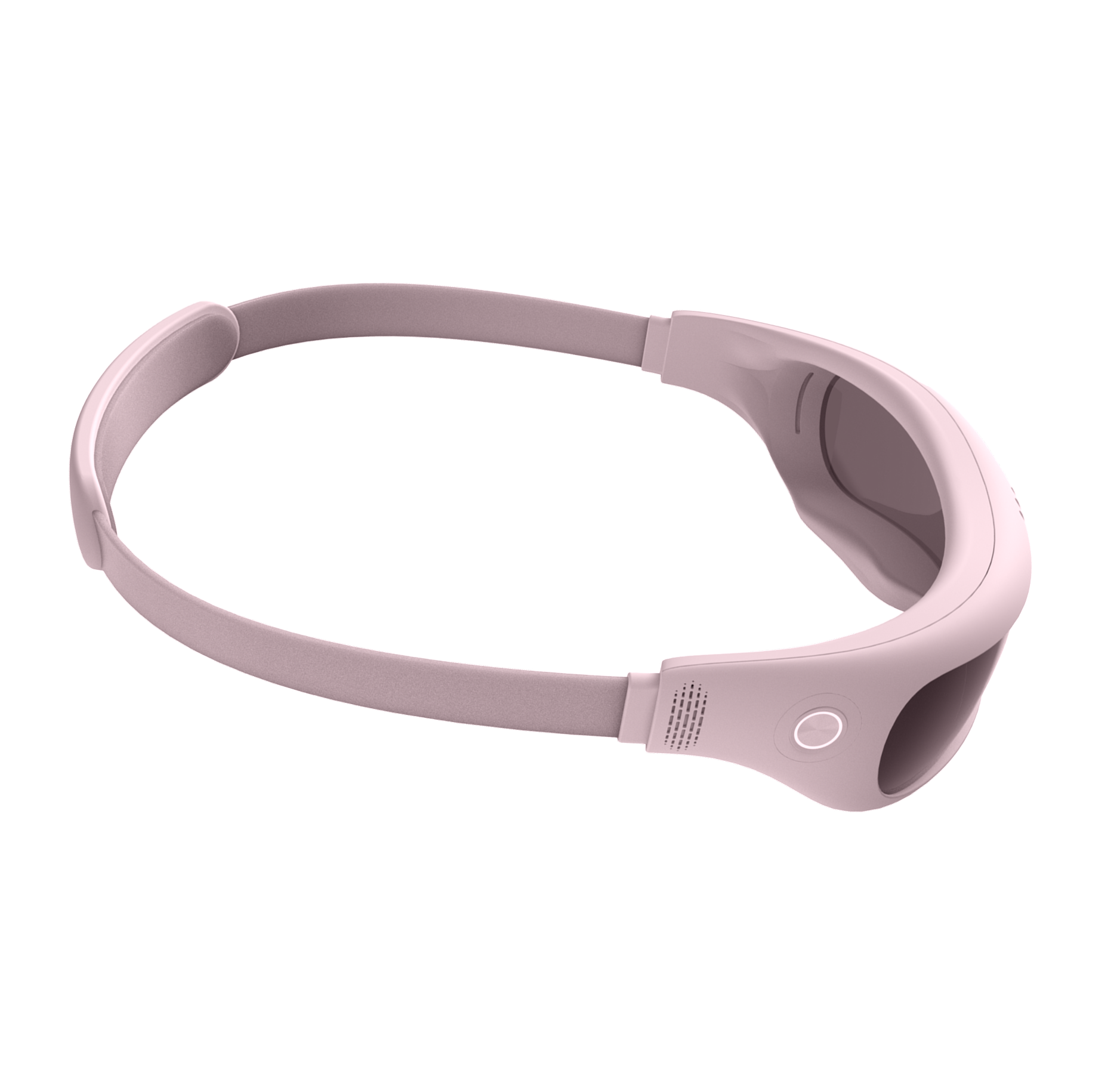
BirthAid Kit Rendering
At a time when the death rate during childbirth is already high, there are still some people who choose to give birth spontaneously because they do not have access to formal medical care. Life, regardless of group, should be properly assisted and protected during childbirth. This project is based on this need and aims to provide the support and guidance necessary to ensure that every life can be born in a safe environment.



180CM


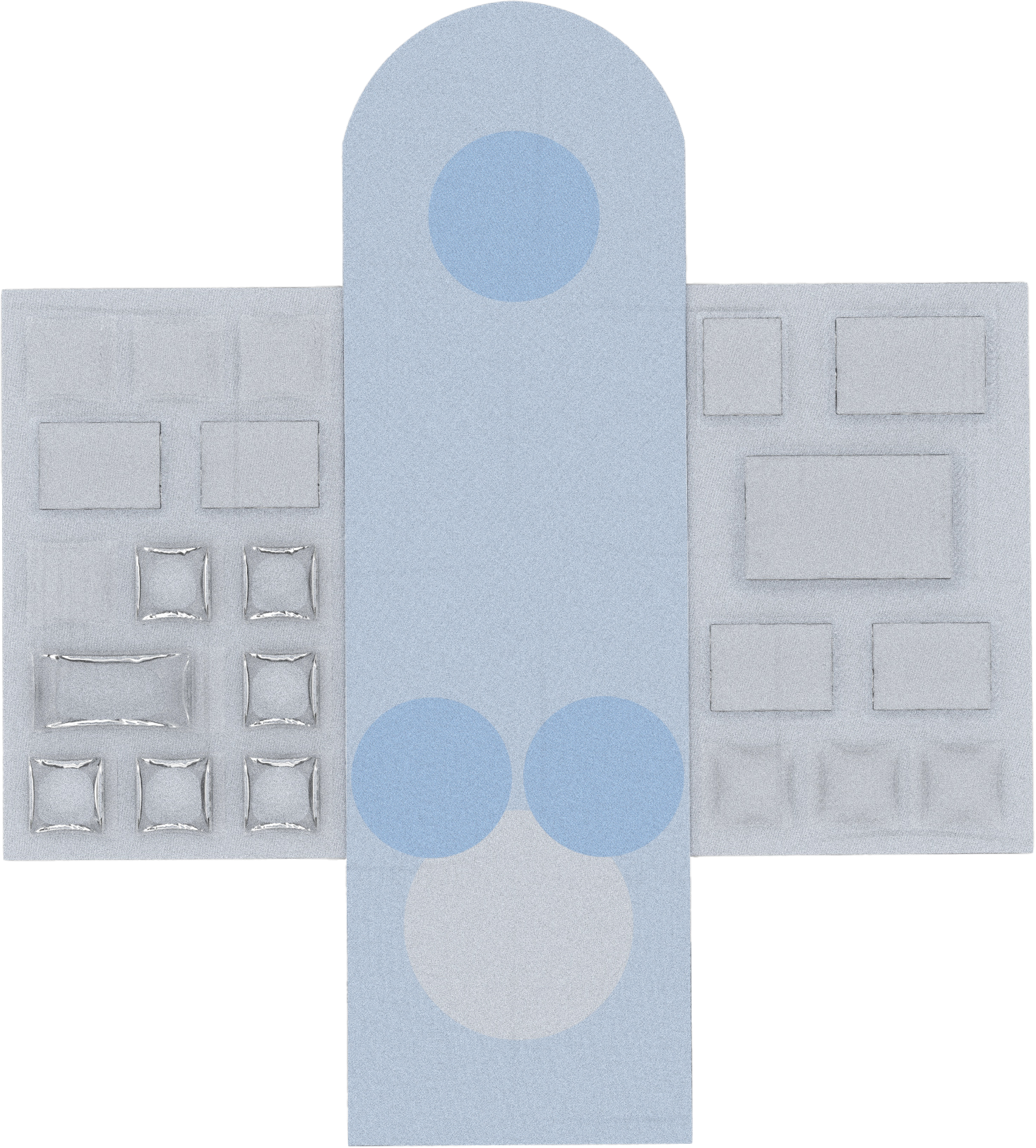

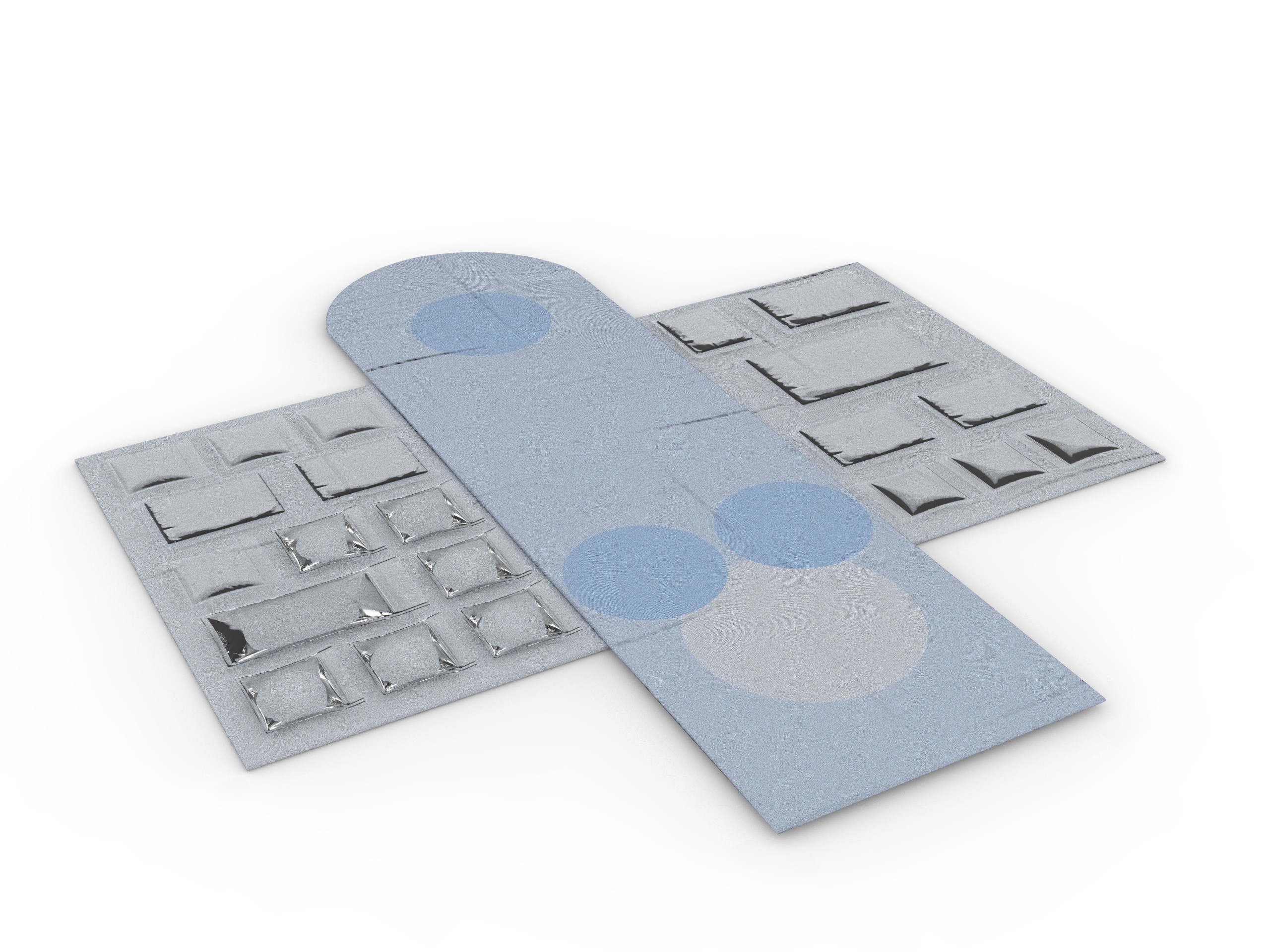
The top of the OB pad is rounded to indicate the position of the head.


60CM
60CM


Glasses and wearable sensors are included in the first aid kit.


Except for the glasses and sensors, all items are medical devices for childbirth.
200CM


The small blue circle and large white circle show the position for squatting during birth.

The right area contains delivery equipment, arranged in the order of use during childbirth.


BirthAid Kit Feature
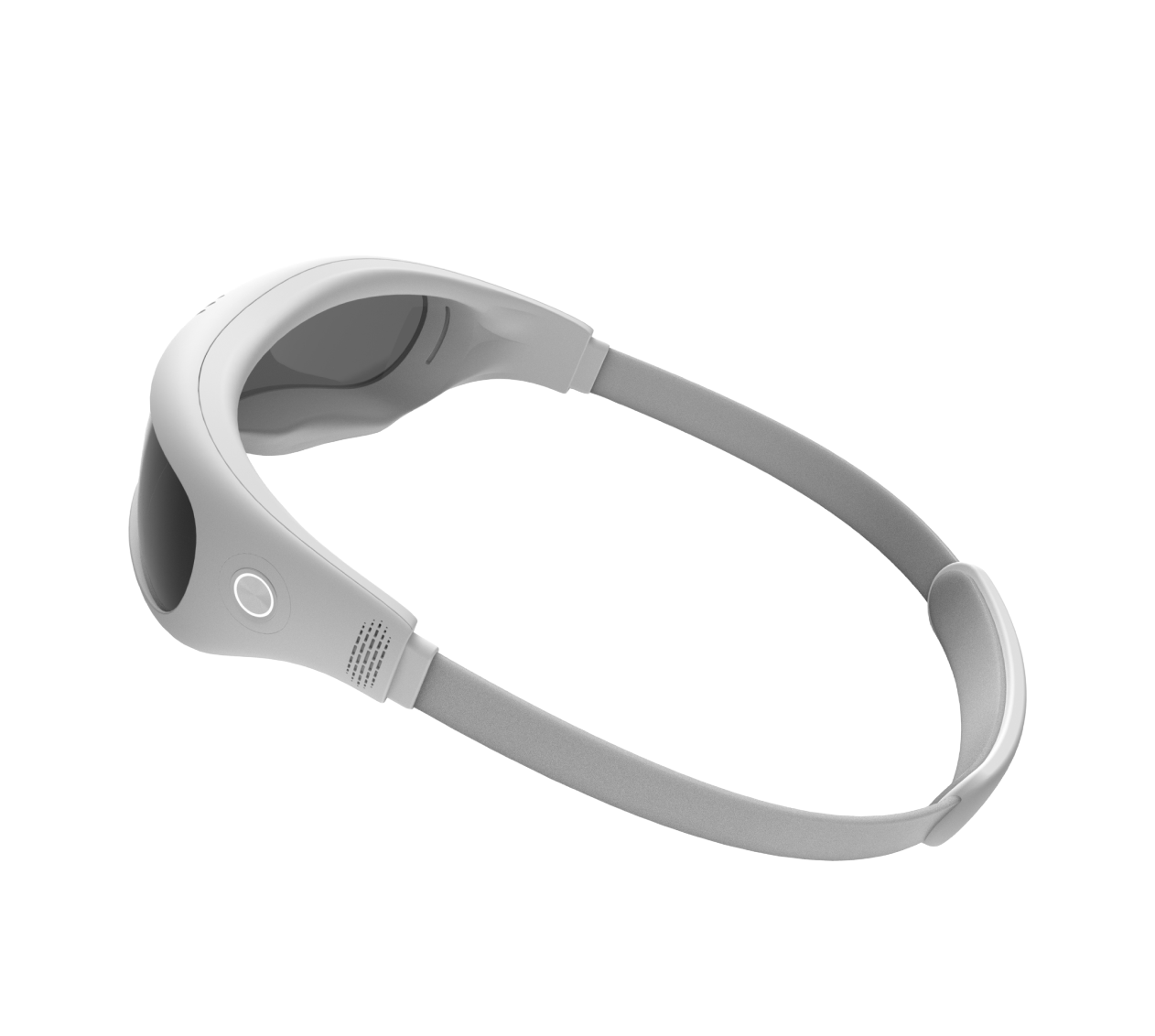

XR glass Features + Rendering
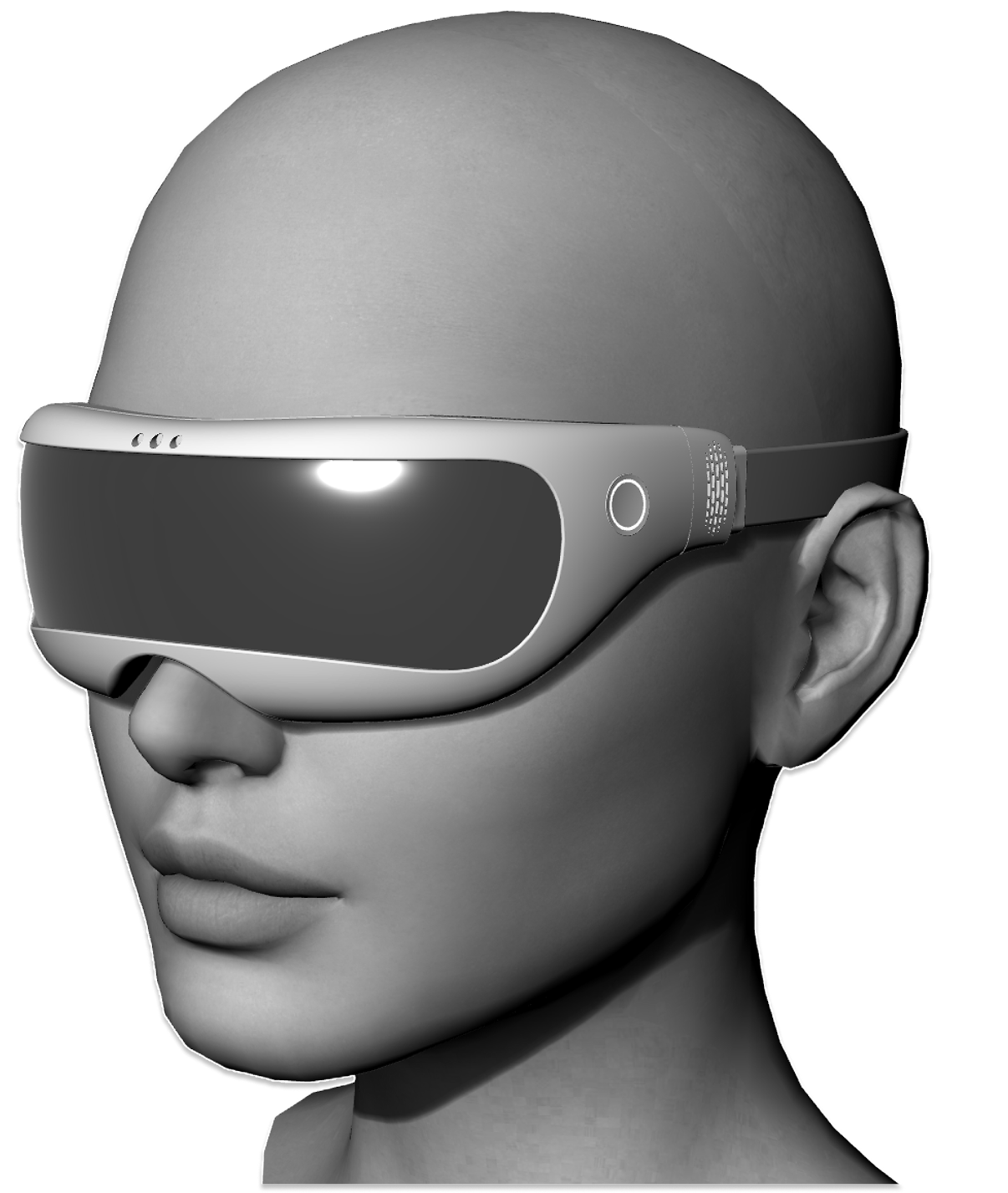
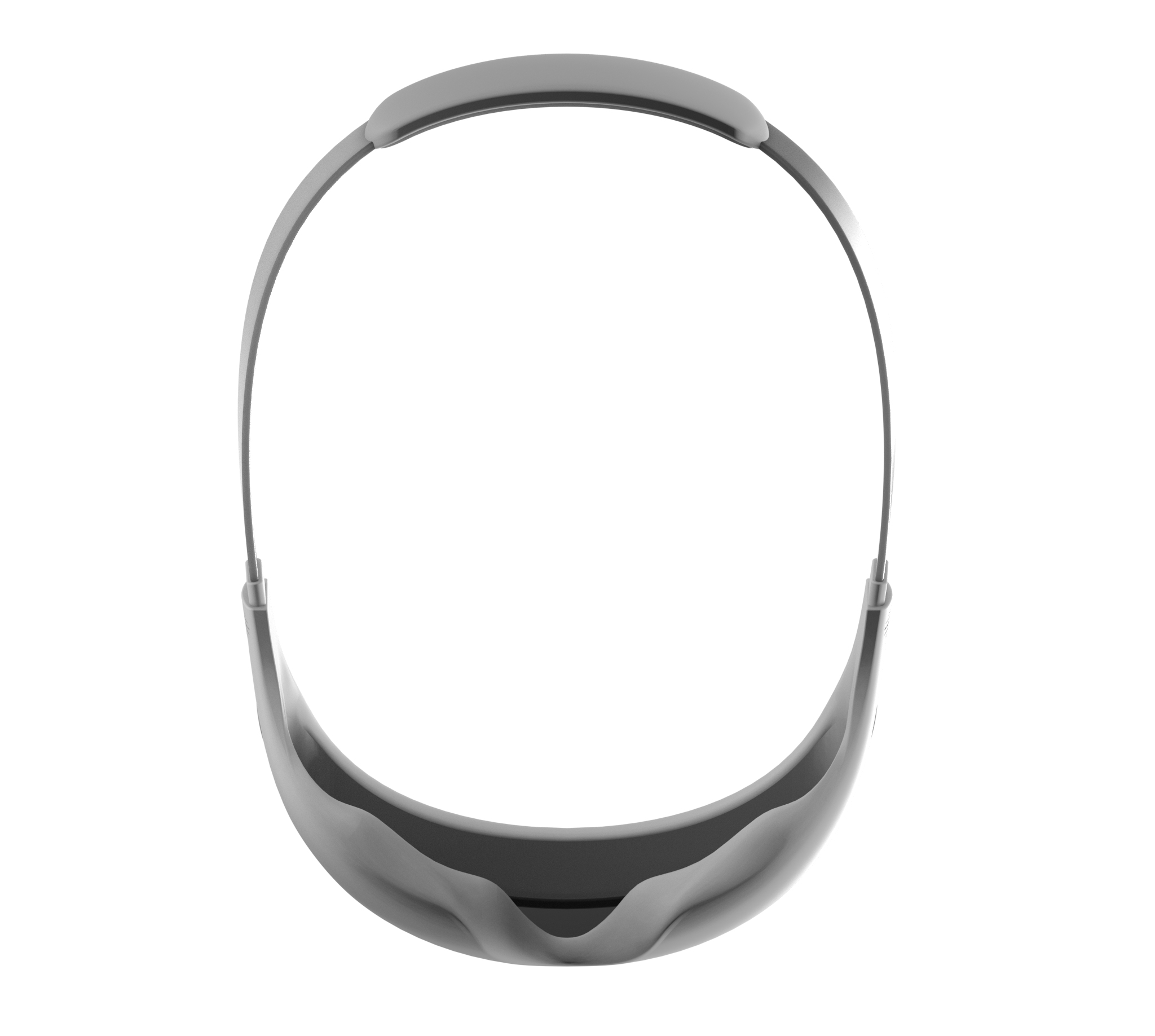
Our maternity assistance XR glasses use a low-cost transparent OLED display to show simple images and interactions that help pregnant women with unassisted childbirth. These glasses integrate a camera and speaker to provide all necessary interactive functions in one device. To ensure sustainability, we focused on low-cost designs that effectively assist pregnant women while also prioritizing wearability and aesthetic appeal, making the product suitable for expectant mothers.
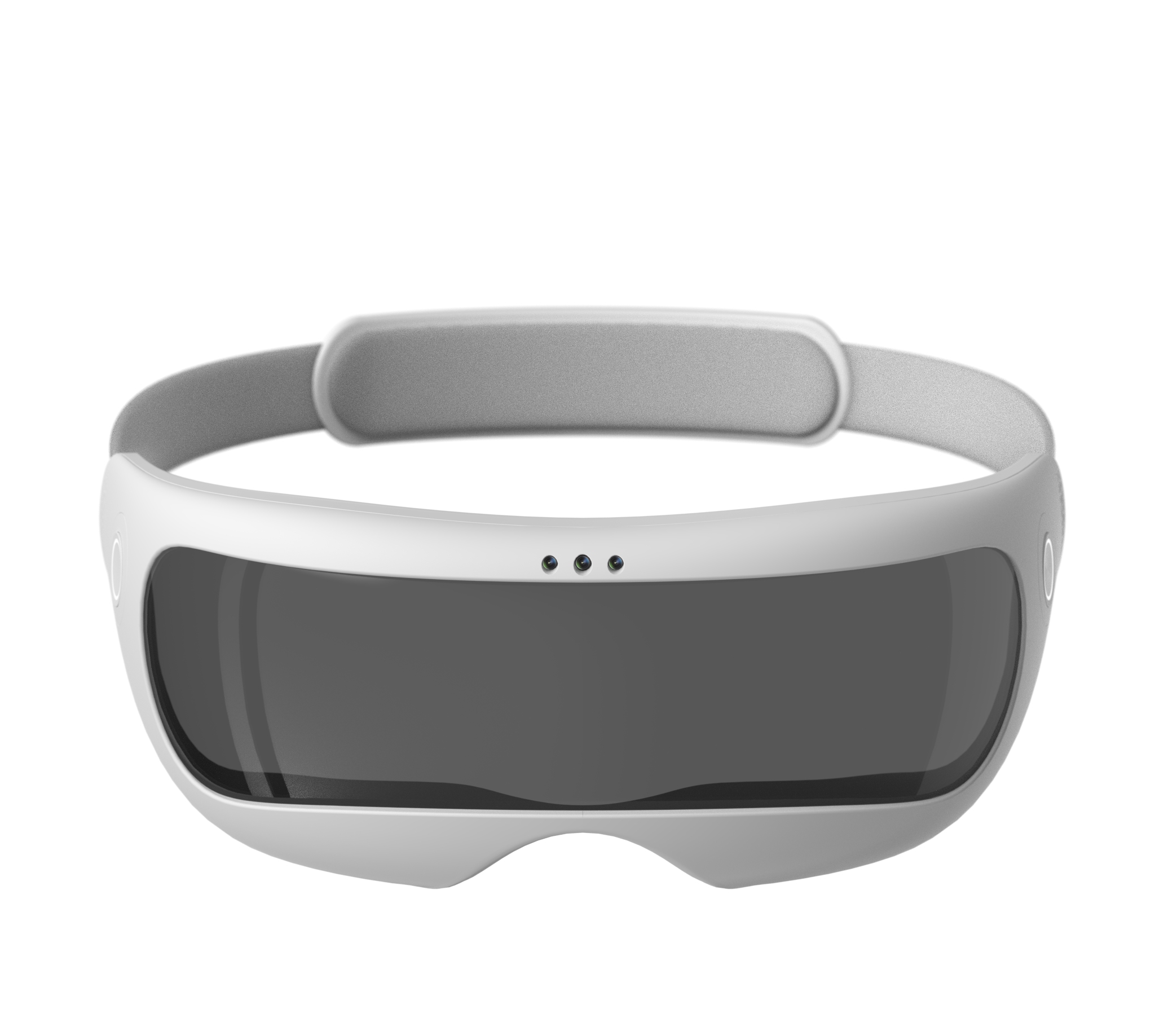
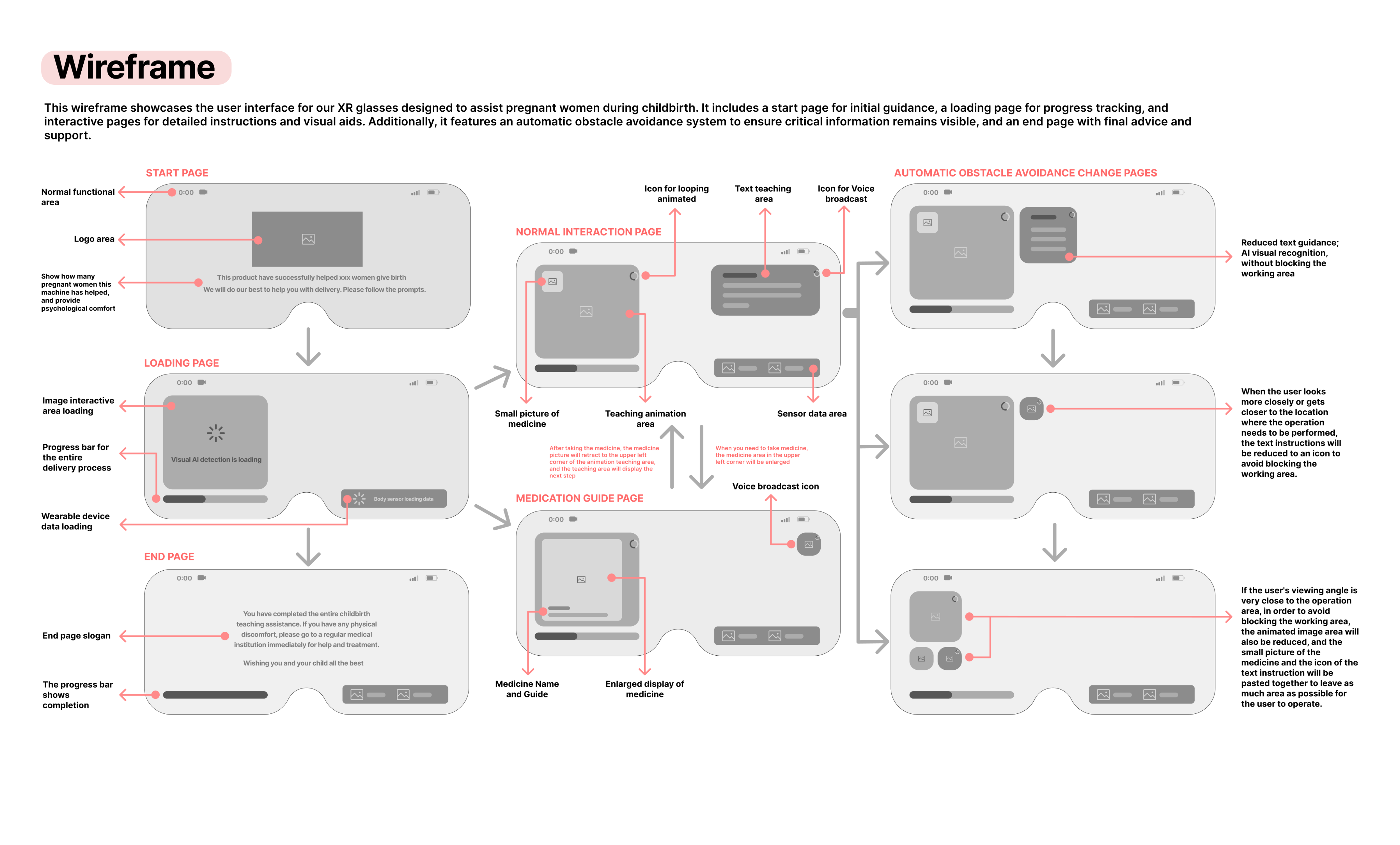
Voice Interaction Module
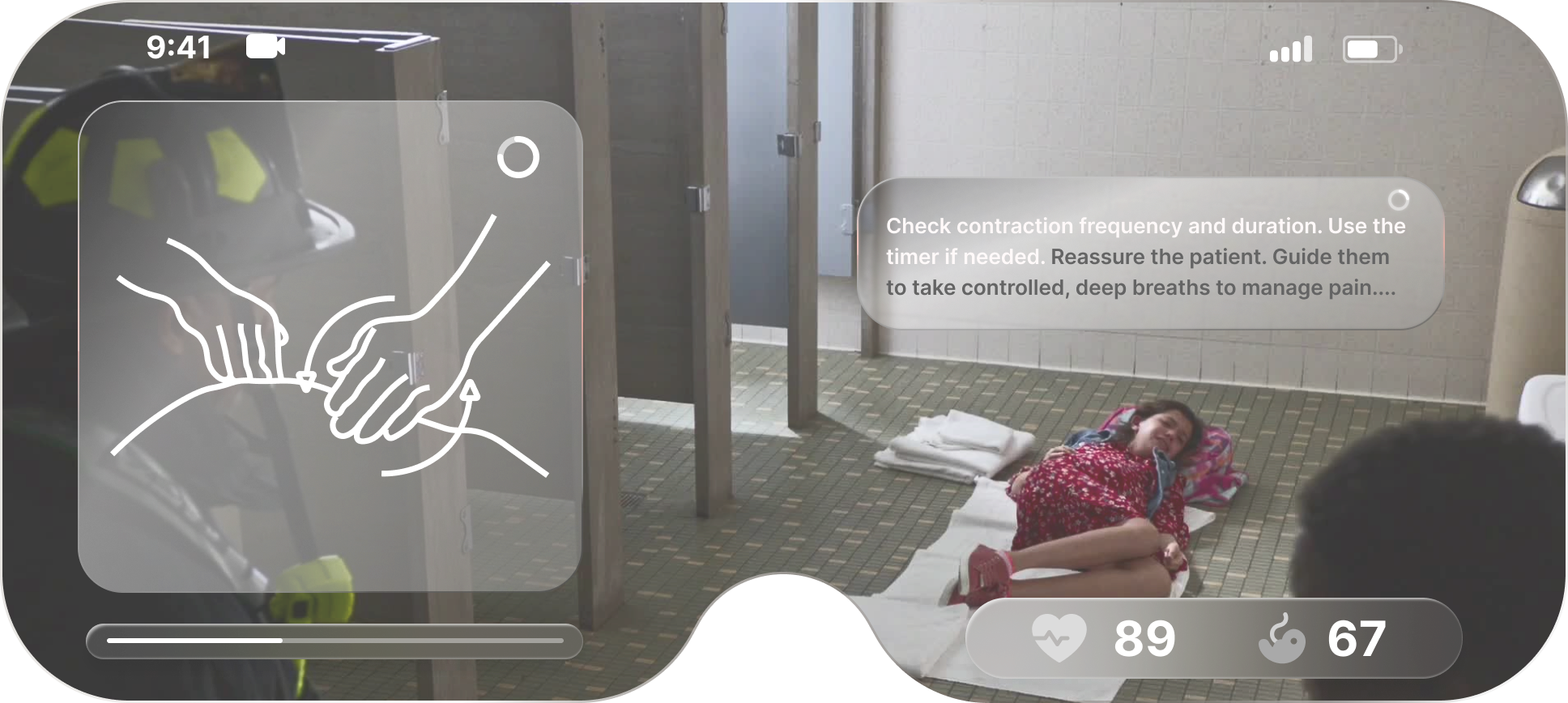
The voice interaction module plays audio to assist the woman in labor. It uses data from wearable sensors and camera recognition to provide matching voice guidance, mimicking the instructions a healthcare professional would give to support the childbirth process.

Camera Module


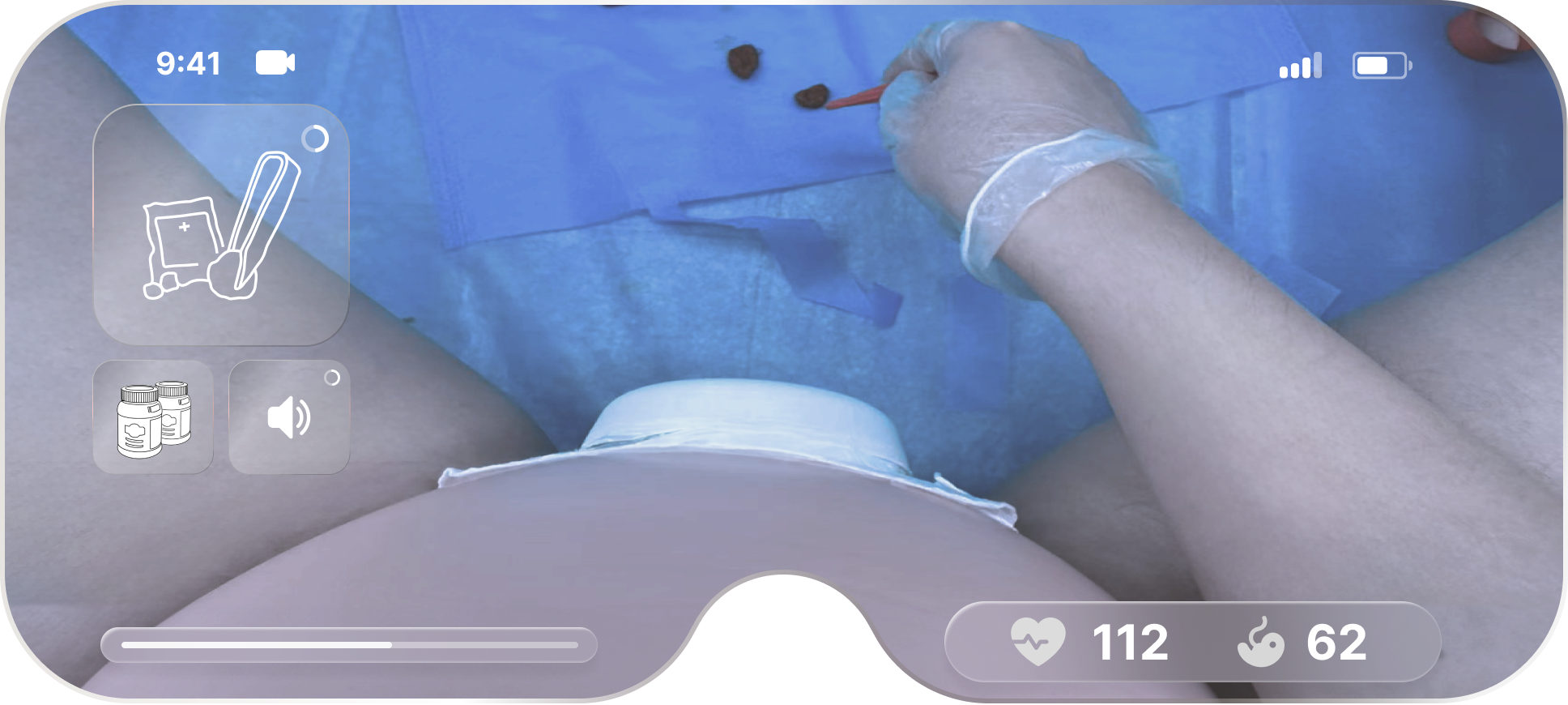
The camera is used for AI visual analysis to determine the stage of labor the woman is in and what assistance she needs. The analysis results are converted into animated icons displayed on the screen to guide the woman through the process, with corresponding voice instructions.
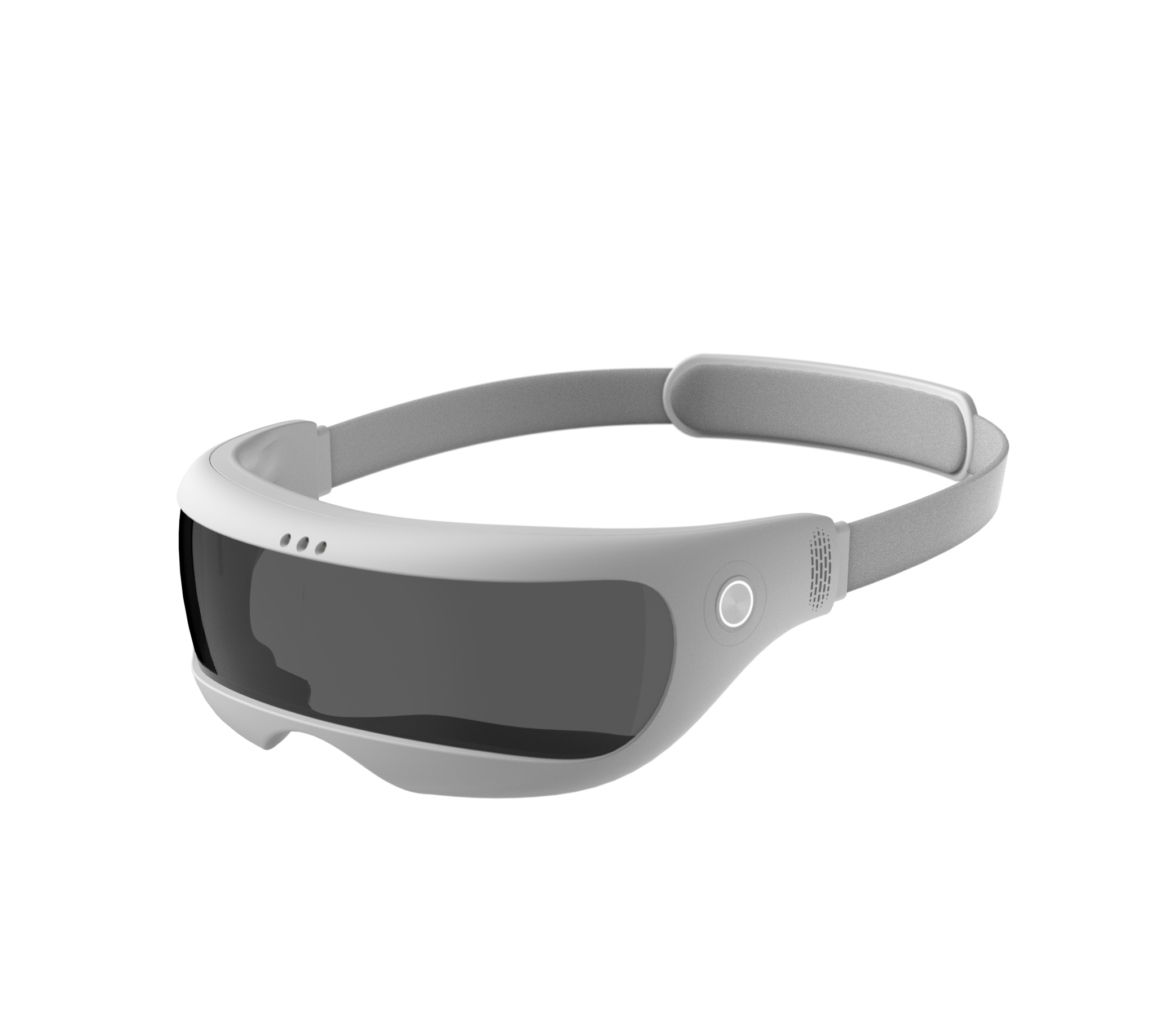


Transparent Screen Module

The transparent OLED screen displays simple animated icons to assist pregnant women during childbirth. It also shows various device information and sensor data from sensors worn on the mother's abdomen.
Glasses System Wireframe (UX Design)
In the product outcome section, I will present three products, showcasing their technology research, prototyping process, and final features.
Research Process

Sketches
XR glasses and a first aid kit.
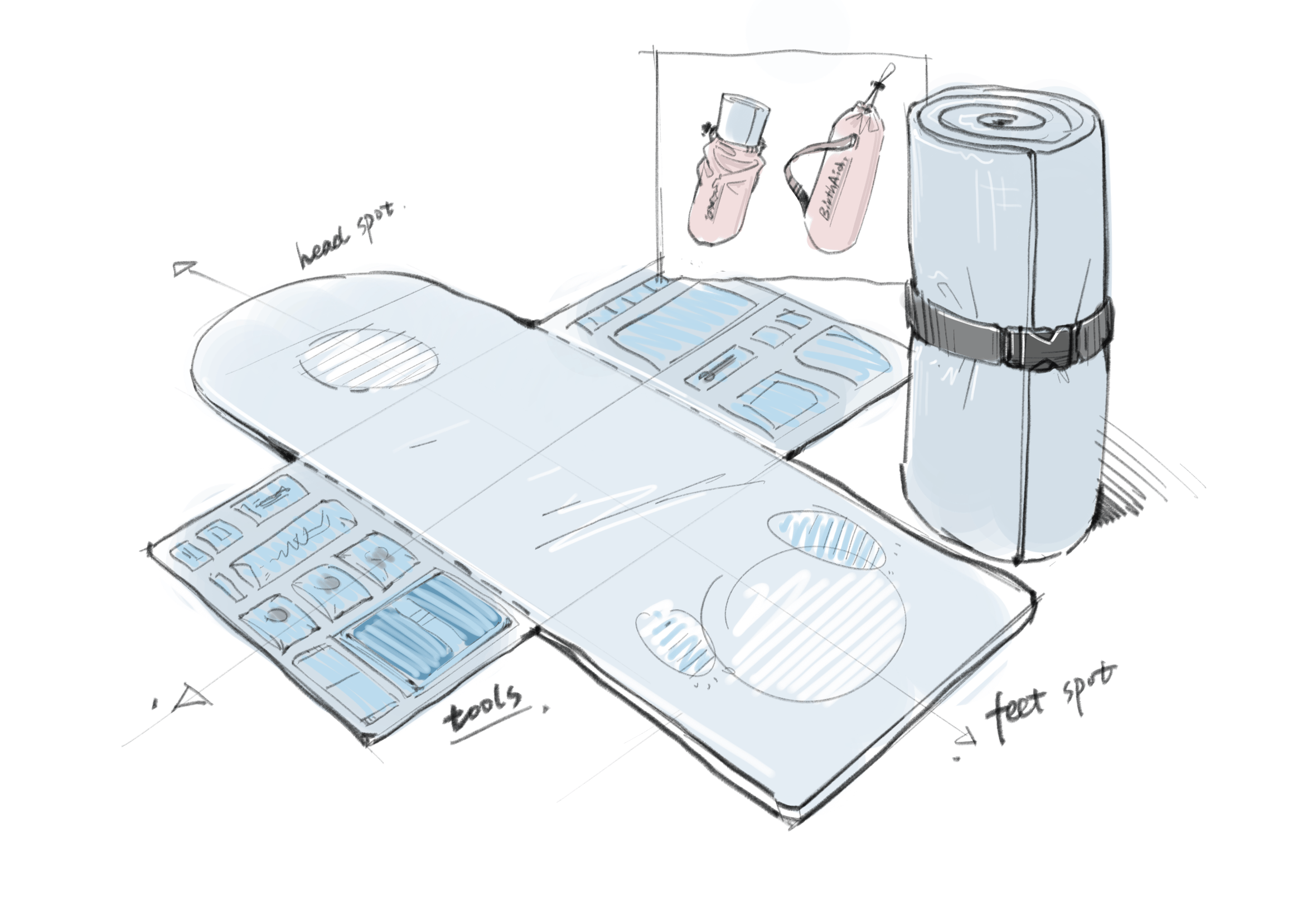
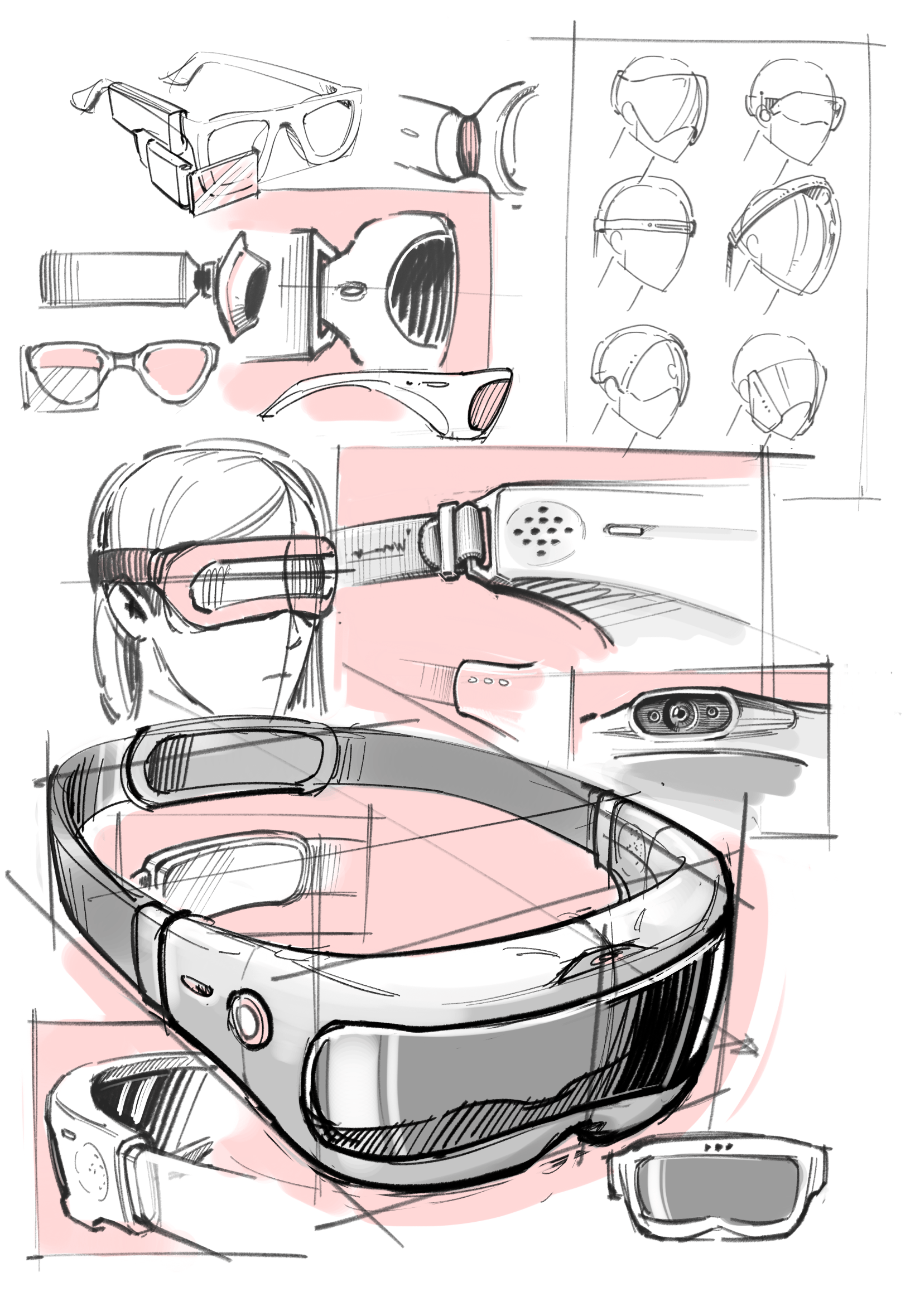
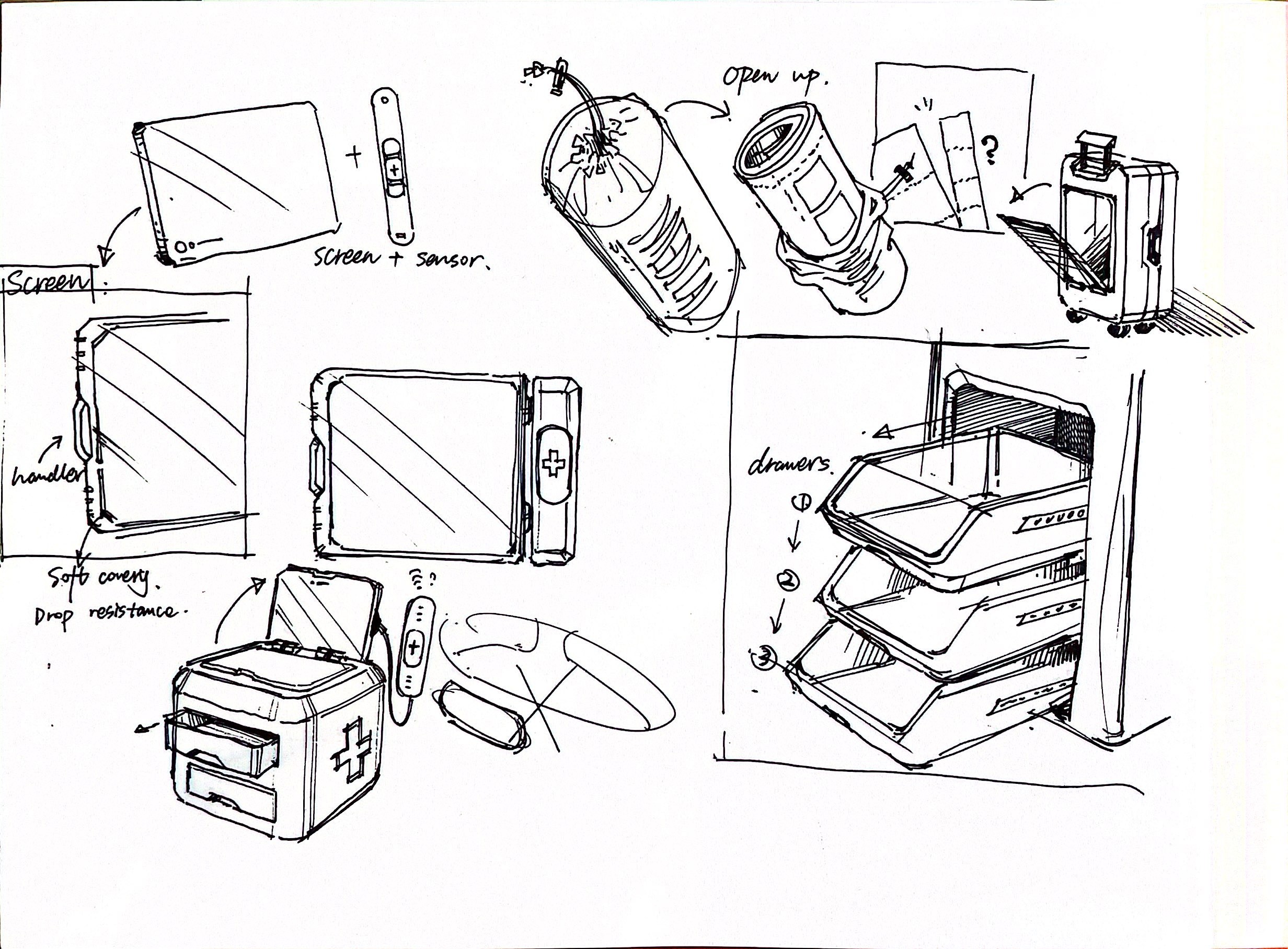
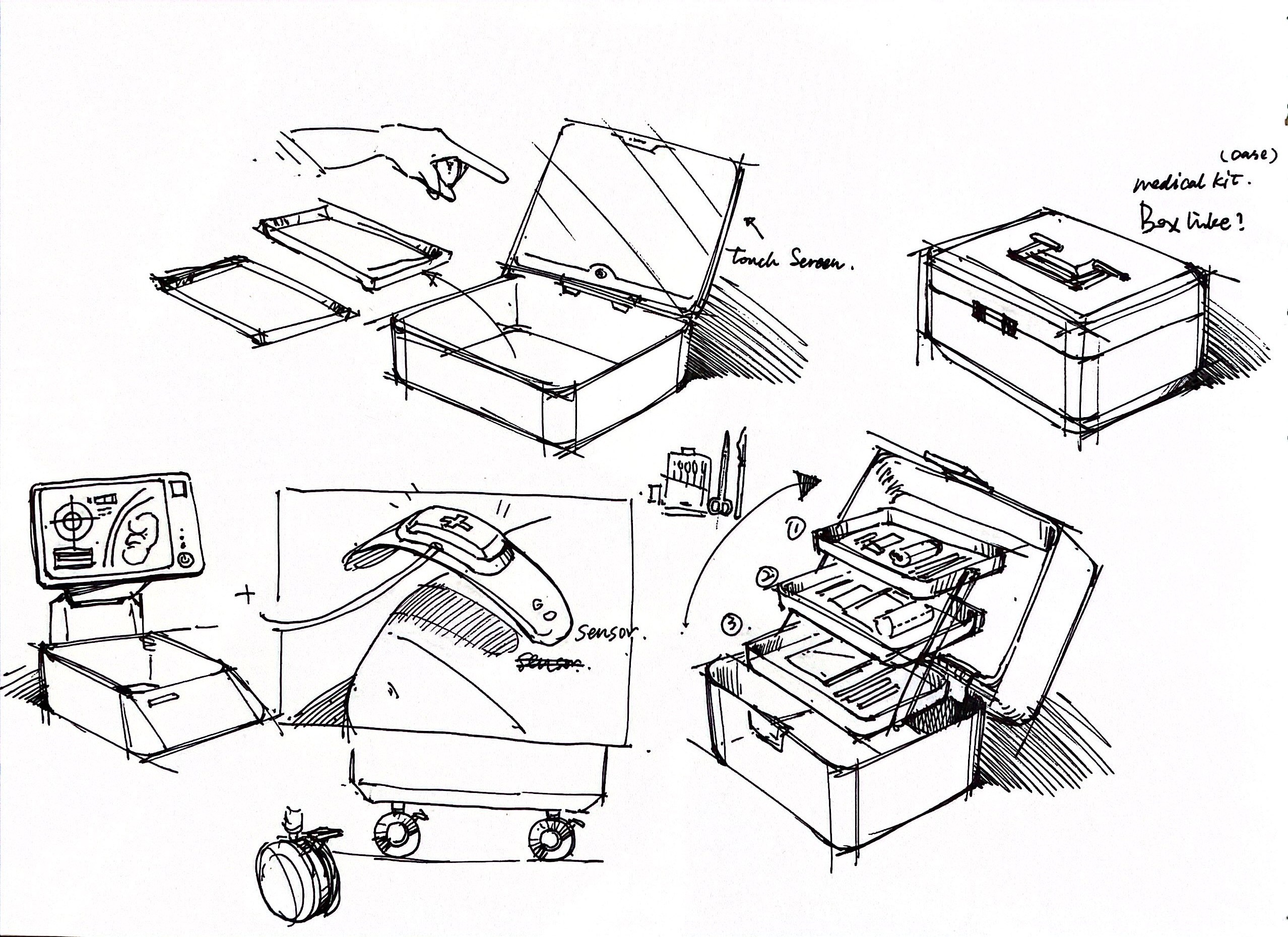
BirthAid Kit Design Process
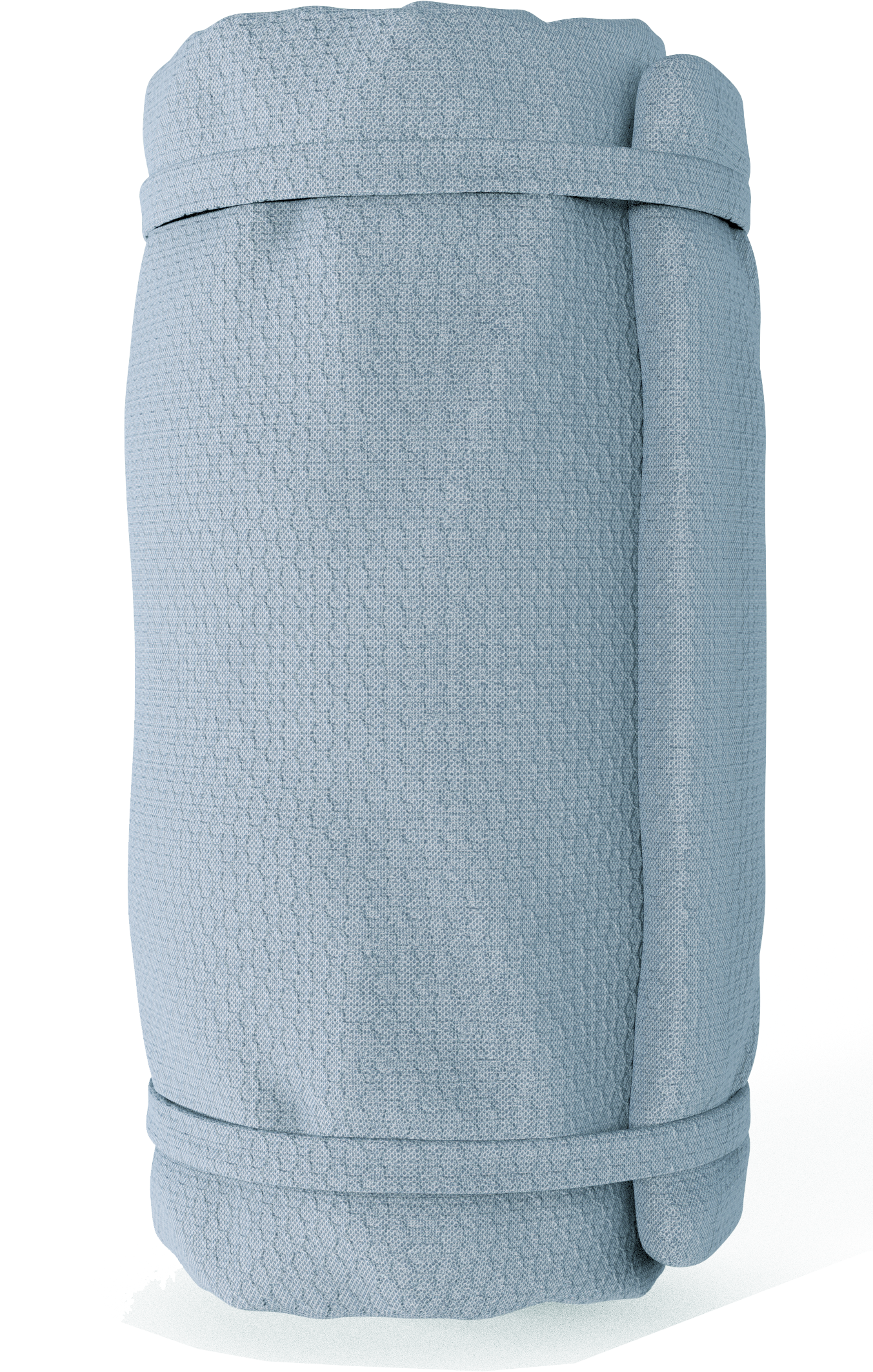
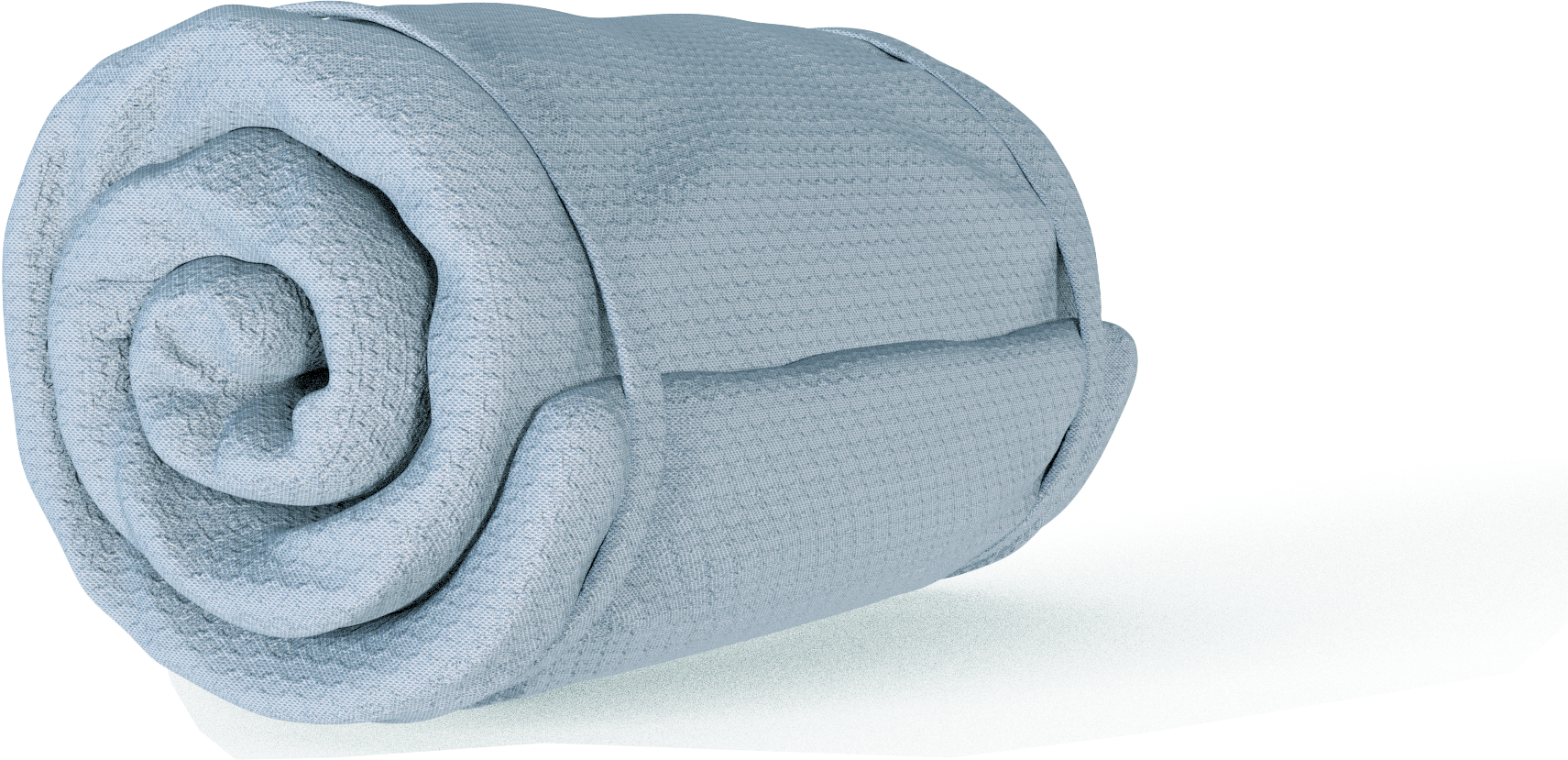
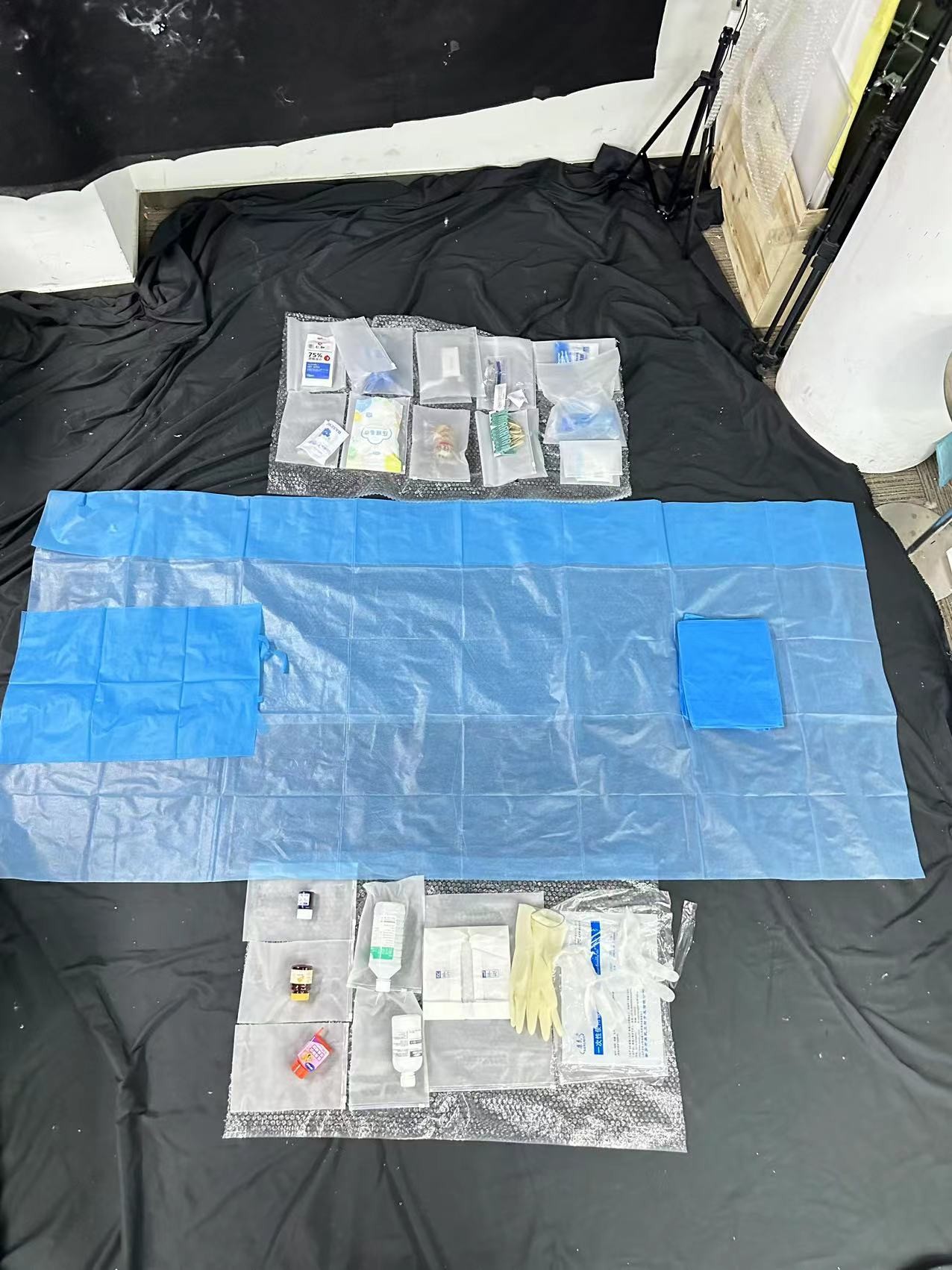
To address key pain points, we designed a first aid kit that unfolds into a large mat, creating a clean environment for childbirth. It includes essential medical supplies for safe delivery, as well as the XR glasses and sensor we developed for additional support.
Based on our research, essential medical supplies for childbirth will be included in this first aid kit. We will also experiment with the arrangement of these items to determine the most effective layout within the kit.
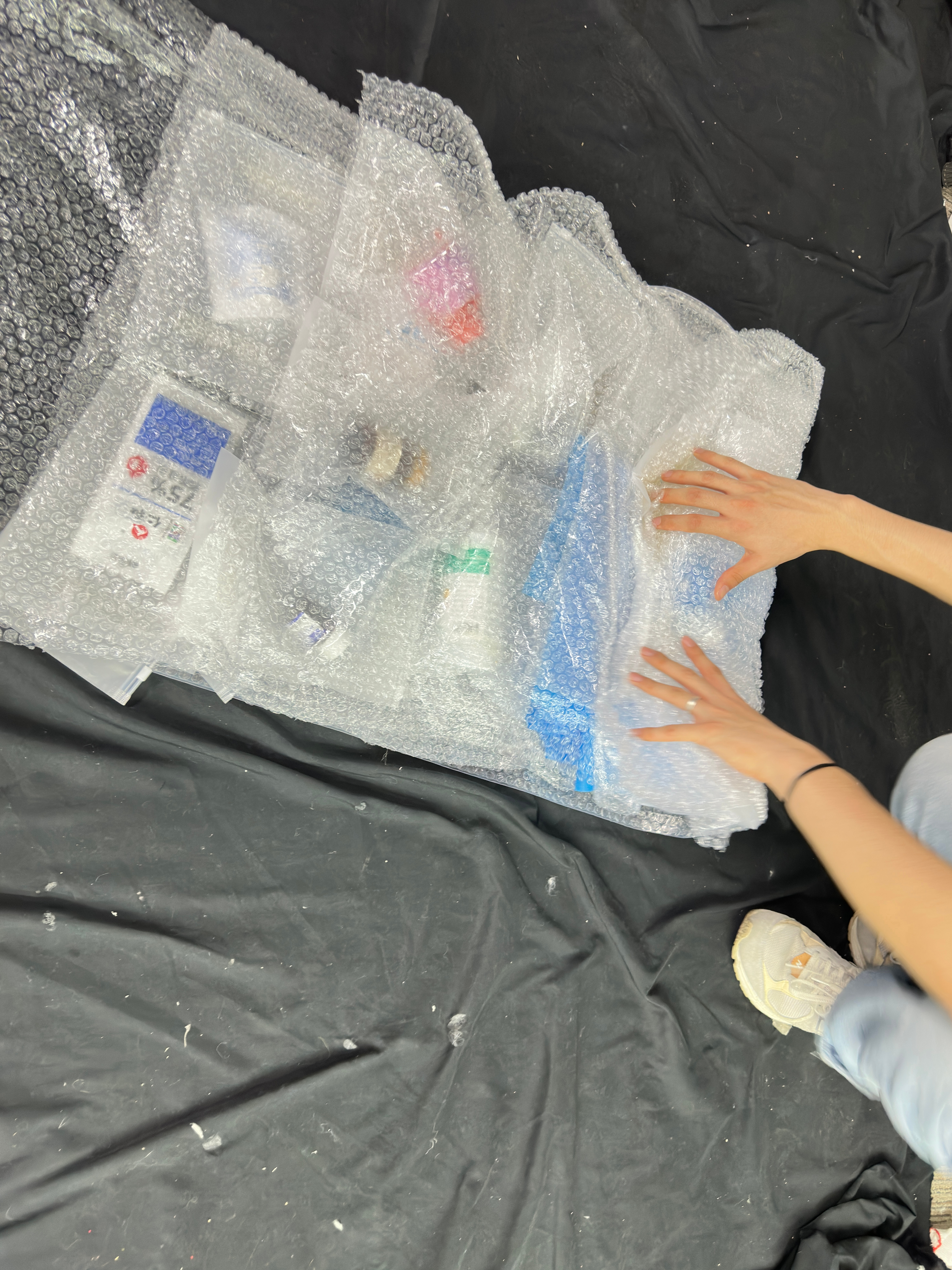
To make the first aid kit easy to carry and use, we designed it as a mat. This allows for quick setup and use, as it can be easily spread out and laid on. We tested this design with a model to ensure its effectiveness.
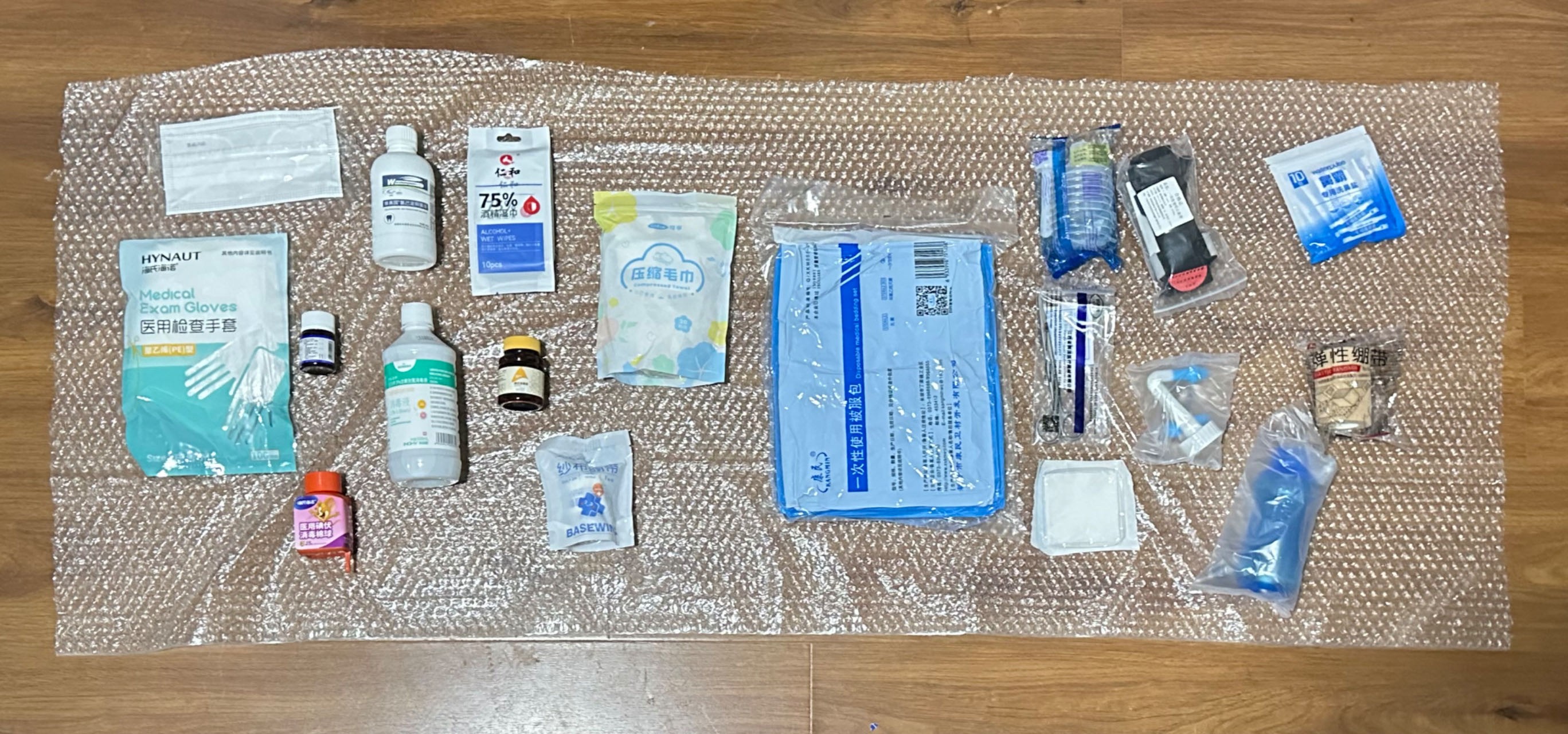
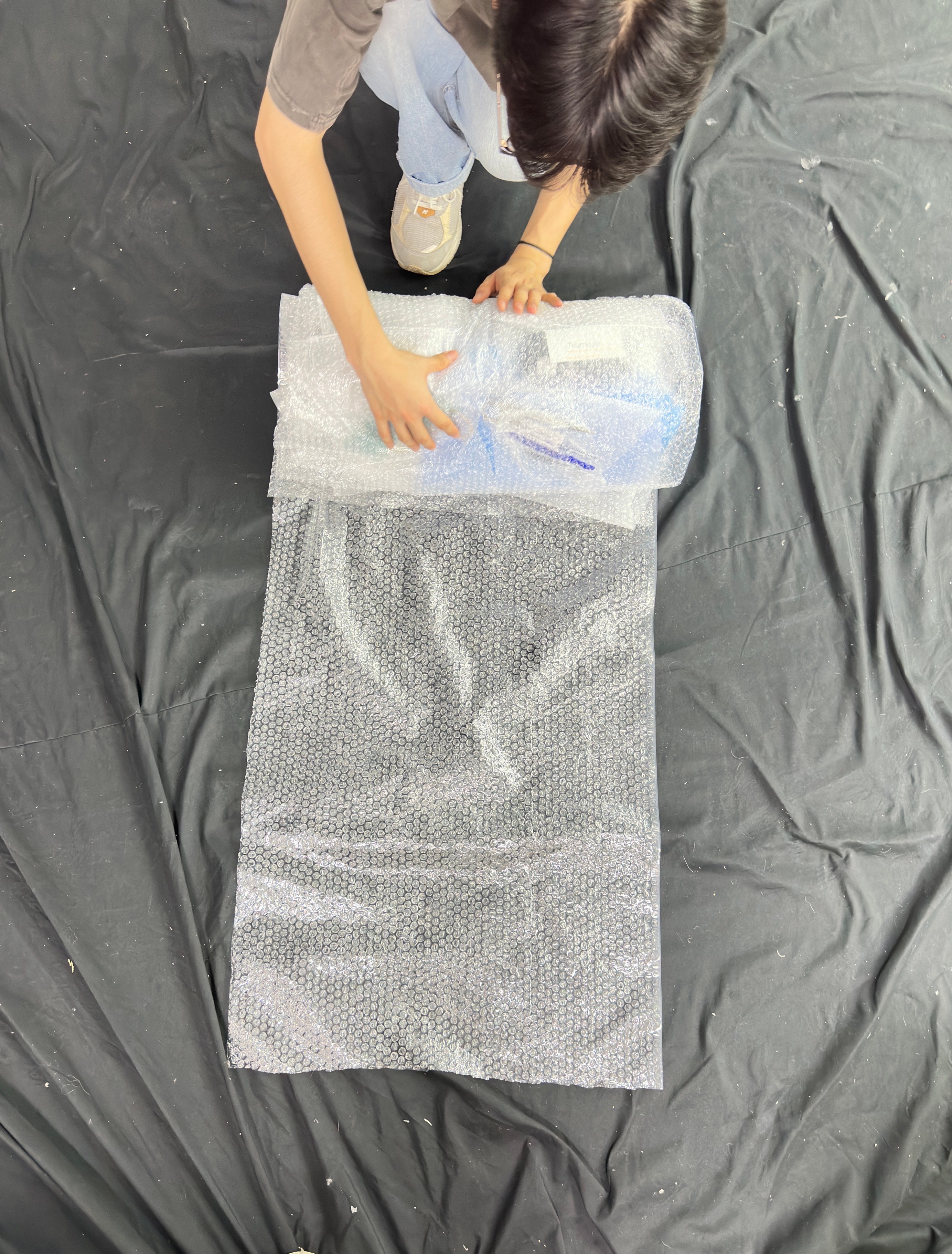
Prototype Test
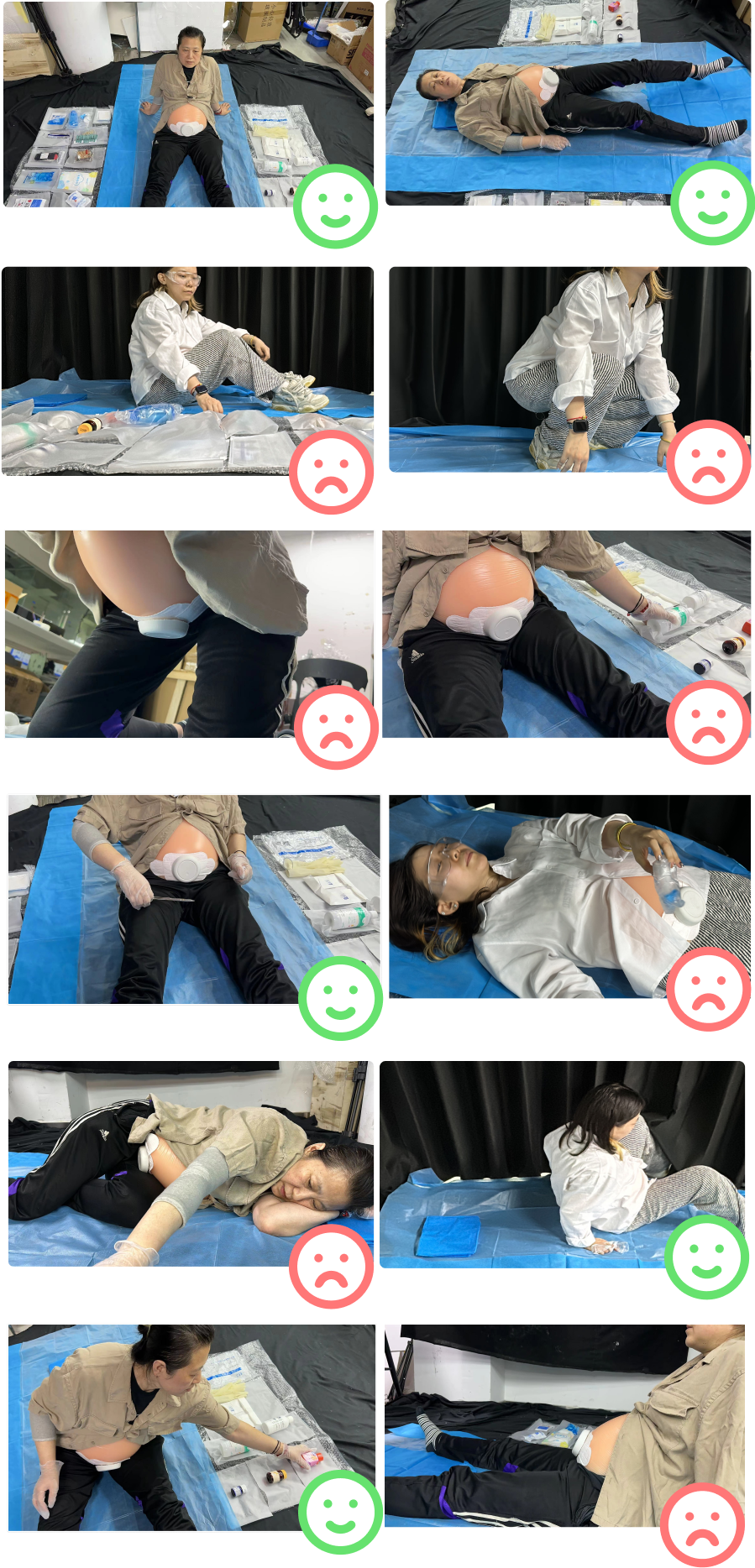
The internal layout design of the first aid kit 1 is trapezoid-shaped, with equipment areas on both the left and right sides. After user testing, it was found that the equipment area near the shoulder made it difficult to reach and grab the tools.
Ease of grab
Prototype 1
Ease of Open kit
Ease of find
Ease of grab
Ease of Open kit
Ease of find
prototype 2
The second first aid kit layout is book-style, with the OB pad on the left and medical tools on the right. Testing showed that tools in the lower area were hard to reach, making specific items difficult to find.
Ease of grab
Ease of Open kit
Ease of find
prototype 3
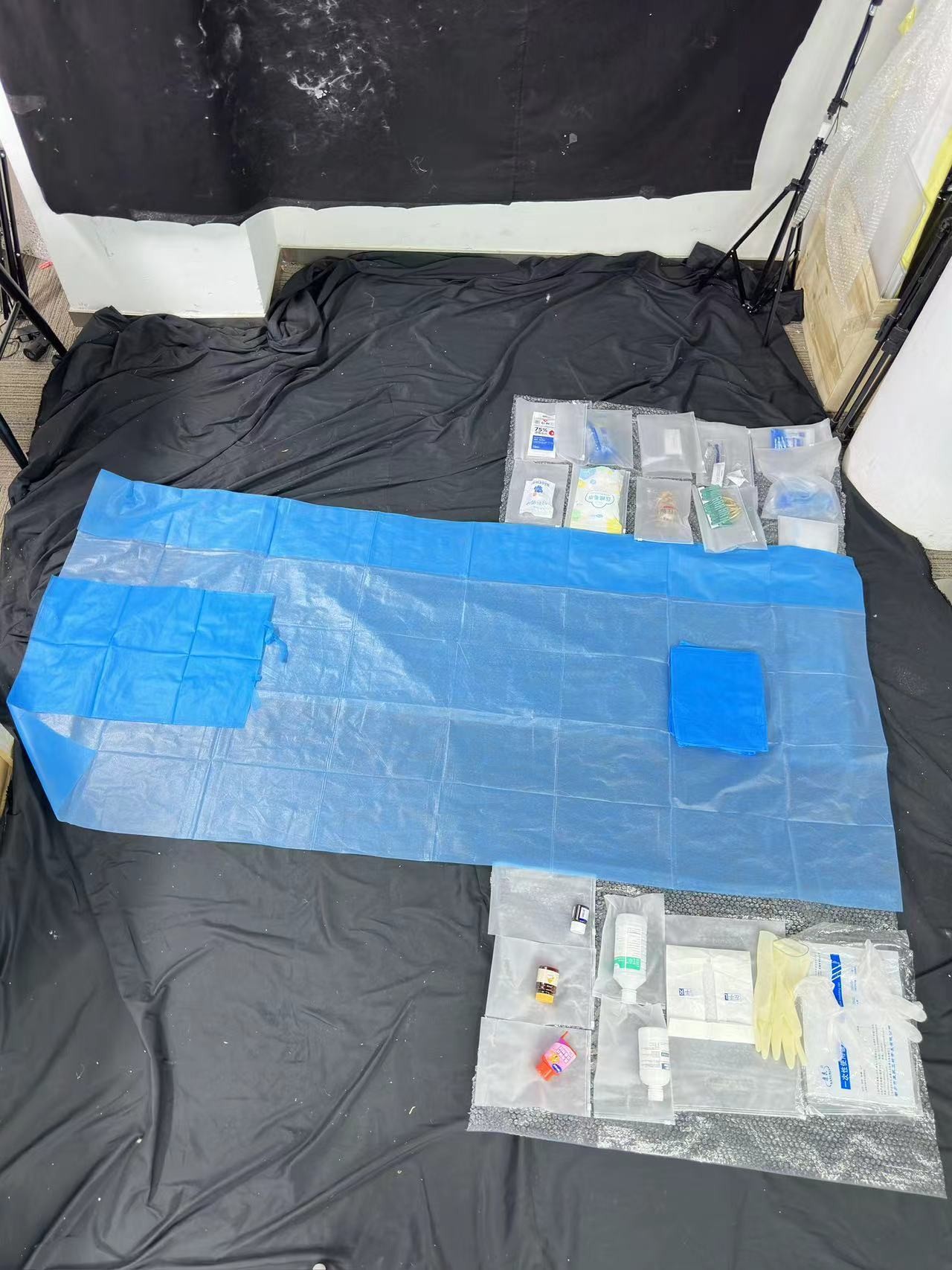
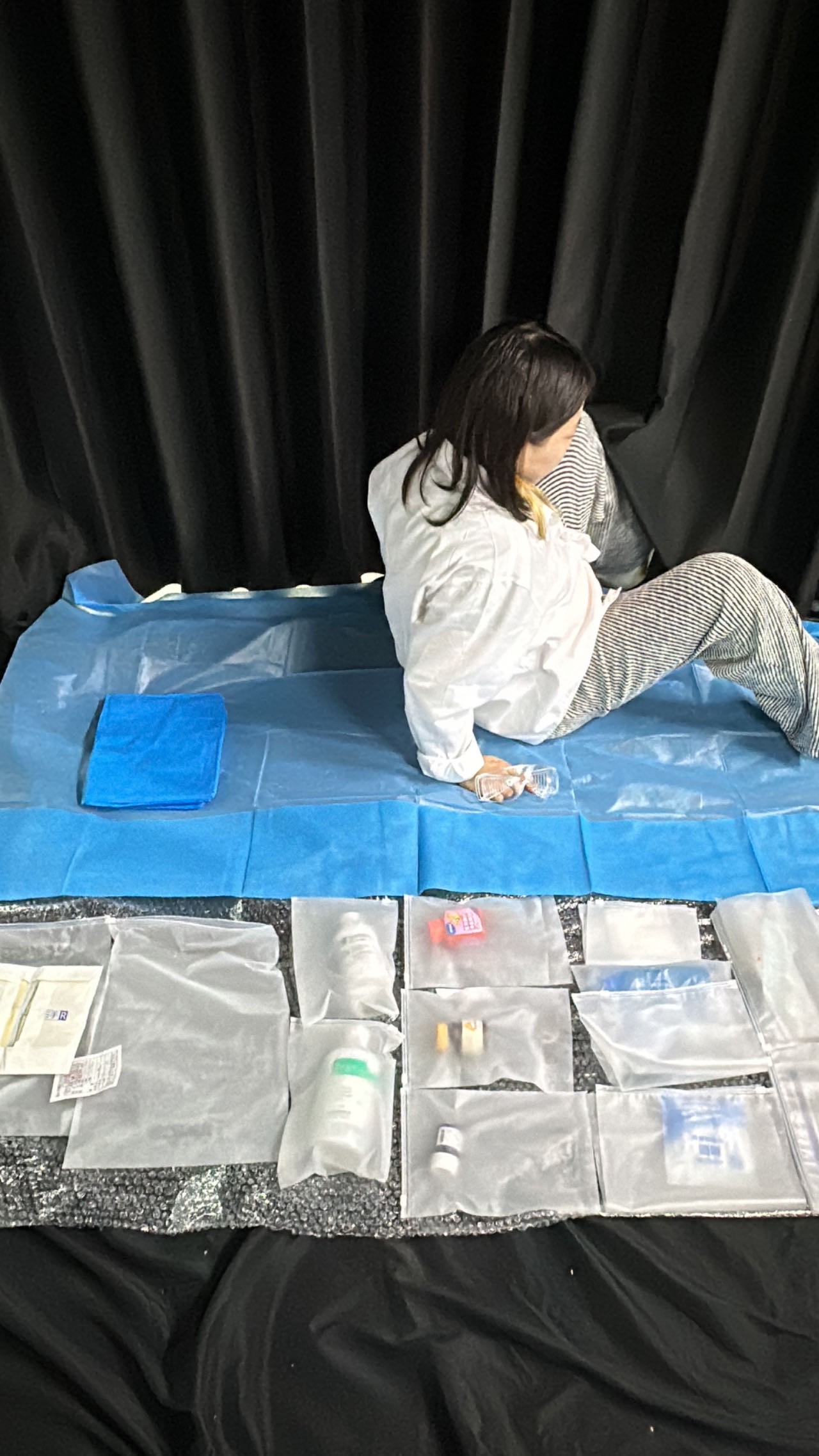
The internal layout design of the first aid kit 3 is in a cross shape, with medical tool areas on both the left and right sides in the middle of the mat. This design was developed from improvements on the previous layouts. After user testing, it was found to be convenient for both lying down and squatting childbirth positions.

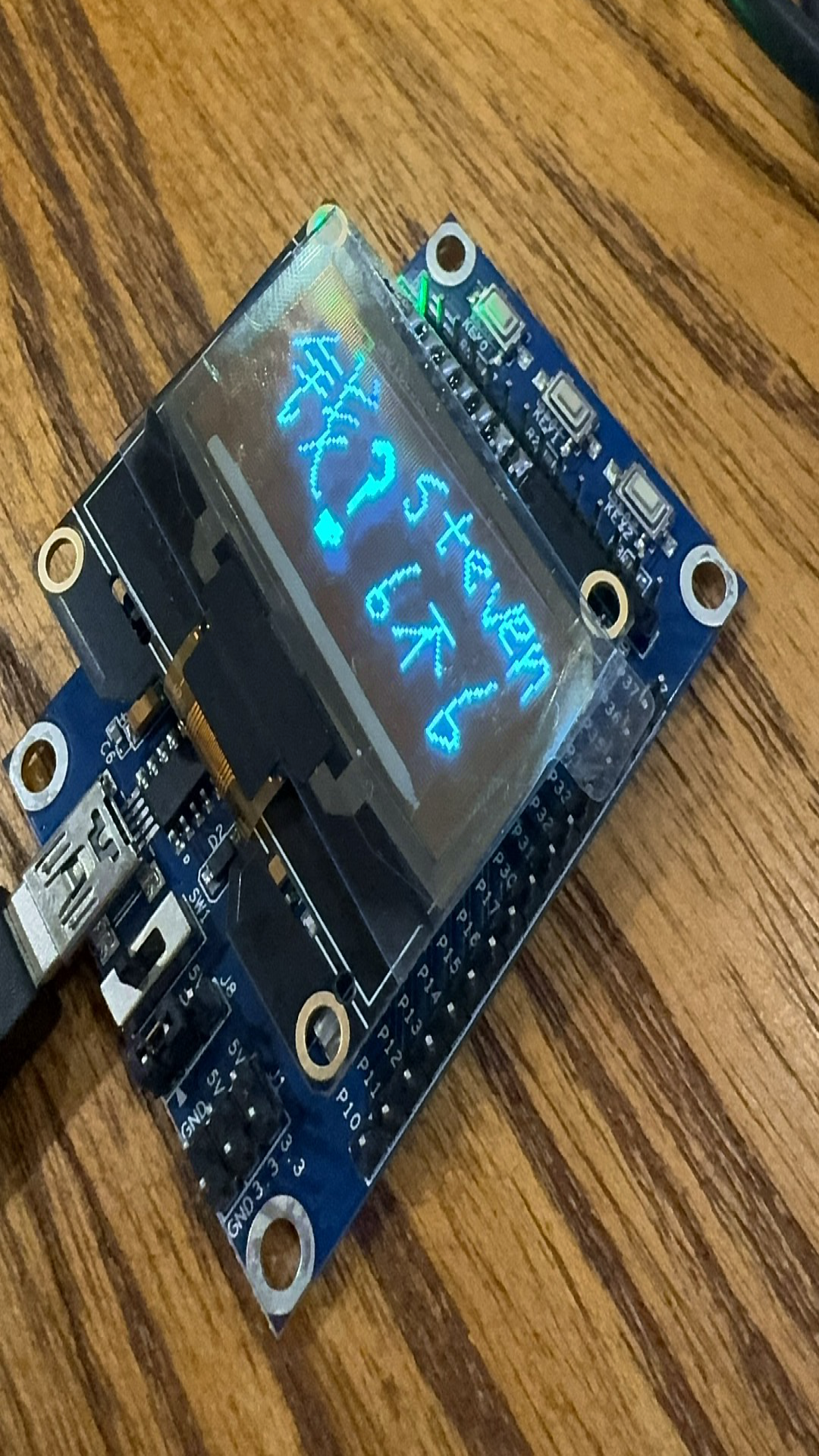
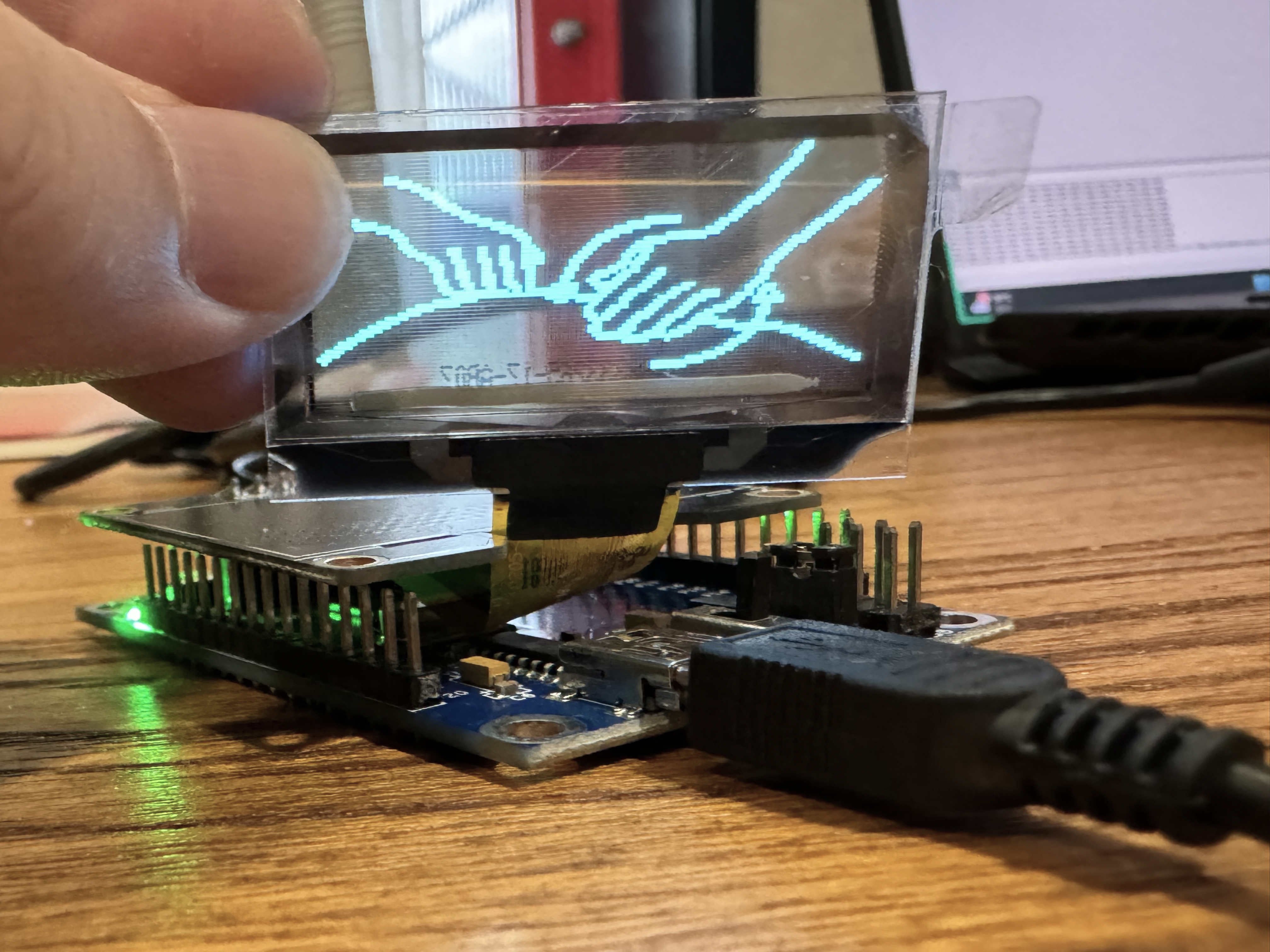
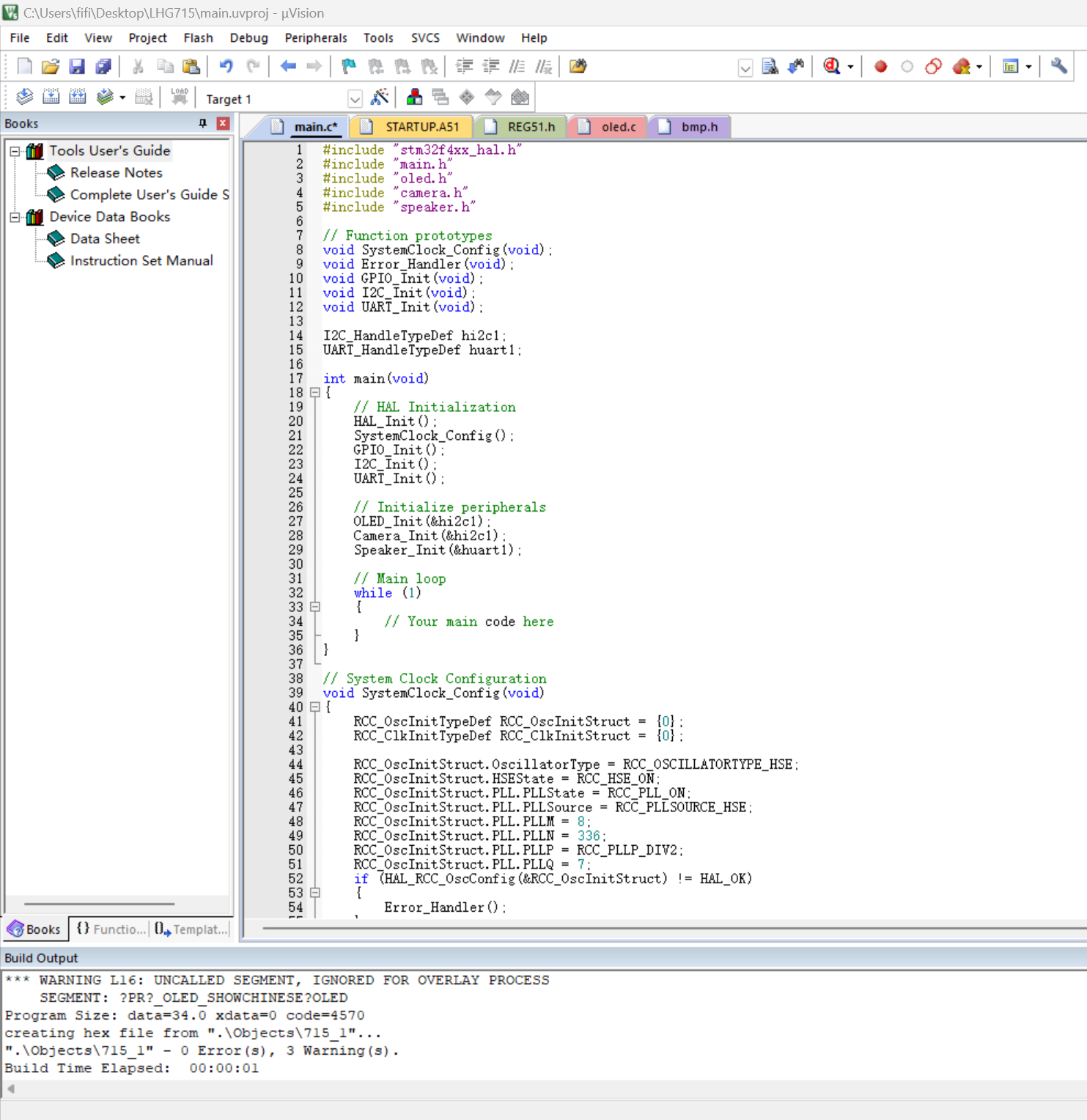
For the XR glasses product test, we connected a mainboard to a transparent OLED screen, programming and displaying icons for childbirth instructions. Using the Keil application, we uploaded the program to ensure proper screen functionality. This DIY setup provided a clear, intuitive display of instructions, enhancing usability and effectiveness.
XR Glass Testing process

Keil Code
Icon to led
Main problem
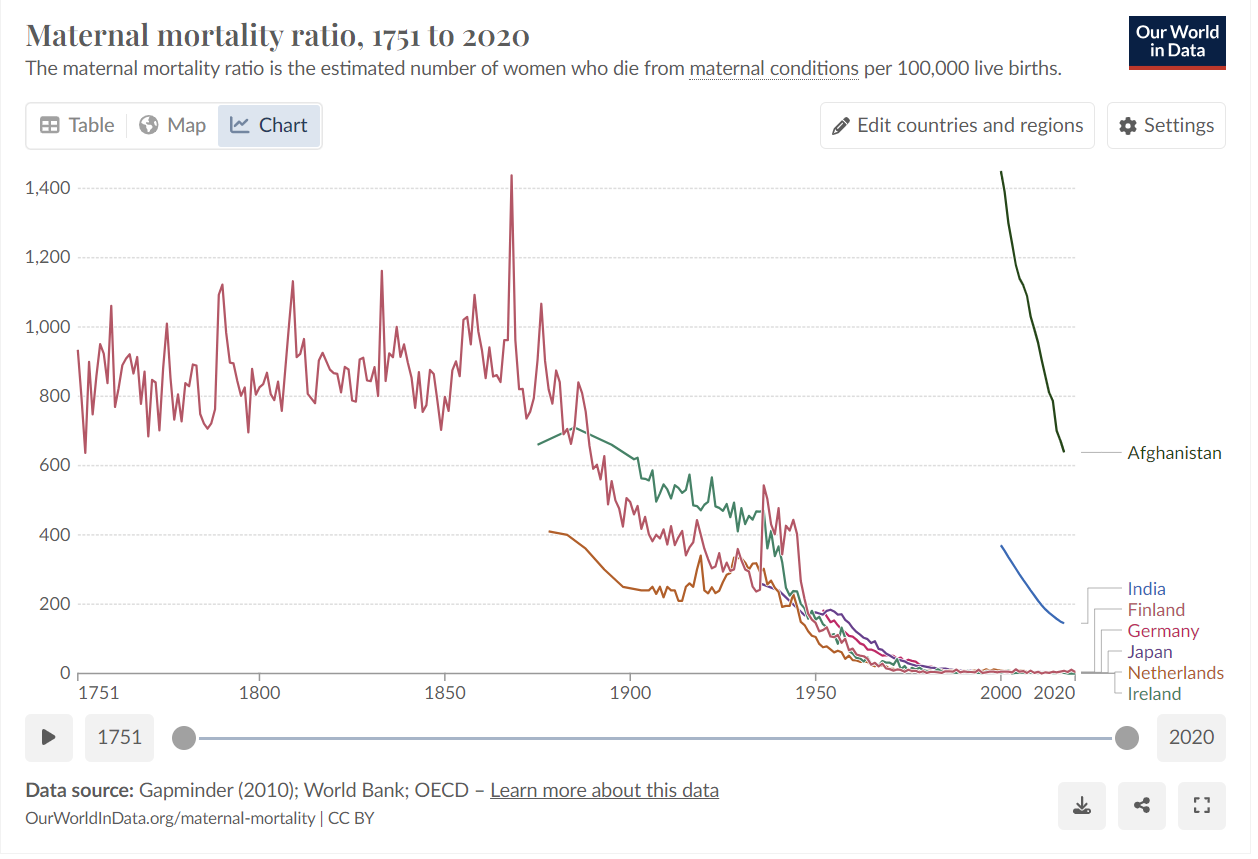
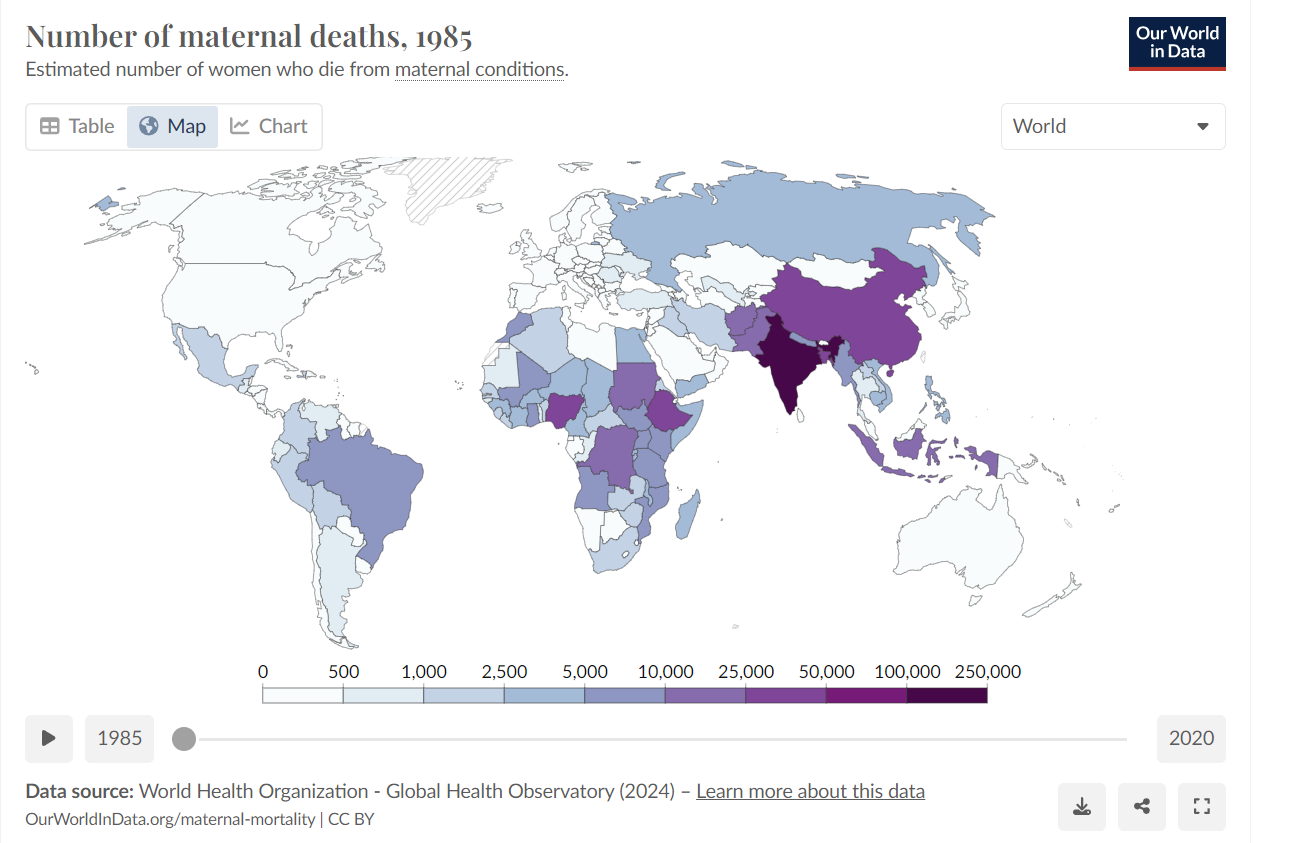
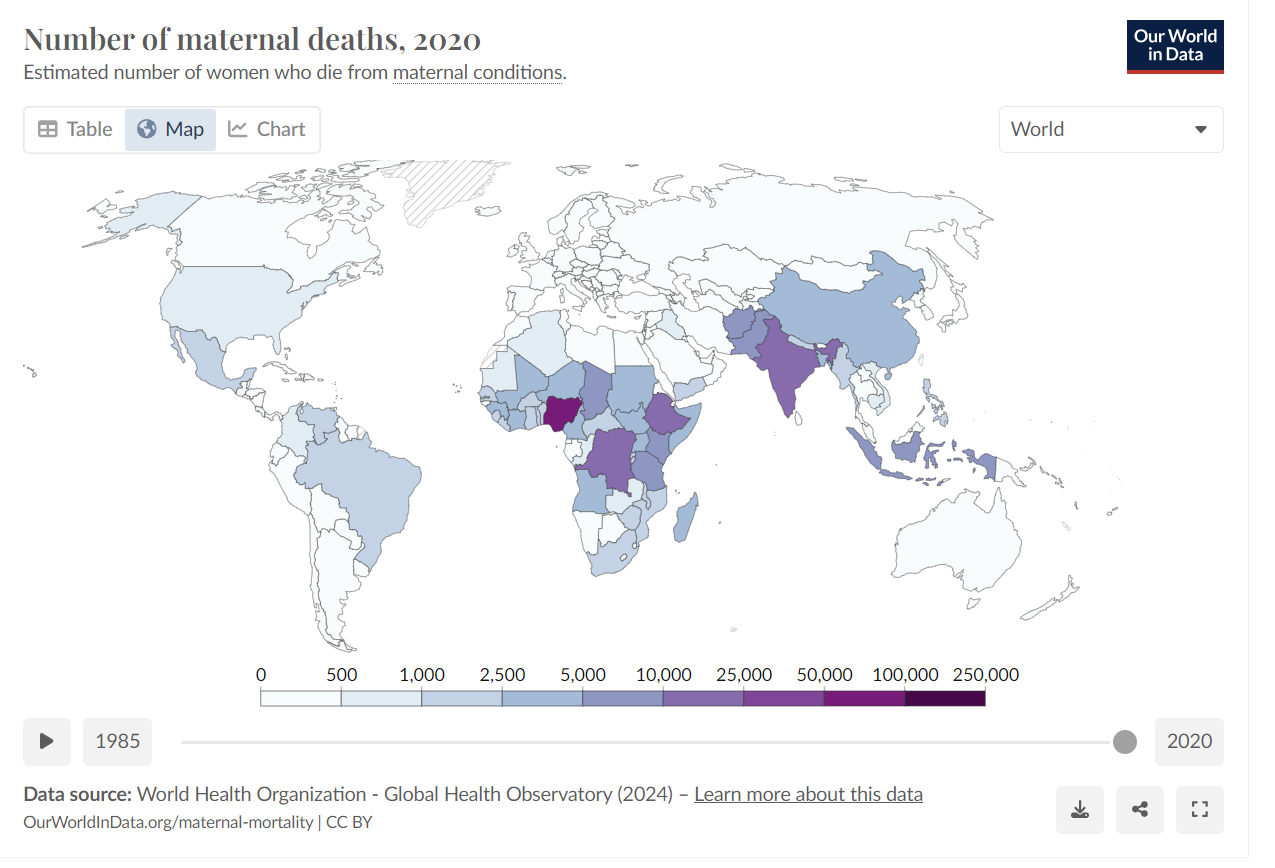
decreasing maternal mortality trend
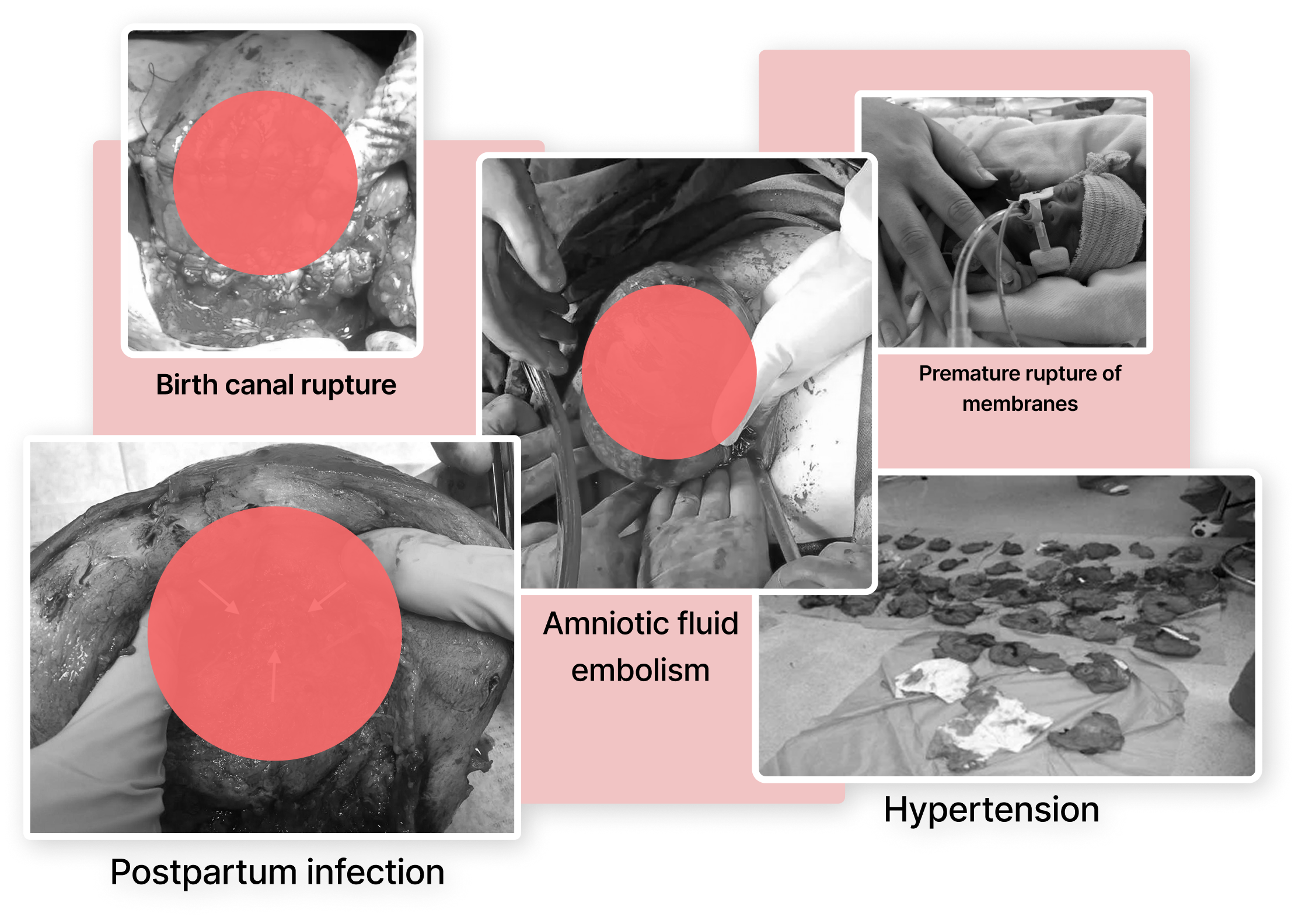
Our research found that there are five main causes of maternal death.
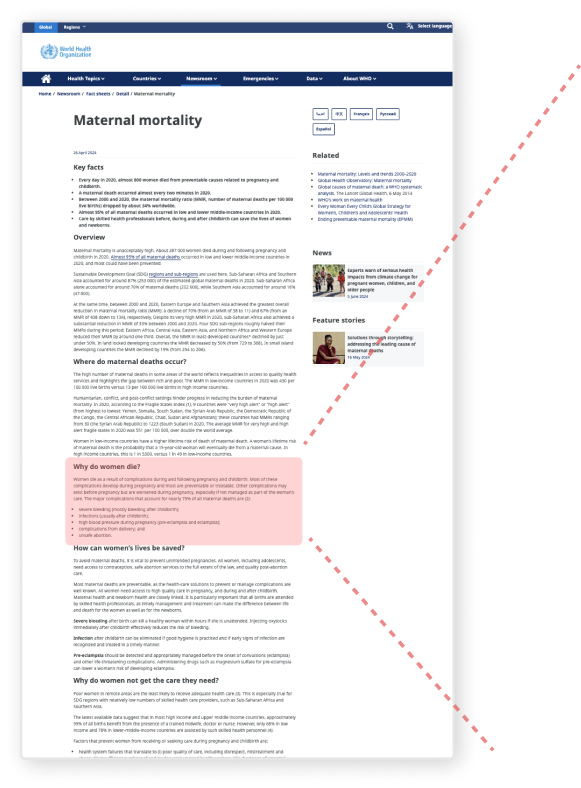

The data above indicates that childbirth has always been associated with high risk and high mortality rates for women. In particular, the mortality rate for unassisted home births, which occur due to the lack of medical facilities, is significantly higher. This situation poses a serious threat to the health and safety of both the mother and the baby.
The total mortality rate of childbirth is decreasing with the advancement of medical technology, but the mortality rate of spontaneous childbirth in the absence of medical technology is still very high (such as in Africa where the economic level is relatively backward).
Target Users
We analyzed news and articles to identify groups more likely to choose unassisted childbirth due to various challenges. These include marginalized communities, individuals with legal issues (such as those imprisoned or wanted), substance abusers, young women, and people in remote rural areas with limited medical access. Other factors include special circumstances, such as emergencies or specific societal periods, where hospital care may not be an option.
Quantitative Research
The maternal mortality rate remains alarming!


pregnant women die worldwide every year.
287,000
1
98

times higher than the regional average, the infant mortality rate for unassisted childbirth is significantly elevated.
97
In 2020, an estimated 287,000 women worldwide died during pregnancy and childbirth, equivalent to one woman dying every two minutes due to related complications. Every day, 800 women die during childbirth.
A formal study on unassisted childbirth mortality found that the infant mortality rate is 2.7 times higher than the regional average, and the maternal mortality rate is 97 times higher than the regional average.
Interview
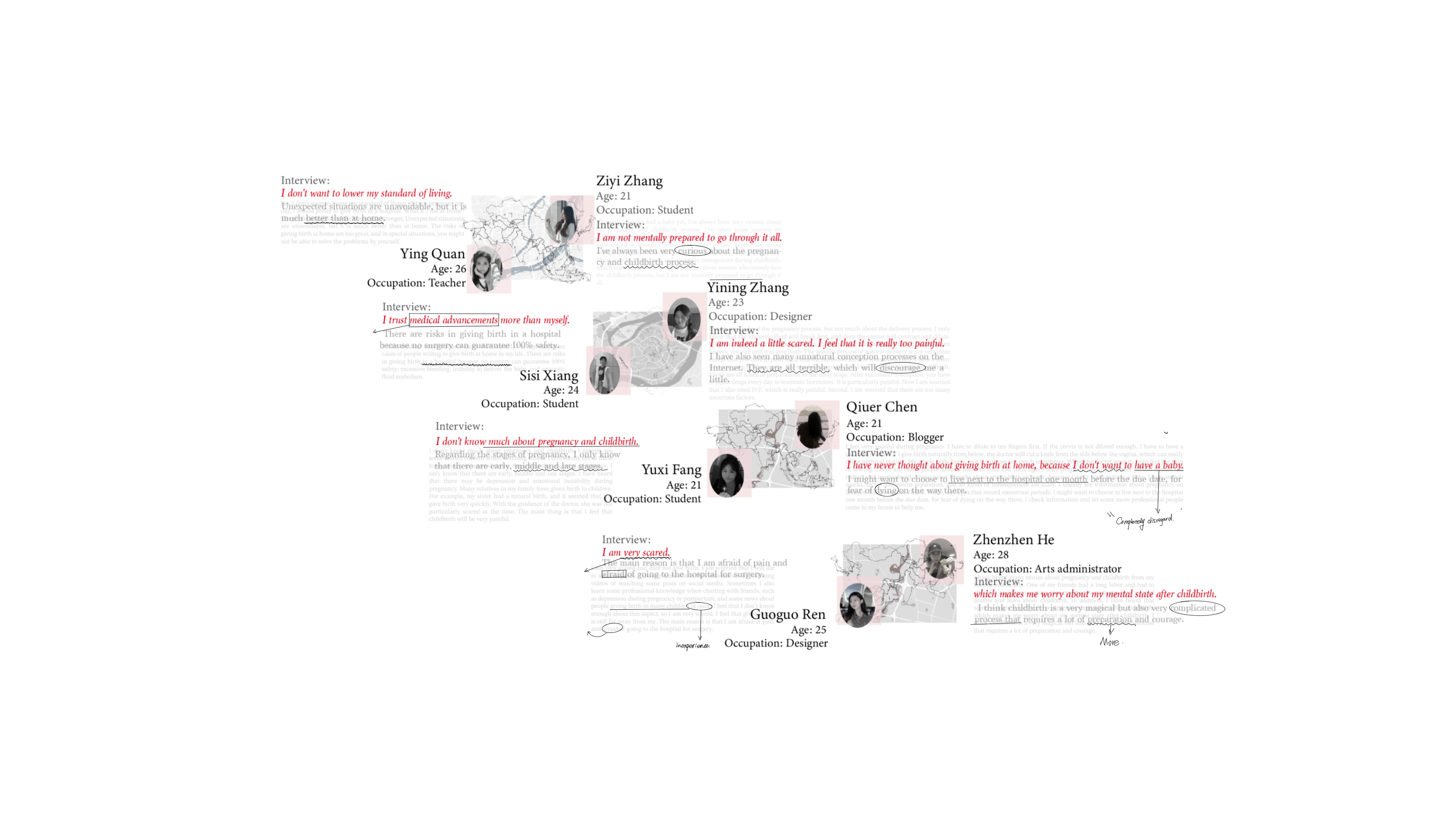
We interviewed three groups of people: doctors, people who hadn’t given birth, and people who had given birth
Interview summary:
Doctors highlighted key concerns: the importance of hygiene, psychological support, and emergency response. While real-time guidance via phone or video remains limited, it can still aid autonomous childbirth in emergencies.
Most respondents expressed a strong preference for hospital births, citing high risks associated with home delivery, especially in emergencies. Despite certain hospital risks, such as excessive bleeding or fetal issues, they trust the safety of medical facilities due to professionalism and advanced technology.
Qualitative Research
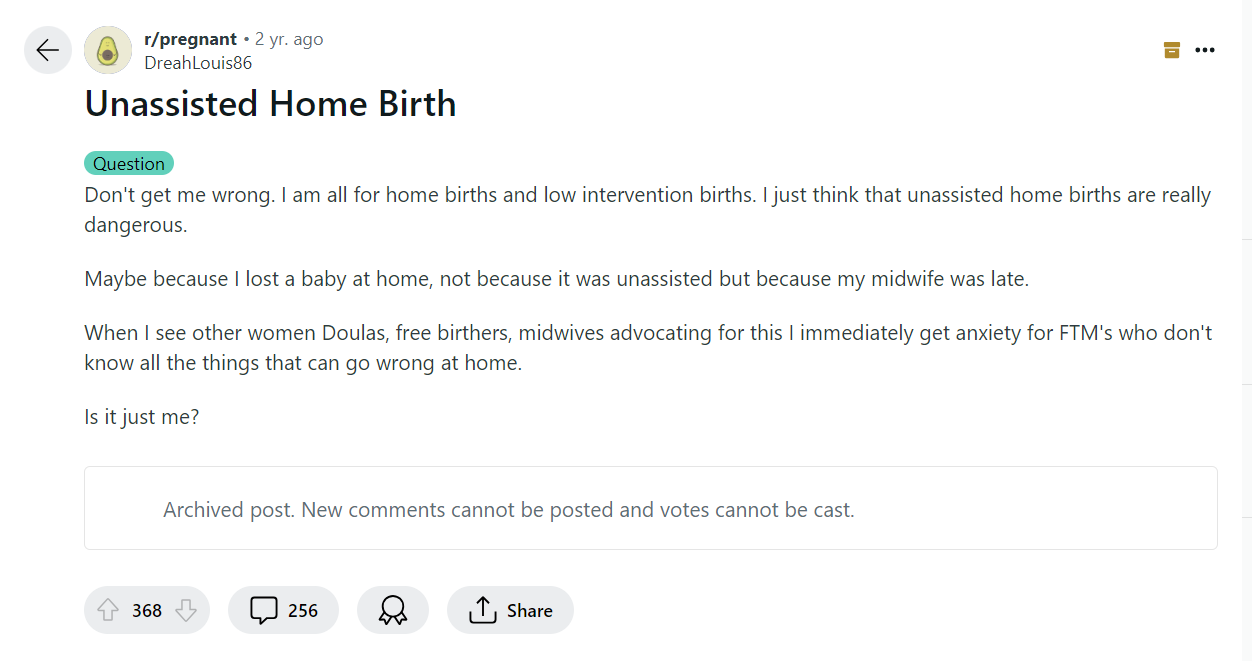
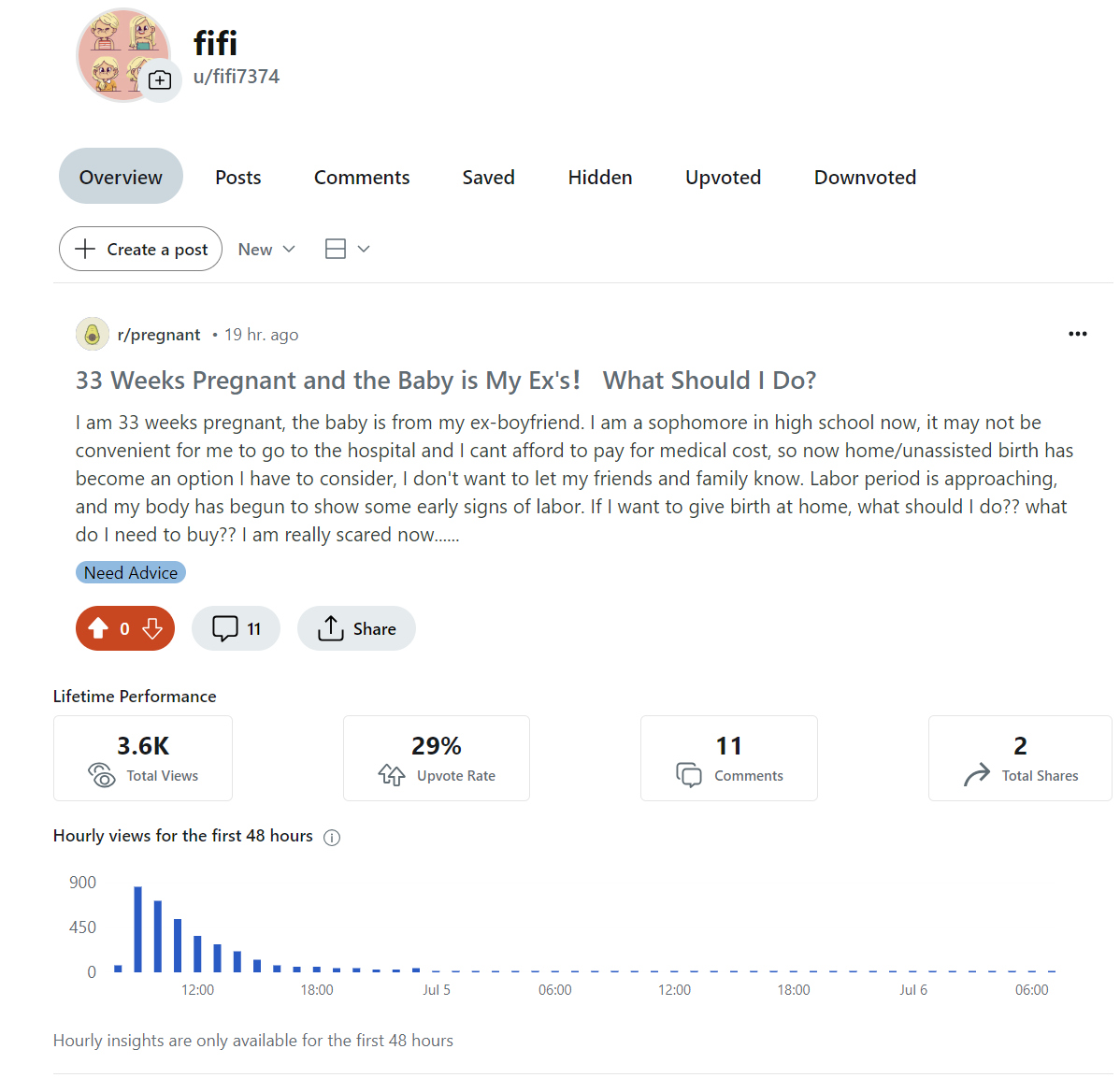
We conducted a posting experiment on (Reddit), a relatively large social platform in Europe and the United States:
Survey Summary: The comments on foreign websites are more diverse, and the proportion of people who support home birth is higher than that in China. However, in the minds of most people, home birth is still very dangerous, and the opposition attitude is still the mainstream. The support is also based on sufficient preparation. The comments on domestic websites are more one-sided, and 90% of the people strongly oppose home birth, believing that the risk is too great. In short, most people are opposed to the topic of home birth.









Research Process

Design Process